Bubble Foil Insulation: How It Works & Where to Use It
Bubble foil insulation is a roll of plastic air bubbles faced with reflective foil. It's light, clean to handle and easy to staple up, which is why it shows up in metal buildings, garages, sheds, attics and RVs. Bubble foil works mainly by reflecting radiant heat, so it only performs well when the foil faces an air space.
This guide covers how bubble foil insulation works, single vs double bubble and double reflective rolls, where it helps and where it doesn't, and how to install it so it actually does its job.
New to reflective products? Start with our guide to how a radiant barrier works.
What is bubble foil insulation?
Bubble foil insulation, also called reflective bubble insulation or bubble wrap insulation, is made of one or two layers of plastic bubbles with a reflective foil facing bonded to one or both sides.
The foil reflects radiant heat, the kind you feel from the sun on a roof or from a hot metal wall
The bubbles trap small pockets of air, which slows heat moving through the sheet and keeps the foil layers apart
The plastic blocks moisture vapor, so most bubble foil also works as a vapor barrier
It comes in rolls, cuts with a utility knife and staples or tapes into place.
How bubble foil insulation works
Heat moves three ways: conduction (through materials that touch), convection (through moving air) and radiation (as infrared energy across a space). Bulk insulation such as fiberglass mainly slows conduction and convection. Bubble foil is different. Its main strength is reflecting radiant heat.
That's why the air space matters. Foil reflects radiant heat across an open gap. If the foil is pressed flat against a hot surface with no gap, heat simply conducts through it and most of the reflective benefit is lost.
Single bubble, double bubble and double reflective
Type | Build | Typical use |
|---|---|---|
Single bubble, single foil | One bubble layer, foil on one side | Light-duty jobs where one side faces an air space |
Single bubble, double reflective | One bubble layer, foil on both sides | Walls and ceilings where either side may face the gap |
Double bubble, double reflective | Two bubble layers, foil on both sides | Metal buildings, pole barns and garages that need a thicker sheet |
Foam core reflective | A foam layer faced with foil | Where a flatter, firmer sheet is easier to fit |
Double reflective insulation simply means foil on both faces. Double bubble means two layers of bubbles. Many rolls sold for metal buildings combine both.
Where bubble foil insulation helps most
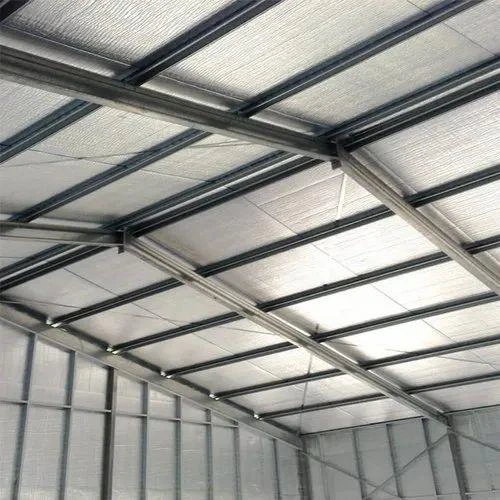
Metal buildings, pole barns and sheds. Metal roofs and walls radiate a lot of heat in summer, and bubble foil also helps cut condensation on the inside of the metal.
Under roof decks and in attics, where it works much like a radiant barrier
Garage and workshop walls, between or across studs with an air gap in front
RVs, vans and campers, where light weight matters
Wrapping pipes, ducts and tanks, following the equipment maker's guidance
Where it doesn't replace bulk insulation
Bubble foil is not a like-for-like swap for fiberglass, mineral wool or spray foam in a wall or attic floor. In cold weather, most of the heat a home loses moves by conduction and air leaks, which bulk insulation and air sealing handle better.
In hot, sunny climates, bubble foil and radiant barriers do their best work by cutting radiant heat gain
In cold climates, use bubble foil alongside bulk insulation, not instead of it
Always check local building code for the insulation levels your project needs
For the costs of reflective products versus other options, see our radiant barrier cost guide.
How to install bubble foil insulation
Plan the air space. Decide which face of the roll will face an open gap. For walls, furring strips or stud spacing can create the gap.
Measure and cut the roll to length with a sharp utility knife.
Fasten it with staples, nails or reflective tape as the product directs, with the foil facing the air space.
Overlap the edges by at least 6 inches, or butt them tightly, depending on the product instructions.
Seal every seam with reflective foil tape so there are no gaps for air or moisture.
Keep the foil clean. Dust and dirt on the foil reduce how well it reflects heat.
Keep it away from heat sources and follow the product's fire and code guidance, especially near lights, flues and heaters.
Common mistakes
No air space. Foil pressed against the roof or wall loses most of its reflective benefit.
Expecting it to replace bulk insulation in a cold-climate home
Leaving seams open, which lets air and moisture through
Trapping moisture. Bubble foil blocks vapor, so think about where condensation will go before you install it on the warm side of a wall.
Facing the foil into insulation. Foil touching fiberglass has no gap to reflect across.
BCP reflective insulation options
The BCP radiant barrier range includes two foam-based reflective products alongside its foil radiant barriers. BCP's radiant barrier line is designed to reflect up to 97% of radiant heat and installs with staples, tape or mechanical fasteners.
Product | Core | Roll size | Best use (per BCP) |
|---|---|---|---|
BCP RadiantSafe Foam Bubble Barrier | Bubble design | 4' x 40' | Enhanced thermal insulation; new builds and retrofits |
BCP RadiantSafe Foam Barrier | Foam based | 4' x 125' | General insulation where extra thermal resistance is needed |
If your project is mainly about blocking attic heat under a roof deck, BCP's foil radiant barriers come in breathable and solid versions in 4' and 8' widths. Our team can help you choose between foil and foam bubble products for your building.
Frequently asked questions
Does bubble foil insulation really work?
Yes, for the right job. It works well at reflecting radiant heat when the foil faces an air space, such as under a metal roof or in a hot attic. It doesn't do the same job as thick bulk insulation in a cold-climate wall.
What is the difference between single and double bubble foil insulation?
Single bubble has one layer of air bubbles and double bubble has two. Double bubble is thicker and is often chosen for metal buildings and pole barns.
Which side of bubble foil insulation faces out?
The foil side should face the air space. On double reflective rolls, both sides are foil, so either side can face the gap.
Is bubble foil insulation a vapor barrier?
Most bubble foil is, because the plastic and foil block moisture vapor. That's useful against condensation in metal buildings, but plan where moisture will go before you put a vapor barrier in a wall.
Can I use bubble foil insulation with regular insulation?
Yes. Using bubble foil to reflect radiant heat alongside bulk insulation is a common approach. Leave an air space on the foil side and follow your local building code.
Get the right reflective insulation for your project
Before you order, have ready:
The area you need to cover, in square feet
Where it's going (roof deck, attic, walls, metal building)
Your climate and whether heat or cold is the bigger problem
Whether the space needs to stay vapor-open
Request a reflective insulation quote
Tell us about your building and our team will help you pick the right product and work out how many rolls you need. Or call 877-540-5678.
