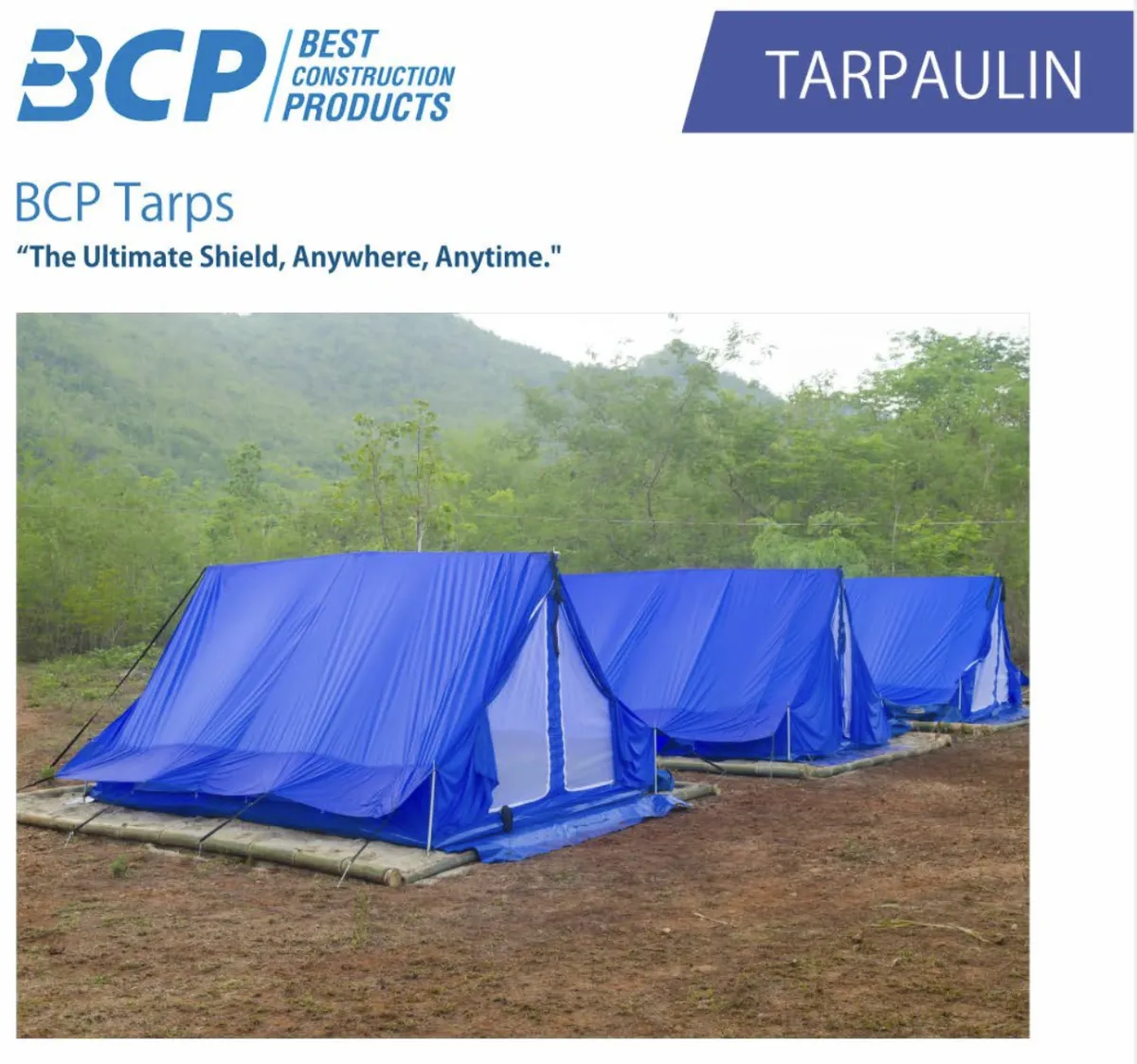
Heavy Duty Tarps: How to Choose the Right One
Heavy Duty Tarps: How to Choose the Right Tarpaulin for Your Project
Whether you are protecting building materials on a construction site, covering a flatbed load for transport, or shielding equipment from weather on a farm, a good tarp is one of the most useful tools you can have. But not all tarps are built the same.
A lightweight tarp from the hardware store might work for covering your patio furniture over the weekend. But for real job site conditions, heavy hauling, or long term outdoor storage, you need a heavy duty tarpaulin that can take a beating and keep performing.
In this guide, we will explain what makes a tarp "heavy duty," the different materials and types available, how to pick the right one for your project, and what to look for so you do not waste money on a tarp that fails when you need it most.
What Is a Tarpaulin?
A tarpaulin (or tarp for short) is a large sheet of durable, flexible material used to cover and protect objects from weather, dust, UV exposure, and debris. The word comes from the combination of "tar" and "pall," dating back to when sailors coated fabric with tar to make it waterproof for protecting cargo at sea.
Today, tarps are made from a range of modern materials including polyethylene, vinyl, canvas, and polypropylene. They come in different thicknesses, weights, and sizes, and are used in nearly every industry from construction and transportation to agriculture, landscaping, and disaster recovery.
Heavy duty tarps are specifically designed for demanding conditions. They are thicker, stronger, and more resistant to tearing, UV damage, and water than standard tarps. They are built to handle wind, heavy rain, rough handling, and extended outdoor exposure without falling apart.
Tarpaulin Materials: What Are Tarps Made Of?
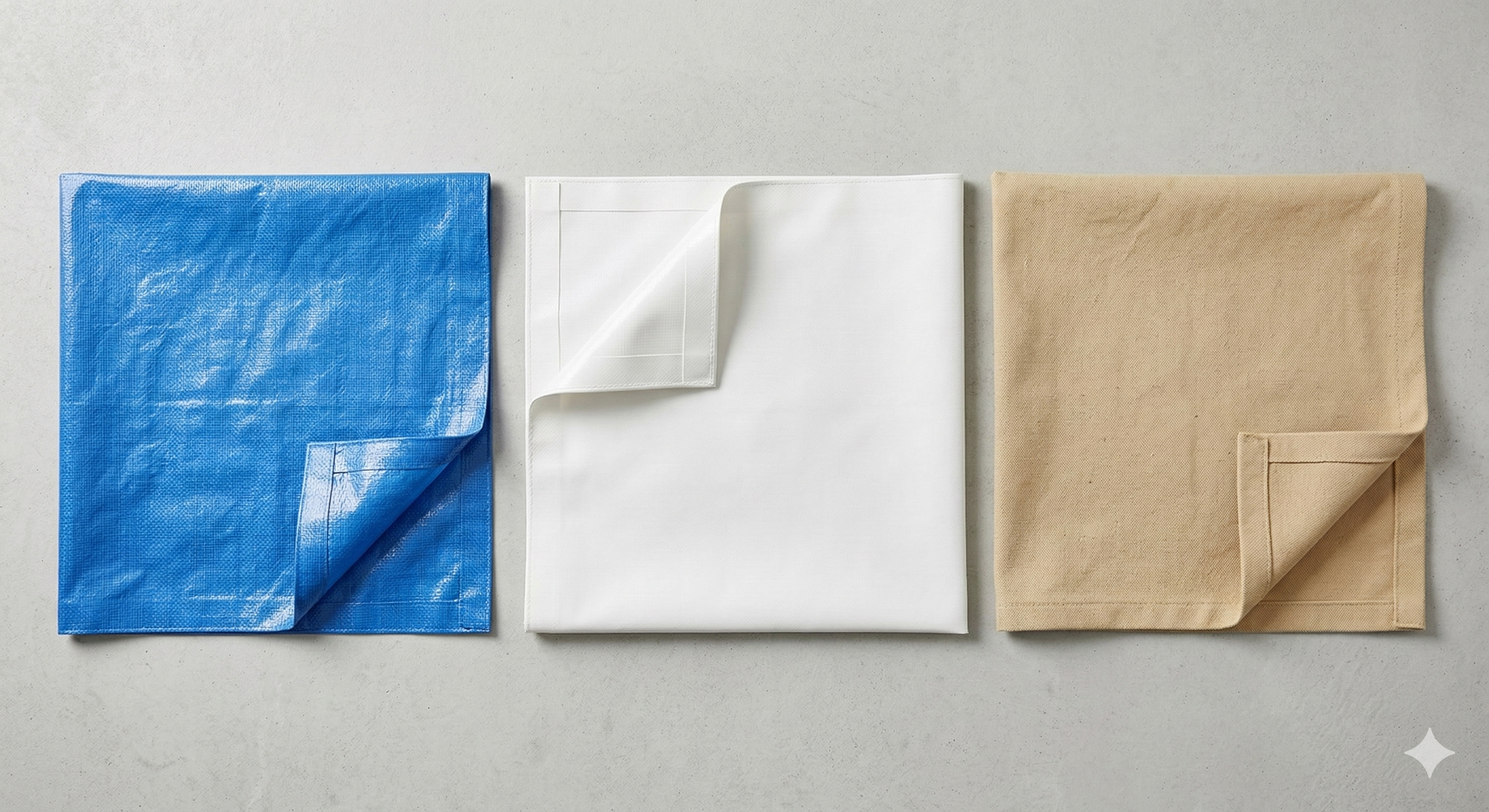
The material a tarp is made from determines its strength, weight, water resistance, and lifespan. Here are the most common types.
Polyethylene (Poly Tarps)
Poly tarps are the most widely used and affordable option. They are made from woven polyethylene coated with a polyethylene laminate that makes them waterproof and resistant to mildew and rot.
Standard poly tarps (the common blue tarps you see everywhere) are fine for light use but are not truly heavy duty. Heavy duty poly tarps have a higher denier rating, tighter weave, and thicker coating that gives them much better tear resistance and UV durability.
Poly tarps work well for general construction site coverage, roof leak protection, ground covers, and short to medium term outdoor storage.
Vinyl (PVC) Tarps
Vinyl tarps are the strongest and most durable option available. They are made from polyester fabric coated with polyvinyl chloride (PVC), which gives them superior waterproofing, chemical resistance, and tear strength.
Heavy duty vinyl tarps are commonly used in trucking, industrial applications, and long term outdoor coverage where the tarp will face constant UV exposure, heavy rain, and physical stress. They cost more than poly tarps but last significantly longer in harsh conditions.
Canvas Tarps
Canvas tarps are made from cotton or cotton blend fabric. They are breathable, which makes them a good choice for covering items that need air circulation to prevent moisture buildup and mold. Canvas tarps are water resistant when treated but not fully waterproof like poly or vinyl.
They are popular for painting projects, equipment covers, and situations where you need a soft, non-scratch surface. Canvas tarps are heavier than poly and less durable in extreme weather, but they are a solid choice for specific applications where breathability matters.
Mesh Tarps
Mesh tarps are made from woven polyethylene or vinyl with an open weave that allows air and some light to pass through. They are not waterproof but provide shade, wind reduction, and debris containment.
Mesh tarps are commonly used as shade screens, privacy fences, and debris netting on construction scaffolding. They reduce wind load while still containing dust and small debris.
Tarpaulin Uses by Industry
Heavy duty tarps serve different purposes depending on the industry.
Construction. Tarps protect building materials, cover exposed structures during weather delays, and contain debris during demolition. Waterproof poly and vinyl tarps are the standard on most job sites.
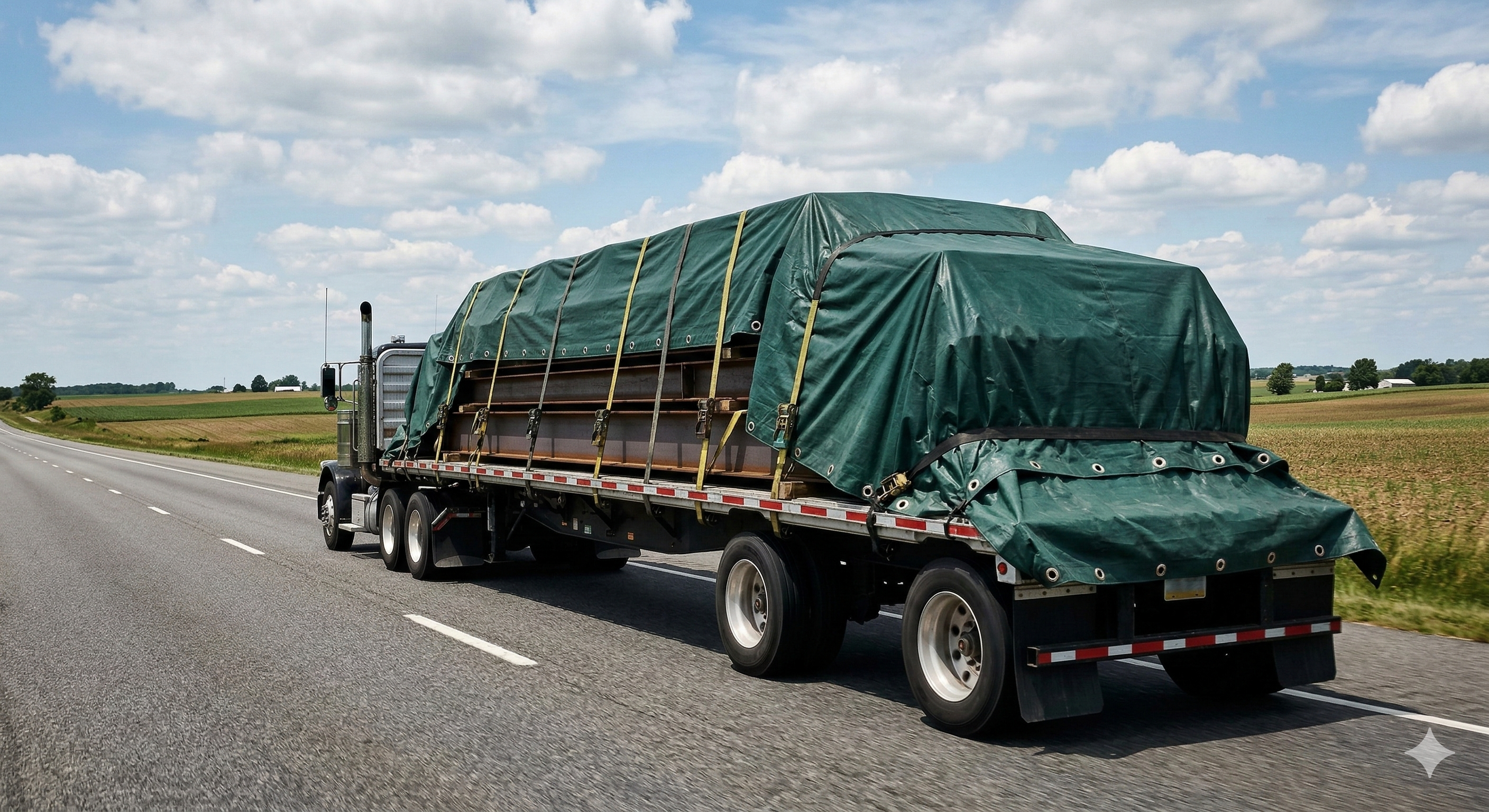
Transportation and trucking. Flatbed loads need to be tarped to protect cargo from rain, wind, and road debris during transit. Heavy duty vinyl tarps with reinforced grommets and D rings are the industry standard for securing loads at highway speeds.
Agriculture and farming. Tarps cover hay bales, grain piles, equipment, and greenhouses. UV resistant poly tarps are popular for their affordability and weather protection. Canvas tarps are used where breathability is needed to prevent moisture trapped under the cover.
Landscaping. Tarps are used as ground covers during soil work, to collect and transport leaves and debris, and to protect finished landscaping from weather. Lighter weight poly tarps work well for these tasks.
Emergency and disaster recovery. After storms, tarps are used to cover damaged roofs, protect exposed interiors, and create temporary shelters. The FEMA blue roof program uses poly tarps to provide emergency roof coverage until permanent repairs can be made.
Industrial and warehouse. Tarps cover machinery, raw materials, and inventory stored outdoors or in open facilities. Vinyl tarps with chemical resistance are preferred in environments where the cover may contact solvents, fuels, or industrial compounds.
How to Choose the Right Tarp
Picking the right tarp comes down to matching the material and specifications to your specific use. Here are the key factors to consider.
What are you covering? A stack of lumber on a job site has different needs than a flatbed load on the highway. Construction coverage needs waterproofing and UV resistance. Trucking needs tear strength and secure fastening points. Agriculture may need breathability to prevent condensation.
How long will the tarp be outdoors? For short term use (a few days to weeks), a standard poly tarp will do the job. For long term exposure (months to years), invest in a heavy duty poly or vinyl tarp with UV treatment. Canvas and light poly tarps break down faster in prolonged sunlight.
What weather will it face? Heavy rain requires a fully waterproof tarp with sealed seams. High winds require reinforced grommets and a heavier weight that will not flap and tear. Snow loads require a strong fabric that will not sag and collapse under the weight.
What size do you need? Measure the area or object you want to cover and add at least one to two feet on each side for overlap and tie down room. Tarps are sold by their cut size, but the finished size after hemming is usually 3 to 5 percent smaller.
What mil thickness do you need? Mil refers to the thickness of the tarp in thousandths of an inch. Light duty tarps are around 5 to 6 mil. Medium duty is 8 to 12 mil. Heavy duty starts at 12 mil and can go up to 40 mil or more for industrial vinyl. Thicker tarps resist tears and punctures better but weigh more.
At BCP Inc., our tarpaulin line is built for real job site and industrial use. Whether you need a standard weight tarp for routine coverage or a heavy duty option for long haul trucking and construction, we offer products in multiple weights and sizes to fit the job.
How to Secure a Tarp Properly
Even the best tarp will fail if it is not secured correctly. Here are the basics.
Use the grommets. Most heavy duty tarps have metal grommets spaced every 18 to 36 inches along the edges. These are your tie down points. Use bungee cords, ratchet straps, rope, or snap hooks through the grommets to hold the tarp in place.
Tie it tight. A loose tarp will flap in the wind, which creates stress on the fabric and grommets. That flapping is the number one cause of tarp failure. Pull the tarp taut and secure all edges.
Use weight on the ground. If the tarp extends to ground level, weigh down the edges with sandbags, cinder blocks, or soil to prevent wind from getting underneath.
Avoid sharp edges. Metal corners, exposed nails, and rough surfaces can puncture or tear the tarp. Pad any sharp contact points with cardboard, foam, or scrap fabric before draping the tarp.
Frequently Asked Questions
What is the difference between a tarp and a tarpaulin? They are the same thing. "Tarp" is just the shortened version of "tarpaulin." Both refer to the same type of protective cover.
How long do heavy duty tarps last? It depends on the material and exposure. Heavy duty poly tarps typically last 1 to 3 years outdoors with UV treatment. Vinyl tarps can last 5 to 10 years or more in similar conditions. Canvas tarps last 2 to 5 years with proper care.
Are all tarps waterproof? No. Poly and vinyl tarps are waterproof. Canvas tarps are water resistant but not fully waterproof unless treated with a waterproof coating. Mesh tarps are not waterproof at all.
What does "mil" mean on a tarp? Mil is a measurement of thickness equal to one thousandth of an inch. A 12 mil tarp is 0.012 inches thick. Higher mil ratings mean a thicker, more durable tarp.
Can I get custom size tarps? Many suppliers, including BCP Inc., offer custom sizes for projects that need non standard dimensions. Contact us for custom orders and bulk pricing.
Get the Right Tarp for the Job
A tarp is only as good as its match to the job. The right material, weight, and size make all the difference between a cover that protects and one that tears apart in the first storm.
At BCP Inc., we supply heavy duty tarpaulins built for construction, transport, agriculture, and industrial use. Our products are designed to handle the conditions that cheap tarps cannot, so your materials, equipment, and cargo stay protected.
Ready to order? Call us at 877-540-5678 or visit bcpinc.us to see our Standard, Super, and Heavy Duty tarpaulin options and request bulk pricing.
