Industrial & Commercial Pond Liners: What to Know
Industrial & Commercial Pond Liners: What to Know
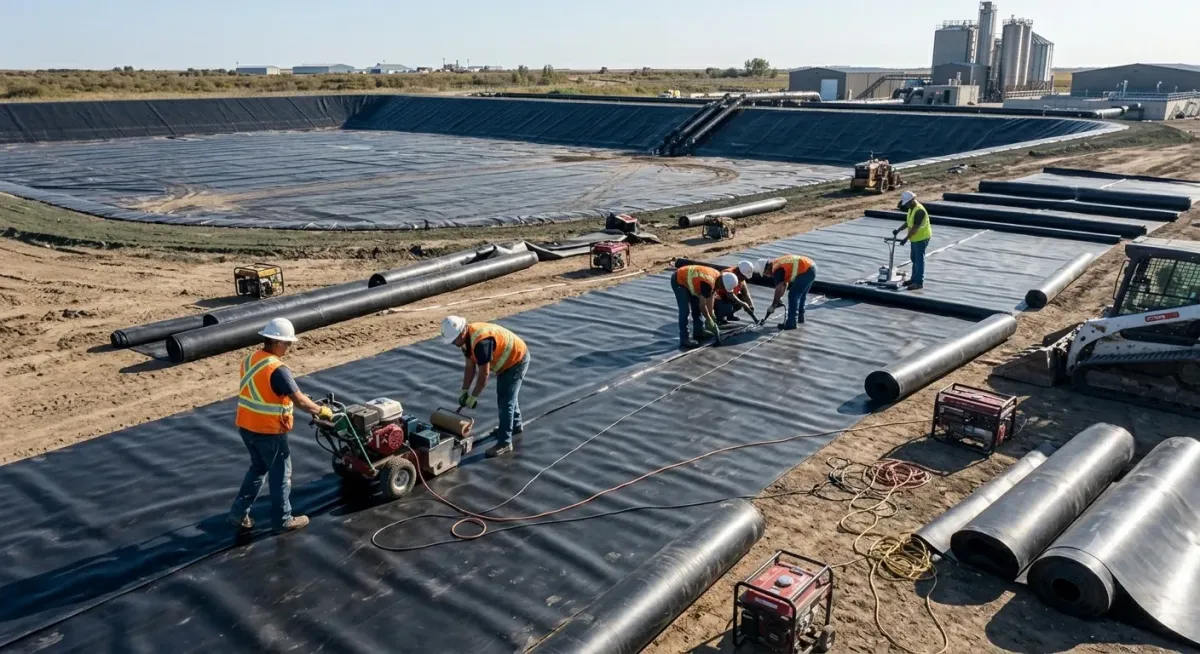
Industrial and commercial pond liners are heavy-duty membranes used to contain water and other liquids in large-scale applications, irrigation and retention ponds, wastewater and containment ponds, agricultural reservoirs, and decorative commercial water features. Compared to backyard pond liners, they need to be larger, thicker, more chemical- and puncture-resistant, and manufactured in big custom panels that can be seamed together to fit the site. The right liner depends on what the pond holds, its size, the exposure conditions, and any regulatory requirements. Choosing correctly matters because a failure in a commercial containment pond is far more costly than in a garden pond. This guide covers the applications, materials, and factors that go into specifying an industrial or commercial pond liner.
Below we cover where these liners are used, the common materials, what makes an industrial liner different from a residential one, and how to spec the right one for a project.
Where industrial and commercial pond liners are used
Large-scale liners serve a wide range of applications, each with its own demands:
Irrigation and agricultural reservoirs, holding water for farming operations.
Stormwater retention and detention ponds, managing runoff on commercial and municipal sites.
Wastewater and containment ponds, holding process water or effluent, often with chemical-resistance and regulatory requirements.
Aquaculture ponds, for commercial fish farming, requiring fish-safe materials.
Decorative commercial water features, at hotels, offices, and public spaces, where appearance and longevity both matter.
Landfill and environmental containment, where liners prevent liquids from reaching groundwater, typically under strict regulation.
Each of these puts different demands on the liner, from chemical resistance to sheer size to compliance, which is why material selection matters.
Common industrial pond liner materials
Several membrane types are used at commercial scale, each with strengths.
EPDM. A flexible rubber membrane that is highly durable, UV-resistant, and long-lasting (often 20+ years). Its flexibility makes it good for irregular shapes and cold climates. Widely used for reservoirs, decorative features, and general containment where its durability is valued.
Reinforced polyethylene (RPE) and HDPE. Polyethylene liners are strong, lightweight for their strength, and often more chemical-resistant. HDPE in particular is common in demanding containment and environmental applications because of its chemical resistance and strength, though it is stiffer and less flexible than EPDM.
Reinforced PVC. Reinforced (scrim-supported) PVC offers good strength at a moderate cost and is easier to fabricate and seam. It is used in many commercial applications where extreme chemical resistance is not required.
The right material depends on what the pond holds and the conditions. A decorative reservoir has different needs than a chemical containment pond.
Industrial vs residential pond liners: the differences
How to spec an industrial pond liner
Choosing a commercial liner comes down to matching the material and thickness to the application. Key questions:
What will the pond hold? Clean water gives you the most options. If it holds wastewater, chemicals, or effluent, chemical resistance becomes the deciding factor, often pointing to HDPE or a specialized membrane, and possibly triggering regulatory requirements.
How big is it, and what shape? Large or irregular ponds need custom-fabricated panels seamed to fit. Flexible materials like EPDM handle contours well; stiffer materials like HDPE suit large, regular basins.
What are the exposure conditions? Full sun calls for strong UV resistance. Cold climates favor materials that stay flexible in low temperatures. Heavy sediment or foot traffic calls for greater puncture resistance and possibly an underlayment beneath the liner.
Are there regulations? Containment, wastewater, and environmental ponds are often subject to codes that dictate liner type, thickness, and installation. Confirm requirements before specifying.
Is fish or aquatic life involved? Aquaculture and decorative fish ponds need a fish-safe material.
Because the stakes are higher and the variables more complex than a backyard pond, industrial liners are best specified with supplier guidance and installed professionally, including proper seaming and often an underlayment for puncture protection.
Why getting it right matters
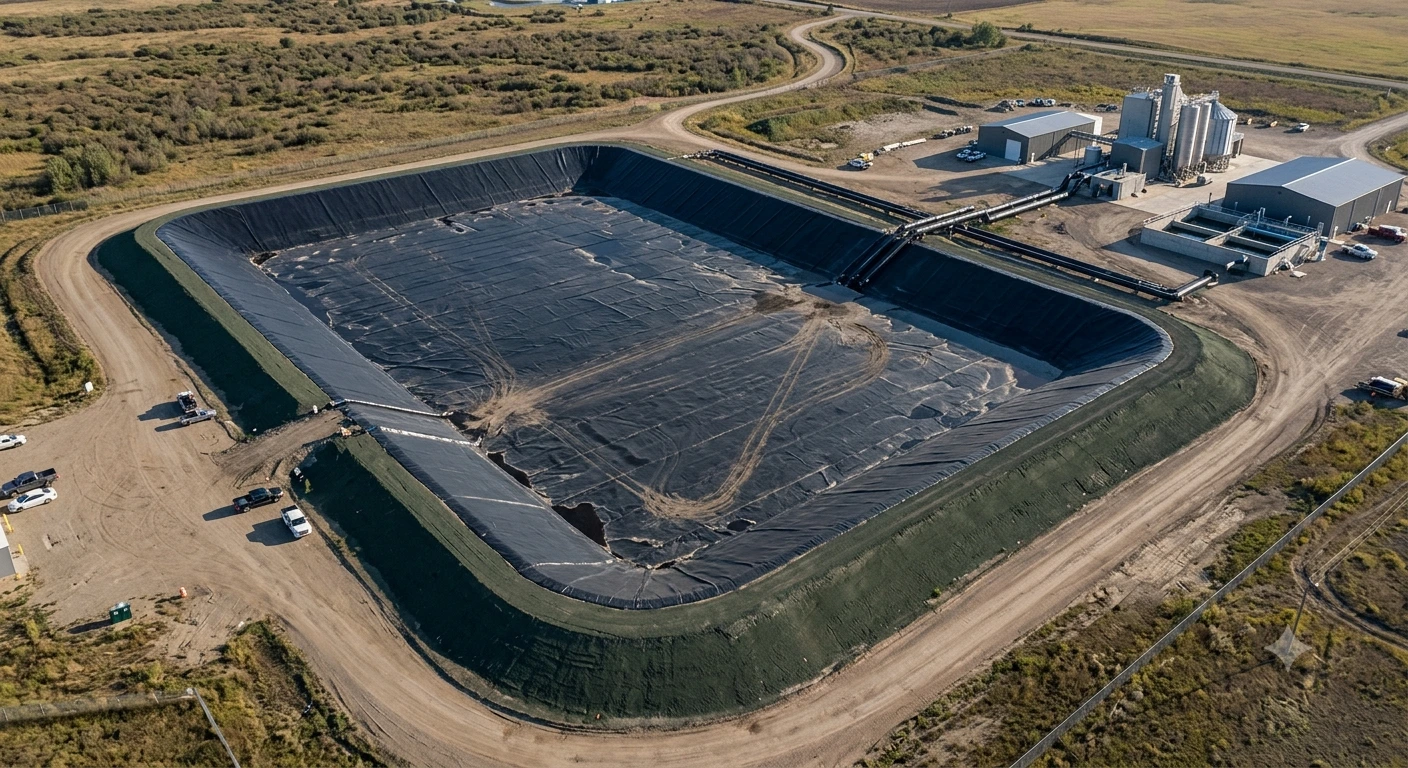
In a garden pond, a liner failure means a weekend fixing a leak. In a commercial containment or retention pond, a failure can mean water loss, environmental damage, regulatory penalties, and expensive remediation, plus the major cost of draining and relining a large basin. That is why industrial liner selection prioritizes durability, the correct material for the contents, and professional installation over saving a little up front. The right liner, correctly installed, is far cheaper than a failure.
Get the right industrial pond liner
At BCP Inc., we are a manufacturer and supplier of pond liners, including heavy-duty options for commercial, agricultural, and industrial applications. We can help you match the right material, thickness, and fabrication to your project's contents, size, exposure, and any regulatory requirements, so you get a liner built to last for the job.
To spec an industrial or commercial pond liner for your project, call us at 877-540-5678 or visit bcpinc.us/pond-liner to learn more and request a quote.
Frequently asked questions
What is an industrial pond liner? An industrial pond liner is a heavy-duty membrane used to contain water or other liquids in large-scale applications like irrigation reservoirs, retention ponds, wastewater containment, and aquaculture. It is larger, thicker, and often more chemical-resistant than a residential liner.
What material is best for a commercial pond liner? It depends on the application. EPDM is durable, flexible, and UV-resistant for general containment and decorative use. HDPE and reinforced polyethylene offer strong chemical resistance for wastewater and environmental containment. Reinforced PVC is a moderate-cost option. Match the material to what the pond holds.
How are large pond liners installed? Large liners are typically fabricated into custom panels sized to the project, then seamed together on site and installed professionally, often over an underlayment for puncture protection. Proper seaming is critical to prevent leaks.
Are industrial pond liners regulated? Often, yes. Containment ponds, wastewater ponds, and environmental applications are frequently subject to codes governing liner type, thickness, and installation. Confirm the requirements for your application before specifying a liner.
What is the difference between a commercial and a residential pond liner? Commercial liners are larger, thicker, more chemical- and puncture-resistant, custom-fabricated, professionally installed, and sometimes regulated. Residential liners are smaller, lighter-duty, and often DIY. The cost of failure is also much higher commercially, which drives higher specs.
Can EPDM be used for industrial ponds? Yes. EPDM is widely used for commercial and industrial ponds where its durability, flexibility, and UV resistance are valuable, such as reservoirs and decorative features. For strong chemical resistance, HDPE or a specialized membrane may be more appropriate.
