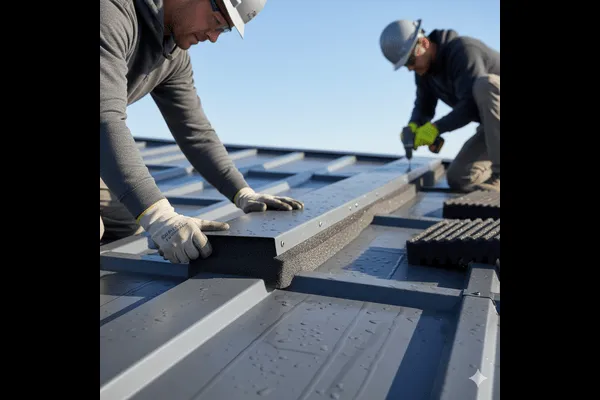
Metal Roofing Ridge Vent Foam: Why It Matters
Metal roofing systems are known for their durability, weather resistance, and long lifespan. But to ensure optimal performance, proper ventilation is essential. Metal roofing ridge vent foam plays a key role in maintaining airflow while protecting the roof from moisture, insects, dust, and debris. As a sealing and filtering component, ridge vent foam provides a reliable barrier that enhances roof efficiency and strengthens overall building protection.
Ridge vent foam is installed along the ridge of the roof, where panels meet at the highest point. While ridge vents are designed to allow hot air to escape, they also create small openings that must be properly sealed. Without foam closures or ridge vent foam, gaps can allow wind-driven rain, insects, pollen, and debris into the attic. This is where ridge vent foam becomes essential—it ensures ventilation continues without compromising the roof’s protective barrier.
What Is Metal Roofing Ridge Vent Foam?

Ridge vent foam is a specialized foam closure strip designed to seal the gaps formed by the ribbed profiles of metal roofing panels. It is typically made from durable, high-density foam that matches the contour of metal roofing sheets. This ensures a snug fit that blocks outside elements while still allowing controlled ventilation.
The foam is lightweight, flexible, and easy to install. It fits directly beneath the ridge vent or ridge cap and conforms to the roof’s panel profile. By compressing slightly during installation, the foam creates a weather-resistant seal that does not restrict airflow in the attic.
How Metal Roofing Ridge Vent Foam Works
The purpose of ridge vent foam is to strike a balance between ventilation and protection. While ridge vents allow warm air to escape from the attic, they also create potential openings along the roof’s peak. Ridge vent foam fills these openings with precision-molded foam material that maintains ventilation but blocks unwanted intrusion.
The foam closures prevent wind-driven rain from penetrating the roof and stop insects and rodents from entering through small gaps. The porous composition of the foam allows air to pass through while keeping solid matter out. This combination of breathability and sealing capability makes ridge vent foam an essential component of a well-designed roofing system.
Benefits of Using Ridge Vent Foam in Metal Roofing Systems
Metal roofing ridge vent foam offers a range of advantages that contribute to roof durability and home comfort.
Improved Weather Protection
One of the biggest benefits is protection from rain, wind, and extreme weather. The foam provides a tight seal that prevents water infiltration even during heavy storms or high winds.
Enhanced Attic Ventilation
Ridge vent foam allows ventilation to continue uninterrupted. This helps regulate attic temperatures, reduce moisture buildup, and improve energy efficiency throughout the home.
Blocks Insects and Debris
Without ridge vent foam, small pests such as bees, wasps, ants, and rodents can enter through exposed ridges. The foam closure eliminates these entry points.
Reduces Dust and Pollen Intrusion
For homes in dusty or pollen-heavy areas, ridge vent foam provides an extra layer of filtration that keeps indoor spaces cleaner and healthier.
Matches Roof Profiles for a Proper Seal
Metal roofing panels come in different shapes and profiles. Ridge vent foam is designed to match these contours for a perfect fit, ensuring a reliable seal every time.
Improves Roof Longevity
By preventing moisture buildup and blocking unwanted intrusion, ridge vent foam extends the lifespan of both the roof system and attic insulation.
Installation Process for Metal Roofing Ridge Vent Foam
Ridge vent foam installation is straightforward, but proper placement is crucial for long-term performance. The foam is positioned along the ridge line directly under the ridge vent or ridge cap. It must align perfectly with the panel profile to close off openings.
Once positioned correctly, the ridge vent is installed on top, compressing the foam slightly. This creates a secure seal without obstructing the airflow. The foam closures must be continuous from end to end to ensure complete protection. Gaps or misalignment can reduce the effectiveness of the ventilation system and compromise weather resistance.
For best results, high-quality foam closures designed for your specific metal roof profile should be used. The right fit ensures maximum sealing performance and long-term durability.
Why Ridge Vent Foam Is Essential for Metal Roof Performance
Metal roofs are built to withstand harsh environments, but their ridged panel structure naturally creates openings at the peak. Ridge vent foam ensures these openings are sealed correctly, allowing ventilation but blocking external threats. Without this protective layer, moisture can enter the attic, insects may infiltrate the home, and temperature regulation becomes more difficult.
Ridge vent foam is a small component that makes a big difference in roof performance. It improves insulation efficiency, supports the attic ventilation system, and adds an extra line of defense against weather conditions. This combination helps homeowners maintain comfort, reduce energy costs, and protect their roofing investment.
Conclusion
Metal roofing ridge vent foam plays a vital role in maintaining a well-protected and efficient roofing system. By sealing ridge openings while allowing proper airflow, this foam ensures long-lasting performance, improved ventilation, and enhanced protection from weather and pests. For homeowners and contractors looking to increase the durability and efficiency of metal roofs, ridge vent foam is an essential component that delivers reliable results.
For high-quality roofing materials and expert guidance, contact BCP Inc.
📞 877-540-5678
