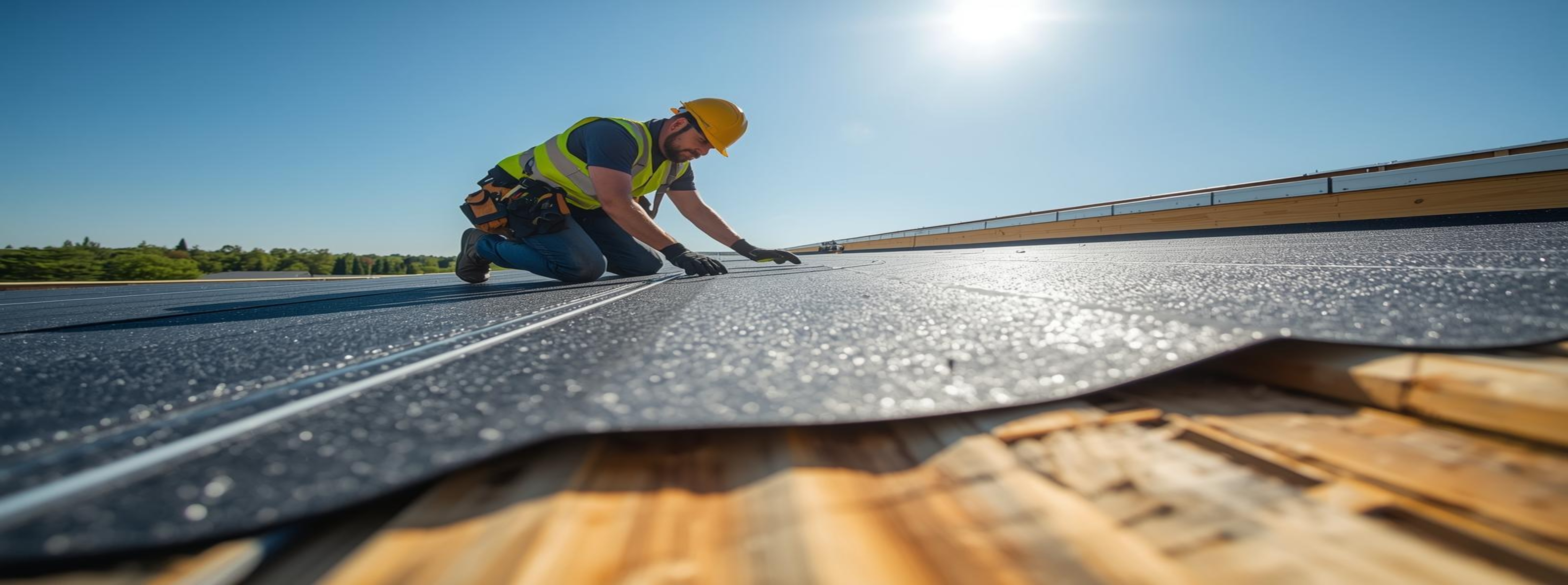
Roof Underlayment Installation: A Complete Homeowner Guide
Roofing systems have multiple layers, and one of the most important—but often overlooked—is the roof underlayment. Installed directly over the roof deck and beneath the shingles, the underlayment acts as a powerful protective barrier against moisture, wind, and weather damage. Whether you are installing a new roof or replacing an old one, understanding roof underlayment installation is essential for maximizing your roof’s durability and lifespan.
What Is Roof Underlayment and Why It Matters
Roof underlayment is a weather-resistant barrier placed between the roof deck and the final roofing material. Although shingles provide the outer defense, they can lift, crack, or become damaged. Underlayment ensures your home still remains protected even if shingles fail.
A properly installed underlayment provides:
Moisture protection
Leak prevention
Extra defense during storms
Structural support for shingles
A smooth and even roofing surface
Added insulation benefits
Without this layer, your roof is far more vulnerable to water penetration and long-term structural issues.

Types of Roof Underlayment
Felt Underlayment (Traditional Option)
Also known as tar paper, felt underlayment has been used for decades. It offers basic moisture resistance and is cost-effective. However, it tears more easily, becomes slippery when wet, and does not perform well in extreme heat or humidity.
Synthetic Underlayment (Modern Preferred Material)
Synthetic underlayment is lightweight, extremely durable, tear-resistant, and provides superior protection against water intrusion. It also offers better traction for installers and holds up well under UV exposure. Today, it is the most common choice for modern roofing systems.
Self-Adhering Ice & Water Shield
Used in vulnerable areas such as valleys, eaves, around chimneys, and under metal roofing, this peel-and-stick membrane creates a waterproof seal that offers maximum leak protection. It is especially important in regions prone to heavy rain, storms, or ice dams.
Why Proper Roof Underlayment Installation Is Essential
A well-installed underlayment can extend the life of the entire roofing system. It acts as a second line of defense when harsh weather damages shingles or when wind-driven rain makes its way beneath the surface. Proper installation ensures:
Increased energy efficiency
Better moisture control
Reduced leak risks
Longer shingle life
Improved structural integrity
A stable base for roofing materials
When done correctly, underlayment significantly enhances the reliability and long-term performance of your roof.
How Roof Underlayment Installation Works
1. Roof Deck Inspection
Before installation, the roof deck is checked for rot, unevenness, or structural damage. Any compromised areas must be repaired or replaced to ensure a solid foundation.
2. Cleaning and Preparation
The roof surface is cleared of old nails, debris, dust, and damaged materials. A clean, smooth deck is essential for proper adhesion and fastening.
3. Rolling Out the Underlayment
Underlayment is rolled out horizontally across the roof, starting from the lowest edge and moving upward. Each layer overlaps the previous one to ensure water flows downward instead of penetrating.
4. Securing the Underlayment
Roofers use cap nails, staples, or roofing nails to secure the underlayment. Synthetic underlayments typically require fewer fasteners while offering superior hold.
5. Sealing High-Risk Areas
Valleys, ridges, eaves, skylights, and vent areas receive additional waterproof membranes or tapes to prevent leaks in vulnerable areas.
6. Final Review Before Installing Shingles
The roofing team ensures proper alignment, smooth coverage, and secure fastening across the entire surface. At this point, shingles or metal roofing materials can be installed.
Roof Underlayment for Different Roof Types
Shingle Roofs
Synthetic underlayment is the top recommendation due to high heat resistance and durability. It prevents moisture from reaching the roof deck even when shingles are exposed to sun or wind.
Metal Roofs
Metal roofing requires underlayment with high heat resistance and condensation control. Self-adhering membranes are often used to handle temperature fluctuations and moisture buildup.
Roofs in Hot or Humid Climates
Waterproof or synthetic underlayment performs best due to its superior moisture resistance and ability to withstand extreme temperatures.
Benefits of Upgrading to Synthetic Underlayment
Exceptional tear resistance
Better water protection
Safer for roofers due to anti-slip surface
Lightweight rolls for easy handling
Lasts longer than traditional felt
Increased UV resistance
Works for all climates and roof types
For homeowners seeking long-term durability and peace of mind, synthetic underlayment is often the best choice.
Common Signs Your Home Needs New Underlayment
Water stains or leaks in ceilings
Mold or mildew in the attic
Sagging roof deck
Shingle curling or missing shingles
Soft spots on the roof
Roof older than 15–20 years
Ignoring these signs can lead to more serious structural damage and costly repairs.
Why Professional Roof Underlayment Installation Matters
Correct underlayment installation is critical. If improperly installed, it can trap moisture, fail to protect the roof deck, or void roofing warranties. Professional roofers ensure:
Precise overlap and alignment
Proper fastening
Correct materials for your climate
Thorough sealing around penetrations
Compliance with building codes
A professional installation guarantees maximum roof protection and long-term durability.
Conclusion
Roof underlayment installation is one of the most important steps in any roofing project. Acting as a protective shield between your roof deck and shingles, it guards your home from leaks, moisture, weather damage, and structural issues. Whether you're installing a new roof or replacing an old one, choosing the right underlayment and ensuring proper installation will significantly enhance your home's safety and longevity.
