Roof Underlayment Types Comparison for Optimal Protection
Roof Underlayment Types Comparison for Optimal Protection
By Issac Wider, Best Construction Products, Inc.
Choosing the right roof underlayment is crucial for ensuring the longevity and performance of a roofing system. With various types of underlayments available, homeowners and contractors alike must understand their characteristics, applications, and benefits. In this article, we will explore the differences between three primary roof underlayment types: asphalt-saturated felt, synthetic underlayment, and rubberized asphalt. By the end, you will be equipped to make an informed decision on which underlayment best fits your project needs, accounting for moisture resistance, installation requirements, and budget considerations.
Asphalt-Saturated Felt (Traditional Choice)
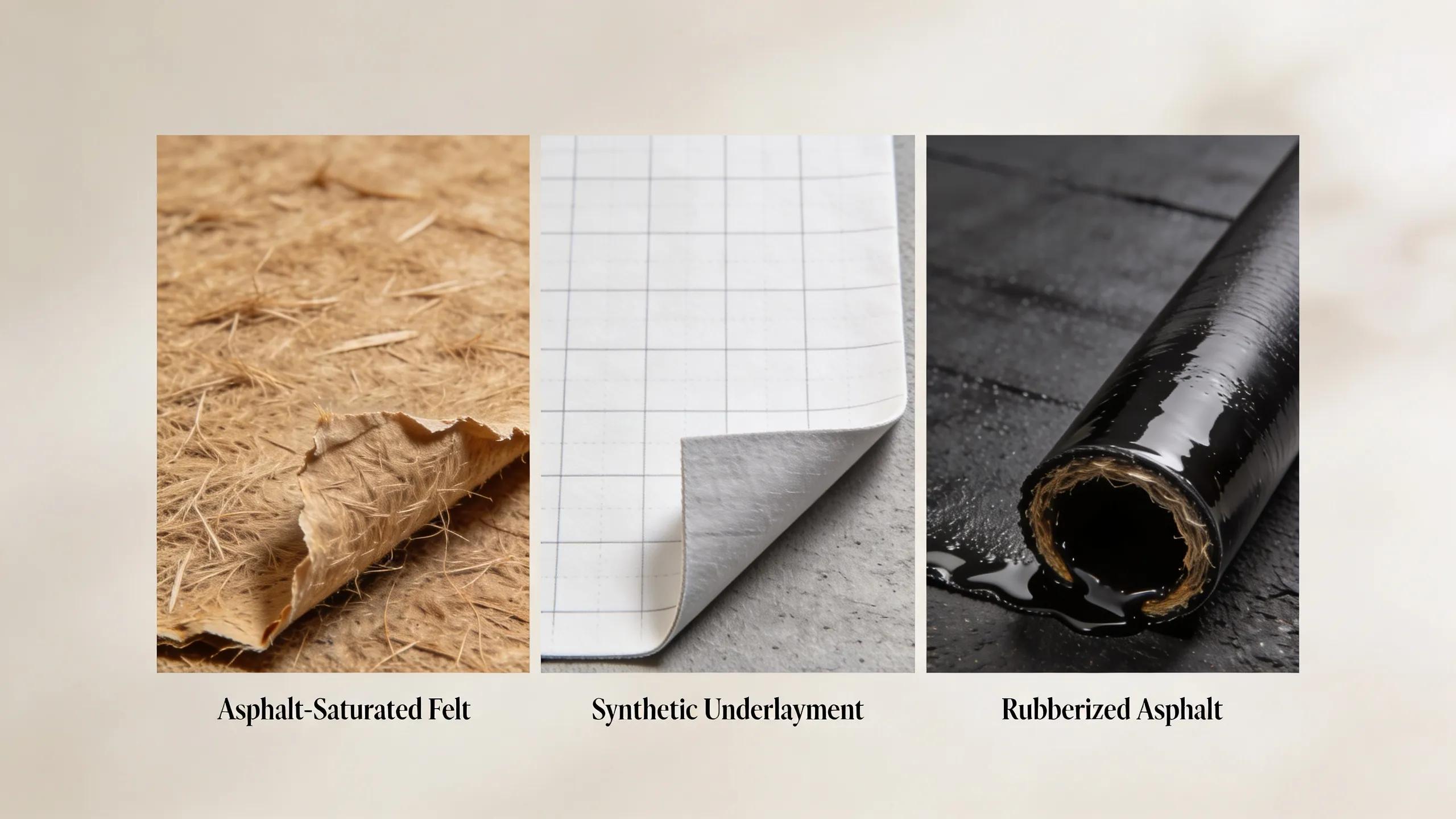
Asphalt-saturated felt is a traditional roofing underlayment that has stood the test of time. Its fabric base is coated with asphalt, providing an economical and moisture-resistant barrier. Felt underlayment is particularly effective in moderate climates. However, it does have a shorter lifespan compared to more modern synthetic options. It can generally last up to 20 years if installed properly, making it a viable choice for roofing projects on a budget.
What Are the Characteristics and Uses of Traditional Felt Underlayment?

Asphalt-saturated felt is known for its affordability, reliability, and ease of installation. It is commonly used under asphalt shingles but may be less effective in extreme weather conditions, such as areas with heavy snowfall or potential ice damming. Its moisture resistance and UV protection also make it suitable for various roofing applications, although its tendency to absorb water can lead to increased weight and issues if not installed correctly.
Moreover, asphalt-saturated felt comes in different weights, typically 15-pound and 30-pound varieties, which can influence its durability and suitability for specific projects. The 30-pound felt is thicker and offers better protection but can be heavier and somewhat more difficult to work with, while 15-pound felt is lighter and easier to handle but might not provide as robust a barrier against moisture and wear.
Advantages and Limitations of Asphalt-Saturated Felt
Advantages: Cost-effective and widely available, best for moderate climates, straightforward installation process, comes in varying weights to suit project needs.
Limitations: Shorter lifespan compared to synthetic options, absorbs moisture which can lead to damage, and may not perform well under extreme weather conditions, requiring more frequent replacement or maintenance.
Synthetic Underlayment (Modern Performance)
Synthetic underlayment has emerged as a modern alternative to traditional felt, offering superior performance characteristics. Composed of polypropylene or polyethylene, synthetic underlayment is both lightweight and resistant to moisture, mold, and tears. This underlayment is highly recommended for modern roofing systems that demand longer-lasting protection against water infiltration. For a robust roofing solution, consider the durable synthetic underlayment options available.
How Does Synthetic Underlayment Provide Superior Waterproofing and Durability?
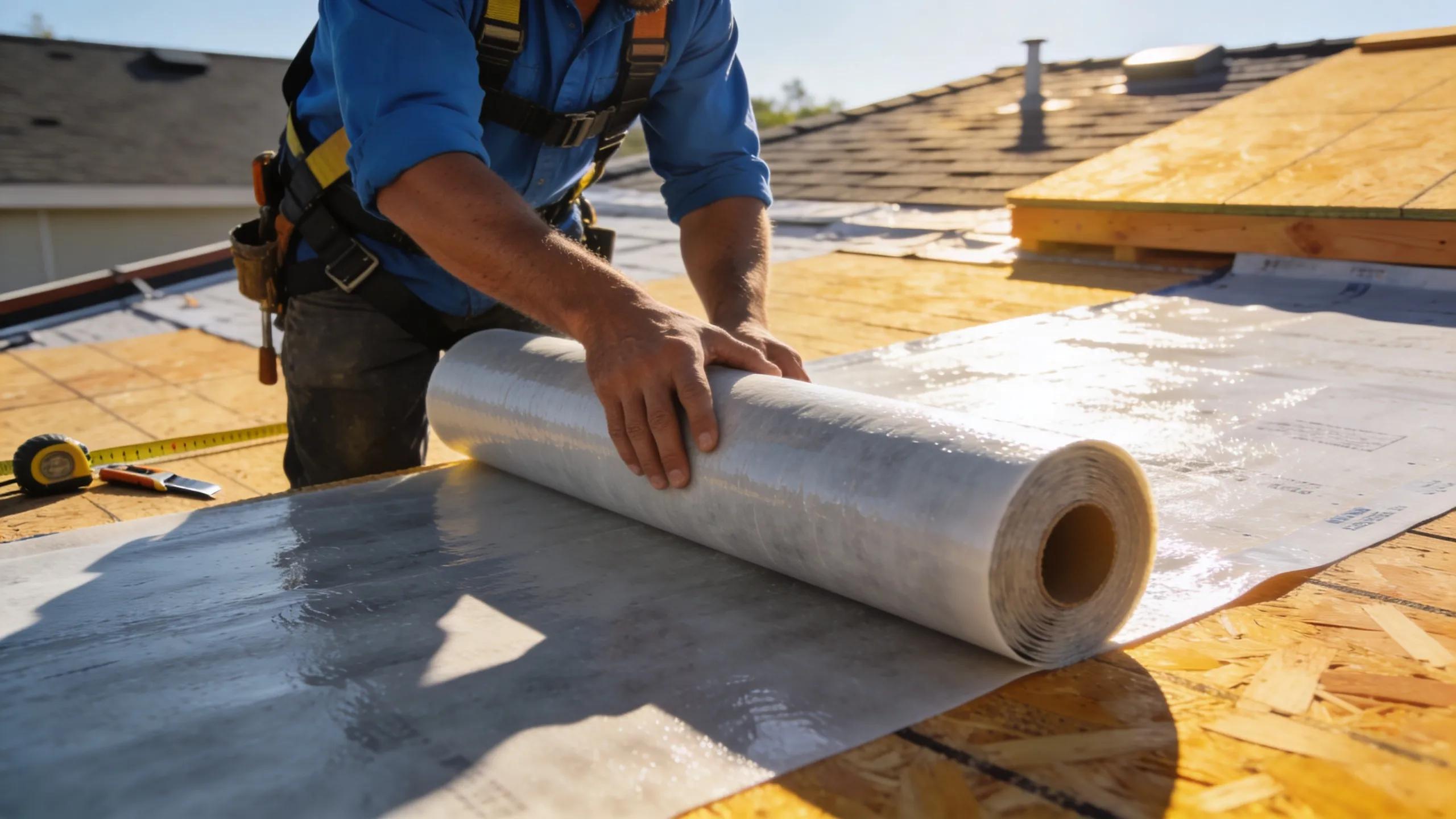
The construction of synthetic underlayment includes advanced polymers that create a water-resistant membrane. This protective layer is designed to withstand harsh weather conditions, ensuring that the underlying roof remains dry and safeguarded. Unlike asphalt felt, synthetic options do not absorb moisture, maintaining their structural integrity over time and significantly extending their lifespan, often exceeding 30 years with proper installation.
Additionally, many synthetic underlayments are designed with slip-resistant surfaces, which improve safety for roofers during installation and maintenance. Their durability also helps reduce the risk of tearing and damage when installing heavy roofing materials or in conditions involving high winds and intense UV exposure. These attributes contribute to fewer repairs and lower long-term maintenance costs.
Comparison of Synthetic and Felt Underlayments
When comparing synthetic underlayment to asphalt-saturated felt, several key differences emerge:
Lifespan: Synthetic can last up to 30 years or more, while felt typically lasts around 20 years.
Weight: Synthetic is lighter, making it easier to handle and install.
Moisture resistance: Synthetic options generally offer superior water resistance compared to felt.
Tear resistance: Synthetic materials are more durable and resistant to tearing during installation and extreme weather.
Safety: Many synthetic underlayments feature enhanced slip resistance, improving safety on the roof.
Rubberized Asphalt (Ice and Water Shield)
Rubberized asphalt underlayment, also known as ice and water shield, is specifically designed for use in critical areas prone to ice dam formation, such as eaves, valleys, and roof intersections. This self-adhering membrane creates a watertight seal that protects vulnerable areas from moisture infiltration and leakage. Selecting the right rubberized asphalt for these specific needs is crucial.
Characteristics and Applications of Rubberized Asphalt
Rubberized asphalt is ideal for cold climates where ice and water are significant concerns. Its self-adhering nature allows for easy installation, ensuring a snug fit on roof surfaces. It provides excellent protection against leakage due to melting snow and heavy rainfall, making it a preferred choice in regions with harsh winters.
Beyond its waterproofing capabilities, rubberized asphalt also offers flexibility, which allows it to accommodate the natural expansion and contraction of roofing materials due to temperature fluctuations. This elasticity helps maintain a reliable seal over time, preventing cracking and water infiltration. Furthermore, it is UV resistant, allowing it to remain effective even when exposed during the roofing process before the final roof covering is installed.
Advantages and Limitations of Rubberized Asphalt
Advantages: Self-adhering and watertight, excellent ice dam protection, provides superior waterproofing, flexible and durable against temperature changes, UV resistant.
Limitations: More expensive than other options, may be overkill for moderately warm climates, installation requires careful surface preparation to ensure proper adhesion.
Comparison of Underlayment Types
To illustrate the differences between the three types of roof underlayment, here’s a detailed comparison:
MaterialPerformance CharacteristicsInstallation RequirementsAsphalt-Saturated FeltCost-effective, moderate moisture resistance, available in different weightsRequires nails, prone to tearing, heavier and less durableSynthetic UnderlaymentLightweight, superior durability, waterproofing, slip-resistant surfaceStraightforward installation, often requires mechanical fasteningRubberized AsphaltHighly resilient, excellent against ice and water, flexible and UV resistantSelf-adhering, requires clean surface for adhesion, best for critical areas
This systematic comparison helps to clarify the benefits and considerations of each type of underlayment, providing insights valuable for contractors and homeowners alike.
Ultimately, the choice of roof underlayment should be informed by the specific requirements of your roofing project, such as climate, installation method, and budgetary constraints. Asphalt-saturated felt offers an inexpensive option for less demanding applications, while synthetic underlayment provides superior protection and longevity. Rubberized asphalt serves as an exceptional solution for regions at risk of severe ice damage. For advanced roof underlayment materials, consult specialized providers.
For those considering high-quality roofing products including roof underlayment materials, Best Construction Products, Inc. specializes in offering a range of options designed to meet diverse roofing needs. With a focus on quality and optimal performance, our products can ensure your roofing project is built to last.
