Can You Use Roofing Felt or Tarp as a Weed Barrier?
Can You Use Roofing Felt, Tarps, or Underlayment as a Weed Barrier?
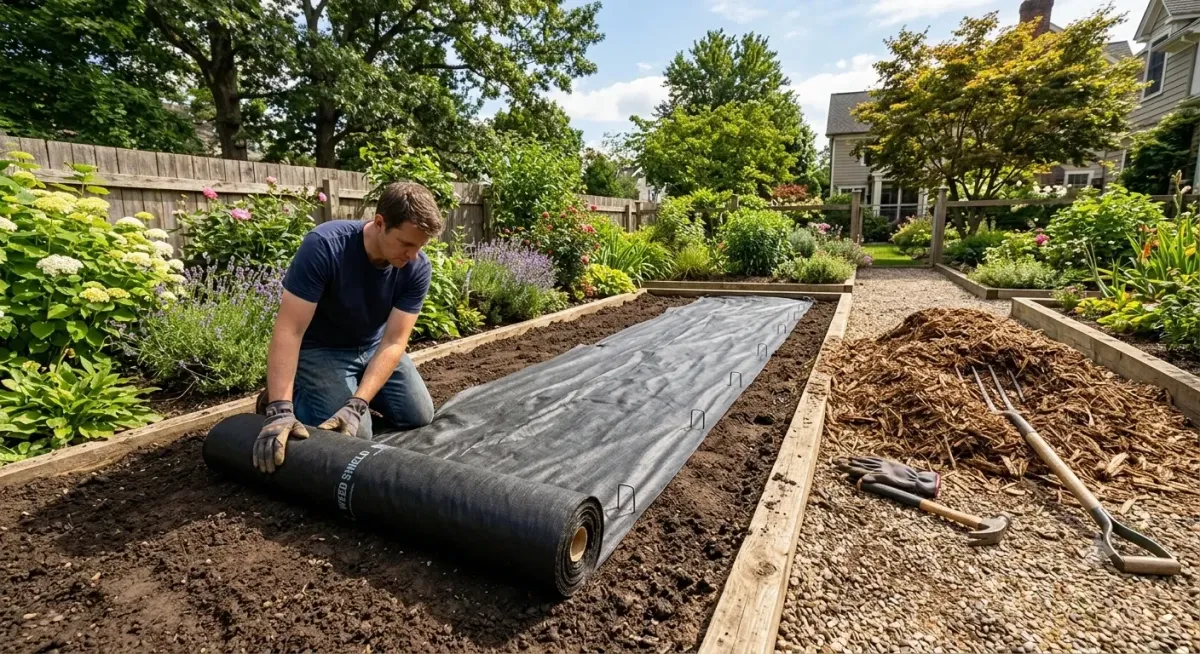
You can technically use roofing felt, tarps, or roof underlayment as a weed barrier, but none of them is a good long-term choice, and some can harm your soil and plants. These materials block light and smother weeds in the short term, but they are not designed for garden use: they do not let water and air through the way real landscape fabric does, they can leach chemicals or break down into a mess, and they often trap moisture or starve your soil. For a bed you care about, a purpose-made landscape fabric or weed barrier is the right tool. For a rough, temporary, kill-the-weeds-then-remove job, a tarp can work as a stopgap. This guide explains what happens when you use each of these materials, why real weed barrier is different, and when a substitute is acceptable.
Below we go through roofing felt, tarps, and underlayment one by one, what they do to weeds and to your soil, then explain what actually makes a good weed barrier and how to choose one.
The core problem: these materials aren't made to breathe
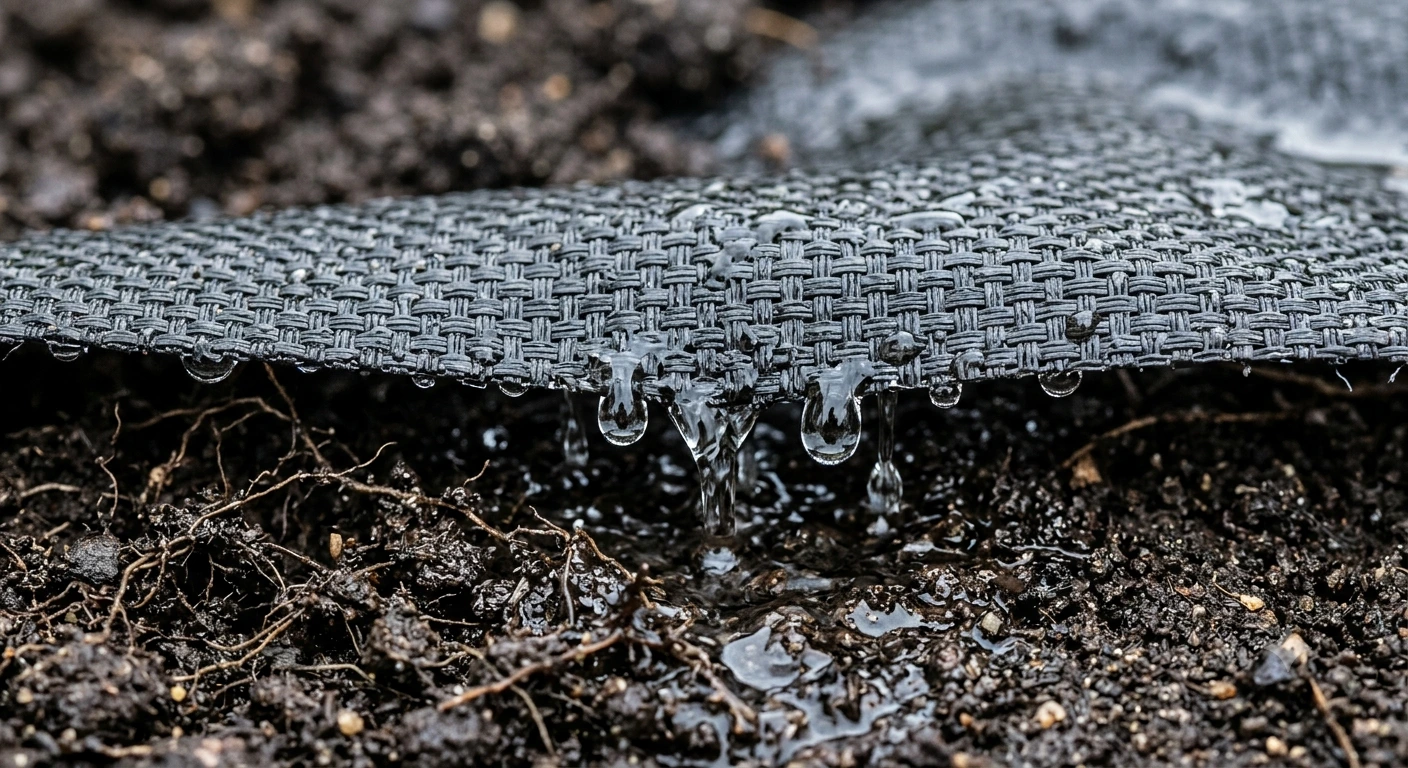
A good weed barrier does two jobs at once: it blocks sunlight so weeds cannot grow, while still letting water, air, and nutrients pass through to the soil below. That balance is the whole point. Plants and healthy soil need water and air to reach the ground.
Roofing felt, tarps, and roof underlayment are designed to do the opposite of breathe, they are made to keep water out. That is exactly what you want on a roof and exactly what you do not want over soil. When you lay a waterproof or water-shedding material over the ground, you block the weeds, but you also block water and air from reaching the soil, and you can trap moisture underneath in ways that harm roots, invite rot, and degrade soil health over time.
That single difference, breathable vs waterproof, is why these roofing materials make poor weed barriers.
Can you use roofing felt as a weed barrier?
Roofing felt (tar paper) is sometimes suggested as a cheap weed barrier because it is dark and blocks light. In practice it has real drawbacks:
It is treated with asphalt/bitumen, which can leach into soil, especially in heat. That is not something you want near edible plants or in a garden bed you care about.
It breaks down when exposed to sun and weather over a season, cracking and flaking into pieces that are a nuisance to remove.
It does not breathe well, so it blocks water and air from the soil.
For a purely ornamental, non-edible area as a very short-term measure, some people use it, but it is not a good choice for most gardens, and never a good idea around vegetables or anything you will eat.
Can you use a tarp as a weed barrier?
A tarp is the most defensible of the three, but only for a specific job. A tarp is completely waterproof and blocks all light, so laid over an area it will smother and kill existing weeds and grass fairly effectively. That makes it useful as a temporary weed-killing tool, for example, solarizing or smothering a patch of ground for a few weeks before planting, then removing the tarp.
Where a tarp fails is as a permanent weed barrier left in place under mulch or gravel:
It is fully waterproof, so it blocks all water from reaching the soil, no good for a planted bed.
It traps moisture and heat underneath, which can harm soil life.
It is not made to be buried or left long-term, so it degrades and becomes a mess.
So: a tarp as a temporary smother-and-remove tool, fine. A tarp as a permanent under-mulch weed barrier, no.
Can you use roof underlayment as a weed barrier?
Roof underlayment (synthetic or felt) comes up because it is tough and rolls out like landscape fabric. But it has the same core problem: it is designed to shed or resist water, not let it through. Synthetic roof underlayment in particular is engineered to be water resistant, which is the opposite of what soil needs.
It blocks water from reaching the soil, starving plants.
It is not UV-stable for ground use the way landscape fabric is, and can degrade.
It is more expensive than actual landscape fabric, so you are paying more for a worse result.
It will block weeds, but it will also block your bed from getting water, and it costs more than the right product. There is no real advantage.
Roofing materials vs real weed barrier: the comparison
What actually makes a good weed barrier
A proper landscape fabric or weed barrier is engineered for exactly this job:
Woven or spun to block light so weeds cannot grow, while the weave lets water and air pass through to the soil.
UV-stabilized to survive sun exposure when used under mulch or gravel.
Durable and tear-resistant so it lasts for years in the ground.
Safe for soil and plants, no chemicals leaching into your beds.
That combination, blocks weeds but breathes, is what none of the roofing materials offer. It is why landscape fabric exists as its own product.
When a substitute is actually okay
To be fair, there are narrow cases where a roofing material substitute makes sense:
A tarp for temporary weed-killing: lay it over a weedy patch for a few weeks to smother everything, then remove it and plant. This is a legitimate use.
Truly disposable, non-planted areas: a rough one-season job on ground you do not care about.
Outside those cases, for any bed you will plant, mulch, and keep, use real landscape fabric. It is cheaper than underlayment, safer than felt, and unlike a tarp, it lets your soil live.
Get the right weed barrier
At BCP Inc., we supply landscape fabric and weed barrier made for the job, blocking weeds while letting water and air reach your soil, so your beds stay healthy and weed-free. It is the right tool at the right price, rather than pressing a roofing material into a job it was never designed for.
To get a weed barrier that actually works for your landscape, call us at 877-540-5678 or visit bcpinc.us/landscape-fabric to see our products and request a quote.
Frequently asked questions
Can you use roofing felt as a weed barrier? You can, but it is not recommended. Roofing felt is treated with asphalt that can leach into soil, it breaks down in sun and weather, and it does not let water and air reach the soil well. For gardens, especially edible ones, use real landscape fabric instead.
Can you use a tarp as a weed barrier? A tarp works well as a temporary tool to smother and kill weeds over a few weeks, then remove it. It does not work as a permanent weed barrier because it is fully waterproof and blocks all water from reaching the soil, which harms planted beds.
Can you use roof underlayment as a weed barrier? It will block weeds, but it is water resistant, so it starves the soil of water, and it costs more than actual landscape fabric. There is no advantage over a purpose-made weed barrier, and several disadvantages.
Why not just use a waterproof material to block weeds? Because soil and plants need water and air to reach the ground. A good weed barrier blocks light to stop weeds while still letting water and air through. Waterproof materials block the weeds but also block what your soil needs.
What is the best weed barrier for a garden? A purpose-made landscape fabric or weed barrier that is woven or spun to block light while letting water and air through, UV-stabilized for durability, and safe for soil. It is designed for exactly this job, unlike roofing materials.
Is landscape fabric better than a tarp for weeds? For a planted, permanent bed, yes, landscape fabric lets water and air reach the soil while blocking weeds, whereas a tarp blocks everything including water. A tarp is only better for a short-term smother-and-remove job.
