What Is House Wrap? How It Protects Your Walls
House Wrap: What It Does and Why Every Home Needs One
When you look at a finished home, you see siding, brick, or stone on the outside. But there is a critical layer hidden behind that exterior cladding that plays a huge role in keeping your home comfortable and dry. That layer is house wrap.
Whether you are building a new home, re-siding an existing one, or just trying to understand how your walls stay protected, this guide will explain what house wrap is, how it works, and why skipping it is a mistake you do not want to make.
What Is House Wrap?
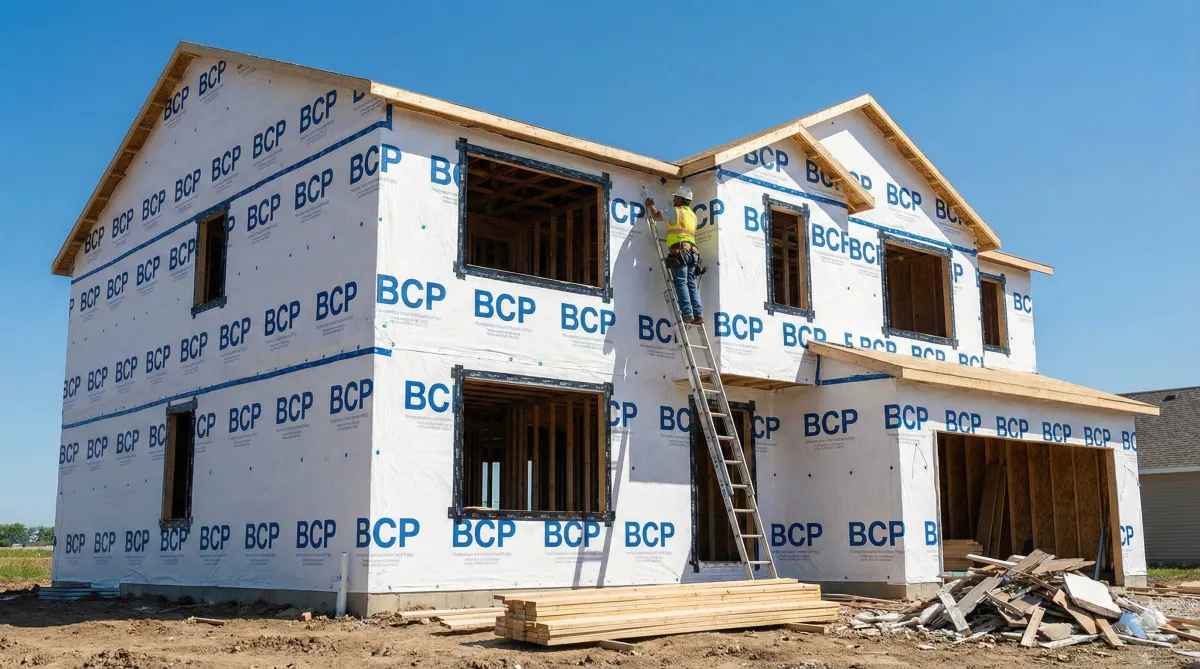
House wrap is a lightweight, synthetic sheet material that wraps around the exterior of a home, covering the wall sheathing (the plywood or OSB panels that sit behind your siding). It goes on after the sheathing is installed but before the siding, brick, or stone is applied.
Its job is to act as a weather resistant barrier, often called a WRB. That means it blocks wind and water from getting through the walls while still allowing moisture vapor from inside the home to escape outward.
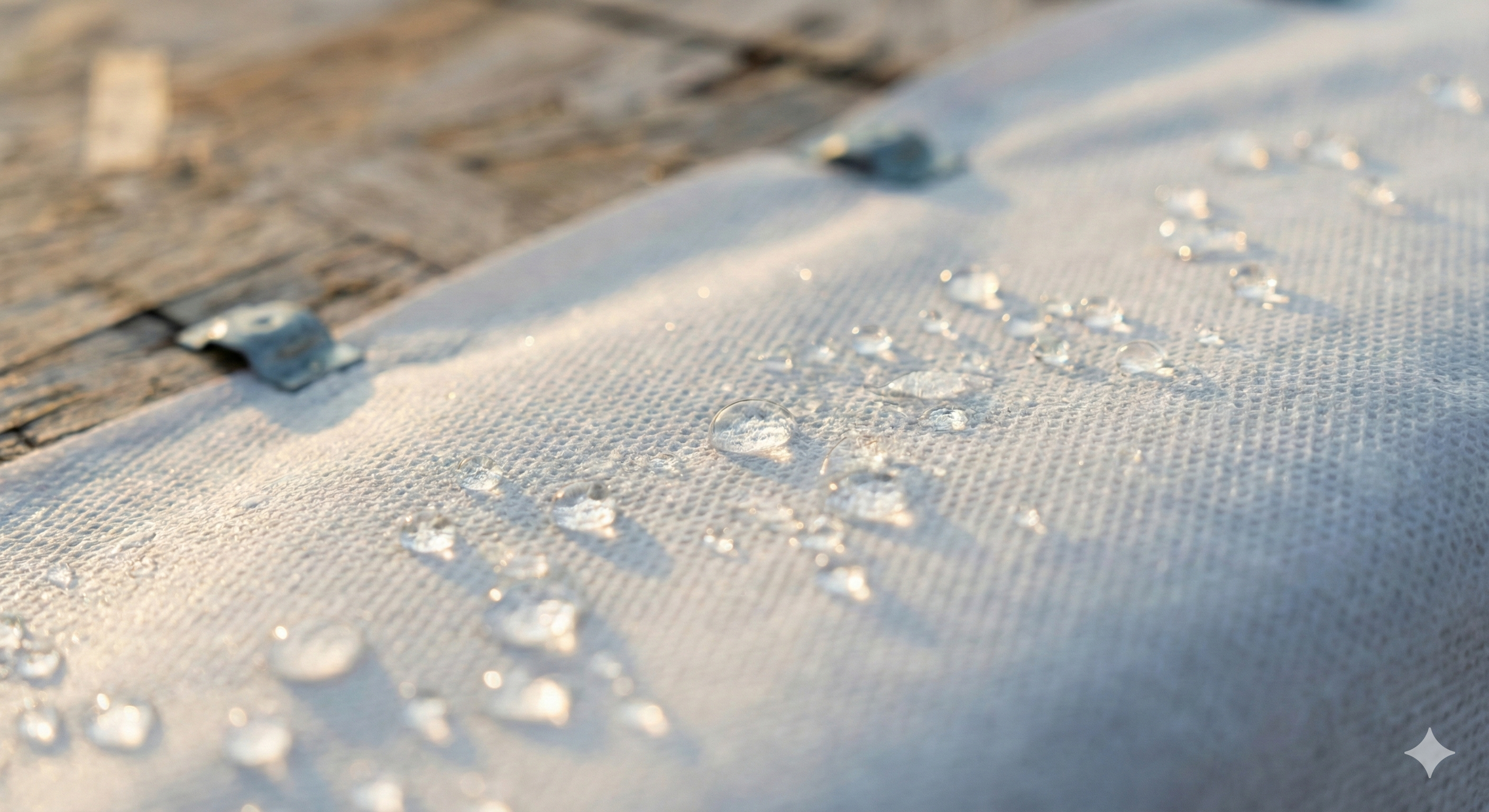
Think of it like a breathable rain jacket for your house. It keeps the rain out but lets your walls release any moisture that builds up on the inside. Without house wrap, water from wind driven rain can seep through the gaps in your siding, soak into the sheathing, and cause rot, mold, and structural damage over time.
How House Wrap Works
House wrap does three important things at once.
It blocks water from getting in. No matter how well your siding is installed, wind driven rain will eventually find its way behind it. Gaps around windows, doors, and joints are common entry points. House wrap catches that water before it reaches the wood sheathing and redirects it downward and out of the wall system.
It stops air leaks. Tiny gaps and cracks in the sheathing allow outside air to flow into the wall cavity. In winter, that means cold drafts. In summer, that means hot air pushing into your home. House wrap seals those gaps and reduces air infiltration, which helps keep your energy bills lower and your indoor temperature more consistent.
It lets moisture vapor escape. This is what separates house wrap from a plain plastic sheet. Plastic would trap moisture inside the walls and cause mold. House wrap is designed to be vapor permeable, meaning water vapor from cooking, showering, and everyday living can pass through the wrap and escape to the outside. This keeps your wall cavity dry and prevents hidden moisture damage.
Why Your Home Needs House Wrap
You might think your siding alone is enough to protect your walls. But siding is not a sealed barrier. Here is why house wrap matters.
It prevents wood rot. When water gets trapped behind siding and soaks into the sheathing, it creates the perfect conditions for rot. Replacing rotted sheathing and framing is expensive and disruptive. House wrap keeps the wood dry so this problem never starts.
It stops mold growth. Mold thrives in dark, damp spaces. The wall cavity behind your siding is exactly that kind of environment if moisture gets in. House wrap keeps moisture out and allows any trapped vapor to escape, making it much harder for mold to take hold.
It improves energy efficiency. Air leaks through walls are one of the biggest sources of energy waste in a home. House wrap reduces those leaks, which means your heating and cooling system does not have to work as hard. Many homeowners notice lower energy bills after house wrap is properly installed.
It protects during construction. There is always a gap between when the sheathing goes up and when the siding is installed. During that window, rain, wind, and humidity can damage the exposed wood. House wrap covers and protects the sheathing during this vulnerable period.
Building codes require it. Most modern building codes require a weather resistant barrier behind the exterior cladding. House wrap is the most common way to meet this requirement.
Types of House Wrap
Not all house wraps are the same. Here are the main types you will find on the market.
Woven Synthetic House Wrap
This is the most common type used in modern construction. It is made from woven polypropylene or polyethylene fibers that create a strong, breathable, and water resistant sheet. Woven wraps are lightweight, easy to handle, and resist tearing during installation.
At BCP Inc., our WrapSecure house wrap is a woven synthetic product built for durability and real job site conditions. It delivers strong moisture resistance, tear strength, and vapor permeability in a single layer that installs quickly and holds up through construction delays.
Spun Bond House Wrap
Spun bond wraps are made from fine fibers that are bonded together using heat and pressure. Tyvek by DuPont is the most well known brand in this category. Spun bond wraps are effective but tend to cost more than woven alternatives.
Fluid Applied WRB
This is a liquid coating that is sprayed or rolled onto the sheathing. It creates a seamless barrier with no seams or laps to worry about. It works well on complex wall shapes but costs significantly more than sheet wraps and requires more labor to apply.
Asphalt Felt (Building Paper)
This is the old school option. Asphalt saturated felt paper was the standard weather barrier before synthetic house wrap came along. It still works, but it tears easily, absorbs moisture, and does not perform as well as modern synthetic options.
How to Install House Wrap
Proper installation is just as important as choosing the right product. Here is how it should go.
Start at the bottom of the wall and work your way up. This ensures each upper layer overlaps the one below it, so water always flows downward and never behind a seam.
Each horizontal row should overlap the one below it by at least 6 inches. Vertical seams where two sheets meet side by side should overlap by at least 6 to 12 inches. All seams should be taped with manufacturer approved tape for a tight seal.
Around windows and doors, the house wrap must be properly integrated with flashing tape. This is one of the most common areas where installation errors cause leaks. The flashing should direct water outward and away from the opening, not behind the wrap.
Fasten the wrap with cap nails or cap staples every 12 to 18 inches. Regular staples can tear through the material over time, so capped fasteners are always the better choice.
Do not leave house wrap exposed to UV for too long. Most products can handle 30 to 90 days of exposure before siding needs to be installed. Check the manufacturer's specifications for your specific product.
How to Choose the Right House Wrap
When picking a house wrap, consider these factors.
Water resistance is the most important feature. The wrap should shed water on contact and prevent moisture from reaching the sheathing.
Vapor permeability matters for long term wall health. A good house wrap lets moisture vapor pass through at a rate measured in "perms." Higher perm ratings mean better breathability. Look for products with a perm rating of 10 or higher.
Tear strength is critical for job site conditions. Wind, tools, and foot traffic can all damage house wrap during construction. A stronger product means fewer repairs and better protection.
UV resistance gives you flexibility during construction. If there might be a delay between wrapping the walls and installing siding, choose a product that can handle extended UV exposure without breaking down.
Compatibility with your siding should be checked. Most house wraps work with vinyl, fiber cement, wood, and composite siding. Some stucco and stone applications may require additional drainage layers.
For most residential and commercial projects, BCP WrapSecure gives you the right balance of water resistance, breathability, tear strength, and affordability. It is trusted by contractors and builders who need a product that performs without overcomplicating the install.
House Wrap FAQs
Can you install siding without house wrap? Some older homes do not have house wrap, but all modern building codes require a weather resistant barrier. Installing siding without house wrap leaves your walls exposed to moisture damage.
How long does house wrap last? When installed correctly behind siding, house wrap can last as long as the home itself. It does not need to be replaced unless the siding is removed and the wrap is damaged.
Is house wrap the same as a vapor barrier? No. A vapor barrier blocks all moisture from passing through. House wrap is vapor permeable, meaning it blocks liquid water but allows water vapor to escape. This is important because trapping vapor inside walls leads to mold and rot.
Does house wrap go over or under foam insulation? House wrap typically goes under rigid foam insulation, directly against the sheathing. However, some builders place it over the foam depending on the wall assembly design. Always follow the building code and manufacturer guidelines for your specific setup.
Protect Your Walls the Right Way
House wrap is one of those products that does its job quietly behind the scenes. You never see it once the siding goes up, but it is working every day to keep your walls dry, your energy bills down, and your home free from hidden moisture damage.
If you are building, renovating, or re-siding and need a house wrap that holds up in real conditions, BCP WrapSecure is built for the job. It is tough enough for busy construction sites and reliable enough to protect your walls for the life of the home.
Ready to get started? Call us at 877-540-5678 or visit bcpinc.us to learn more about WrapSecure and request a quote.
