What Is Roof Underlayment and Why You Need It
What Is Roof Underlayment and Why Does Your Roof Need It?
When most people think about a new roof, they picture shingles. That makes sense because shingles are what you see from the street. But there is a layer underneath those shingles that plays a major role in keeping your home dry and protected. That layer is roof underlayment.
If you are planning a roof replacement, building a new home, or simply trying to understand how your roof works, this guide will walk you through everything you need to know about roof underlayment. We will cover what it is, what it does, the different types available, and how to pick the right one for your project.
What Is Roof Underlayment?
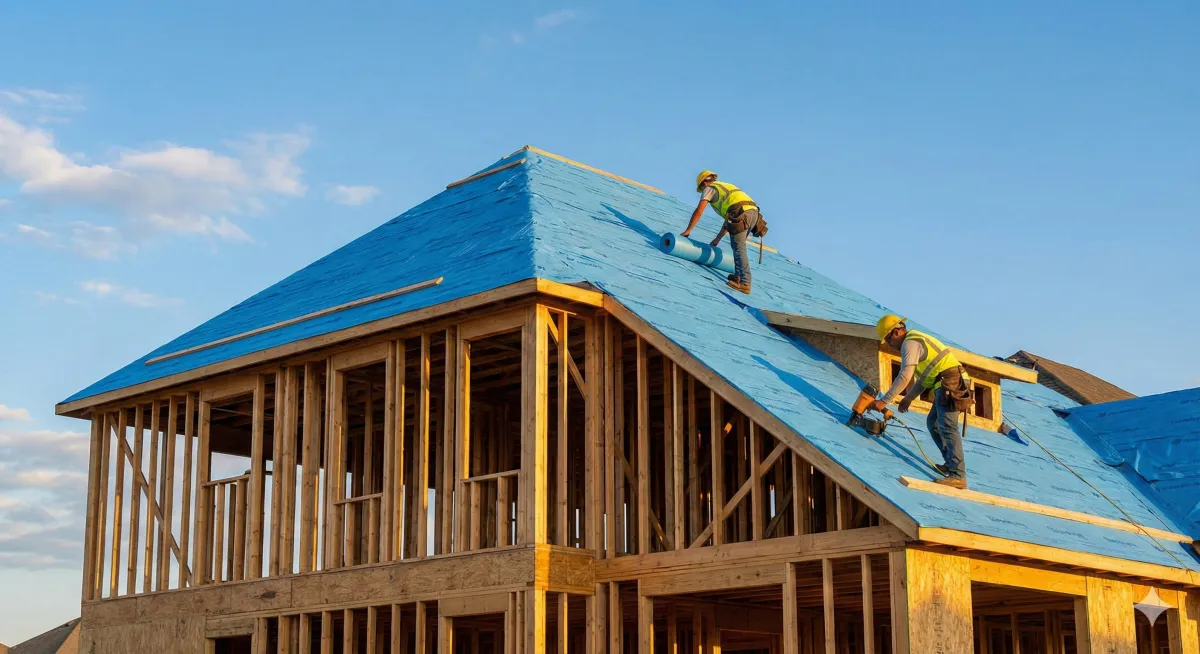
Roof underlayment is a protective sheet material that goes directly on top of your roof deck (the plywood or OSB boards that form the base of your roof). It sits between the deck and the shingles, tiles, or metal panels on top.
Think of it as a backup barrier. Your shingles are the first line of defense against rain, snow, and wind. But if water ever gets past the shingles, the underlayment is there to stop it from reaching the wood deck and the inside of your home.
Without underlayment, even a small gap or lifted shingle during a storm could let water seep into your roof structure. Over time, that leads to wood rot, mold growth, and expensive repairs.

Why Does Your Roof Need Underlayment?
You might wonder if underlayment is really necessary, especially if your shingles look solid. Here is why every roof needs it.
It prevents water damage. Wind driven rain can push water sideways and underneath shingles. Underlayment catches that water and directs it down and off the roof before it reaches the deck.
It protects your roof deck during construction. When a new roof is being built or replaced, there is always a gap between when the deck is exposed and when the shingles are installed. Underlayment covers the deck during that window so rain does not damage the wood.
It adds a layer of defense against ice dams. In cold climates, ice can build up along the edges of a roof and force water to back up under the shingles. The right underlayment prevents that water from getting into your home.
It helps meet building codes. Most local building codes require some form of roof underlayment. Skipping it could mean failing inspection and having to redo the work.
It extends the life of your roof. By keeping moisture away from the deck, underlayment helps prevent the wood from weakening over time. A dry deck means a stronger, longer lasting roof.
Types of Roof Underlayment
There are three main types of roof underlayment, and each one has its strengths. The right choice depends on your budget, your climate, and the type of roofing material you are using.
Asphalt Saturated Felt
This is the traditional option that roofers have used for decades. It is made from paper or fiberglass that has been soaked in asphalt to make it water resistant. You will often hear it called "tar paper" or "roofing felt."
Felt comes in two thicknesses: 15 pound and 30 pound. The 30 pound version is thicker, stronger, and holds up better during installation. Felt is affordable and works fine for many standard roofing jobs, but it does have some downsides. It can tear easily, absorb water if exposed too long, and wrinkle when it gets wet. If wrinkled felt is left in place, it can cause bumps under your shingles.
Felt works best for budget friendly projects in moderate climates where extreme weather is not a major concern.
Synthetic Roof Underlayment
Synthetic underlayment is made from engineered polypropylene or polyethylene. It is the most popular choice among modern roofers and for good reason.
Compared to felt, synthetic roof underlayment is lighter, stronger, and much more resistant to tearing. It does not absorb water, so it will not wrinkle or break down if it gets rained on during installation. Most synthetic products also offer UV protection, meaning they can sit exposed on the deck for weeks or even months before shingles are installed without losing performance.
Synthetic underlayment lays flat, provides better traction for workers walking on the roof, and covers more area per roll. That means faster installation and fewer seams, which reduces the risk of leaks.
At BCP Inc., our RoofLayer synthetic underlayment line is built for real world conditions. Whether you choose RoofLayer Eco for a budget friendly option or RoofLayer Premium for maximum protection, each product is designed to resist water, UV exposure, and tearing on the job site.
Rubberized Asphalt (Peel and Stick)
This is the premium option. Rubberized asphalt underlayment has a sticky backing that bonds directly to the roof deck, creating a watertight seal. When nails or staples go through it, the rubberized material seals around the fastener, preventing leaks at those points.
This type is often called "ice and water shield" because it is especially effective in areas prone to ice dams, heavy rain, and wind driven moisture. It is commonly used in valleys, around chimneys, near skylights, and along the eaves where water tends to collect.
Rubberized asphalt costs more than synthetic or felt, but it provides the highest level of waterproof protection available.

How Roof Underlayment Is Installed
Proper installation matters just as much as choosing the right product. Here is a general overview of how roof underlayment goes on.
The process starts at the lowest edge of the roof, usually the eave. The first row of underlayment is rolled out horizontally along the bottom of the roof and fastened to the deck with cap nails or staples.
Each additional row overlaps the one below it by at least 4 inches on the horizontal seams. End laps (where two sheets meet along their short edges) should overlap by at least 6 inches. This overlap pattern ensures water always flows downward and off the roof without finding a way between the sheets.
Valleys, edges, and areas around roof penetrations like vents and pipes need extra attention. Many roofers will use rubberized asphalt underlayment in these high risk areas even if the rest of the roof uses synthetic.
A few key installation tips to keep in mind. The deck should be clean, dry, and free of debris before you start. Do not over drive your fasteners because that can tear the material. And always follow the manufacturer's instructions for overlap and fastener spacing.
How to Choose the Right Roof Underlayment
Picking the right underlayment comes down to a few factors.
Your climate matters most. If you live in an area with heavy rain, snow, or ice, you need a product that can handle serious moisture exposure. Synthetic underlayment is a strong all around choice, and adding rubberized asphalt in the valleys and eaves gives you extra protection where it counts.
Your roofing material plays a role. Metal roofs, asphalt shingles, tile, and slate all work well with synthetic underlayment. Some roofing manufacturers require specific types of underlayment to keep your warranty valid, so always check before buying.
Your budget is a factor. Felt is the cheapest option upfront, but synthetic often saves money in the long run because it lasts longer and installs faster. Rubberized asphalt is worth the extra cost in problem areas even if you use synthetic everywhere else.
Your project timeline matters. If there is any chance your roof deck will sit exposed for more than a few days, go with synthetic. It handles UV exposure and weather far better than felt.
For most residential roofing projects, a quality synthetic underlayment is the best balance of price, performance, and durability. It protects the deck, speeds up installation, and holds up in a wide range of climates.
Roof Underlayment FAQs
Can you install shingles without underlayment? Technically yes, but it is not recommended and most building codes require it. Without underlayment, your roof deck is exposed to any moisture that gets past the shingles.
How long does roof underlayment last? Synthetic underlayment can last 25 to 40 years under shingles. Felt typically lasts 10 to 20 years. Rubberized asphalt can last up to 40 years in the right conditions.
Is synthetic underlayment waterproof? Synthetic underlayment is highly water resistant and will shed rain effectively. However, it is not the same as a fully sealed membrane like rubberized asphalt. For areas where standing water or ice dams are a concern, rubberized asphalt is the better choice.
Does roof underlayment go over or under ice and water shield? Ice and water shield is applied first to the deck in vulnerable areas (eaves, valleys, penetrations). Synthetic underlayment then covers the remaining roof area and overlaps the edges of the ice and water shield.

Protect Your Roof the Right Way
Roof underlayment is not the flashiest part of a roofing system, but it is one of the most important. It keeps water out, protects your deck, and gives your entire roof a stronger foundation.
If you are working on a roofing project and need reliable underlayment that holds up in real conditions, BCP Inc. has you covered. Our RoofLayer synthetic underlayment is trusted by contractors and builders across the country for its durability, ease of installation, and long lasting protection.
Ready to get started? Call us at 877-540-5678 or visit bcpinc.us/roof-underlayment to explore our full product line and request a quote.
