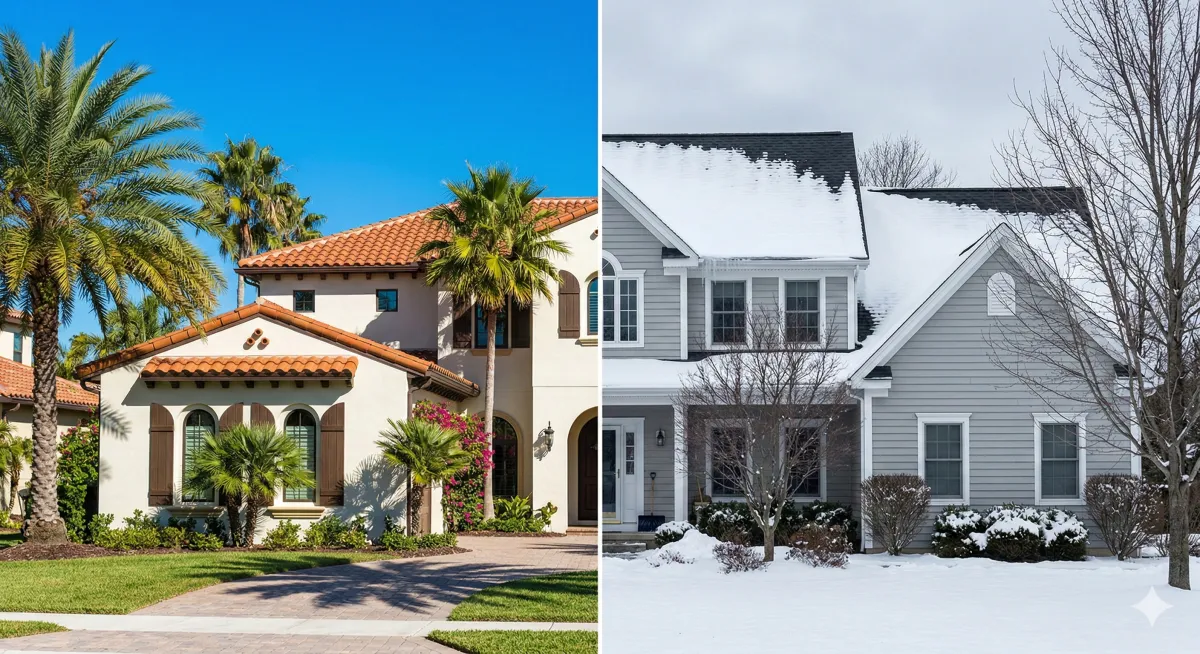
Best Roof Underlayment for Your Climate | BCP Guide
How to Choose the Best Roof Underlayment for Your Climate
Picking the right roof underlayment is not a one size fits all decision. What works perfectly in Arizona will not hold up the same way in Minnesota. And what protects a home in Florida during hurricane season may be overkill for a home in Oregon.
Your climate is the single biggest factor in choosing the right underlayment for your roof. Temperature extremes, moisture levels, wind exposure, and snow load all play a role in which product will give you the best long term protection.
In this guide, we will break down the best underlayment choices for five different climate types so you can match the right product to where you live and what your roof actually faces.
Quick Refresher: The Three Types of Roof Underlayment
Before we get into climate recommendations, here is a quick look at your three main options.
Asphalt saturated felt is the traditional choice. It is affordable and widely available, but it tears easily, absorbs water, and breaks down faster than modern options. It works for basic projects in mild climates but falls short in demanding conditions.
Synthetic underlayment is made from engineered polypropylene or polyethylene. It is lighter, stronger, and far more resistant to water, UV, and tearing than felt. It covers more area per roll and installs faster. This is the go to choice for most modern roofing projects.
Rubberized asphalt (ice and water shield) is a self adhesive, fully waterproof membrane that seals around fasteners. It is used in high risk areas like eaves, valleys, and around penetrations. In some climates, it covers the entire roof.
Now let us look at how climate determines which combination works best.
Hot and Dry Climates
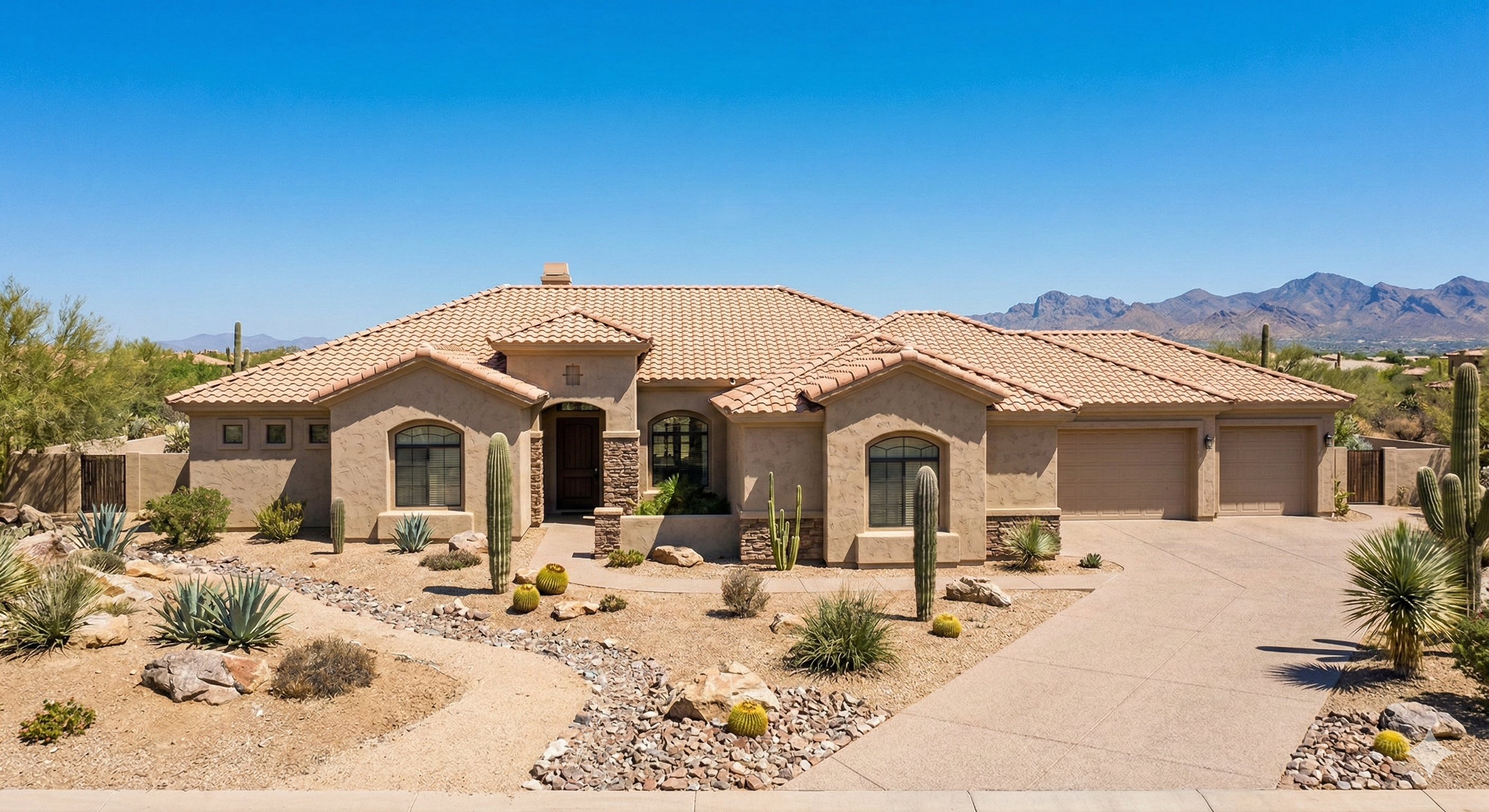
Think southwest states like Arizona, Nevada, New Mexico, and parts of Texas and California.
The biggest threat to your underlayment in a hot climate is UV radiation and extreme heat. Roof surface temperatures in these areas can exceed 150 degrees Fahrenheit on a summer afternoon. That kind of heat breaks down materials fast.
Best choice: Synthetic underlayment with high UV resistance.
Felt underlayment dries out and becomes brittle in extreme heat. The asphalt in felt can also leach oils when exposed to high temperatures, which weakens the material and can cause it to stick to the roof deck in ways that make future re-roofing harder.
Synthetic underlayment handles heat much better. It does not absorb moisture, does not dry out, and maintains its strength even after prolonged exposure to high temperatures. Look for products with UV exposure ratings of 120 days or more for hot climate installations.
BCP RoofLayer Premium is designed for exactly these conditions. It offers extended UV protection, high tear strength, and superior heat resistance that keeps performing long after felt would have broken down.
If your roof has any low slope sections or valleys, add ice and water shield in those areas for extra protection against the occasional monsoon storms that hit the southwest.
Cold and Snowy Climates
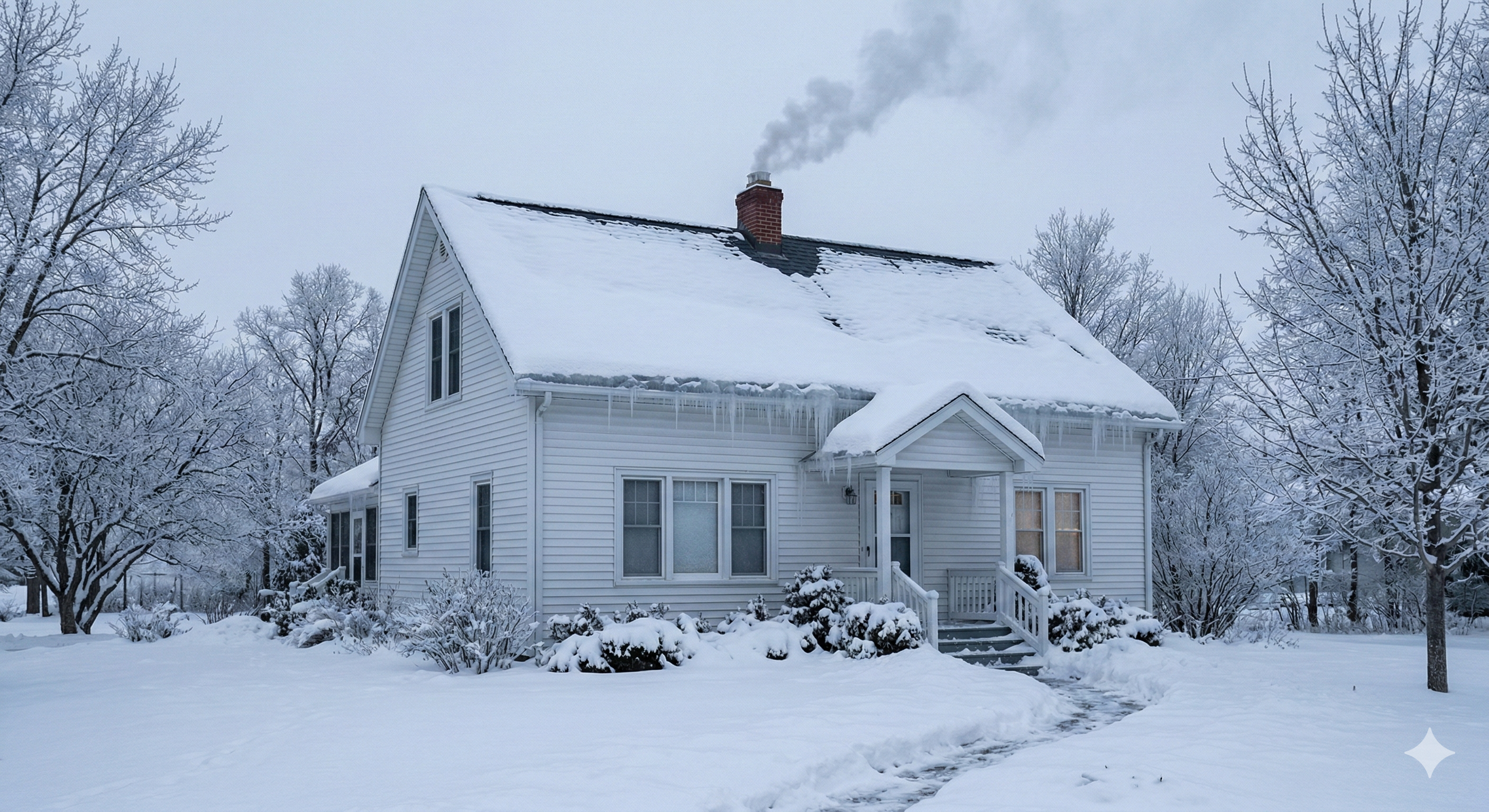
Think northern states like Minnesota, Wisconsin, Michigan, New York, and the entire New England region.
The main threats here are ice dams, freeze thaw cycles, and heavy snow loads. Water that backs up behind ice dams is one of the most common and expensive sources of roof damage in cold climates.
Best choice: Synthetic underlayment on the main deck plus ice and water shield at the eaves, valleys, and penetrations.
This combination gives you waterproof protection in the areas where ice dams form and water resistant coverage across the rest of the roof. Most building codes in cold climates require ice and water shield to extend at least 24 inches past the interior wall line at the eaves. In areas with heavy snowfall, extending it 3 to 6 feet from the edge is even better.
Synthetic underlayment is the right pick for the field of the roof because it does not absorb moisture from snow melt and will not wrinkle or degrade through freeze thaw cycles. Felt absorbs water and can become brittle after repeated freezing, making it a poor choice for cold regions.
BCP RoofLayer Standard gives you the water resistance and durability needed for cold climate roofing. Pair it with ice and water shield in the eaves and valleys and your roof is covered for the worst winter can throw at it.
Wet and Rainy Climates
Think the Pacific Northwest (Washington, Oregon), the Gulf Coast, and parts of the Southeast.
In these regions, the challenge is constant moisture exposure. Months of steady rain, high humidity, and damp conditions put relentless pressure on your underlayment to keep water out.
Best choice: Synthetic underlayment with strong water resistance across the full deck, plus ice and water shield in valleys and low slope areas.
Felt is a bad choice for wet climates. It absorbs moisture over time, which causes it to swell, wrinkle, and lose its protective ability. Wet felt can also promote mold growth on the roof deck underneath.
Synthetic underlayment sheds water on contact and does not absorb moisture no matter how long it stays wet. That makes it far more reliable for regions where rain is a weekly event.
In valleys and any area where water concentrates, use ice and water shield for a fully waterproof seal. If your roof has a pitch of 4:12 or less on any section, ice and water shield is essential there too.
Hurricane and High Wind Zones
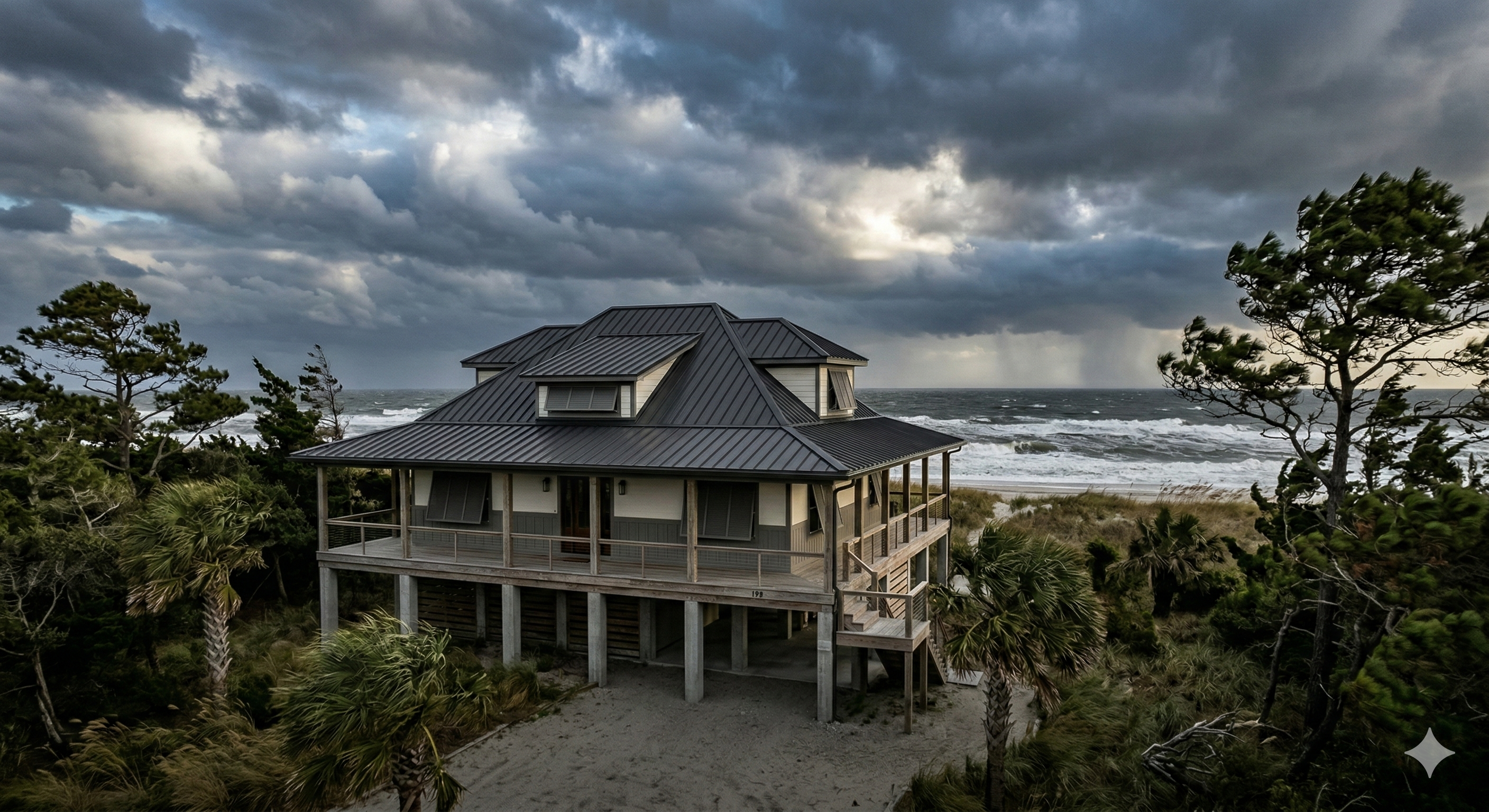
Think Florida, the Gulf Coast, the Carolinas, and coastal areas of the eastern seaboard.
Wind driven rain is the primary threat in these areas. During a hurricane or severe storm, wind can push rain sideways and upward, forcing water under shingles and into the roof system. If shingles blow off entirely, your underlayment is the only thing standing between the storm and your home.
Best choice: Full coverage ice and water shield, or at minimum, synthetic underlayment with ice and water shield in all high risk areas.
Florida building code already requires a secondary water barrier across the entire roof deck in high velocity hurricane zones. Many contractors in these areas use ice and water shield on the full deck for maximum protection.
If full coverage is not in the budget, use ice and water shield at the eaves, valleys, penetrations, and along the rake edges, then cover the rest with a high quality synthetic underlayment that has strong tear resistance and wind rating.
Tear strength matters a lot in high wind zones. If shingles blow off during a storm, the underlayment needs to hold up until repairs can happen. Synthetic outlasts felt in these conditions by a wide margin.
Mild and Moderate Climates
Think the mid Atlantic, parts of the Midwest, and inland areas of the West Coast.
If you live in an area with moderate temperatures, occasional rain, and no extreme weather threats, your underlayment choice is more about value and long term reliability than surviving worst case scenarios.
Best choice: Synthetic underlayment on the full deck with ice and water shield in valleys and around penetrations.
Even in mild climates, felt is not the best long term investment. It will get the job done for a few years, but synthetic lasts longer, installs faster, and provides better protection over the full life of your roof.
BCP RoofLayer Eco is a great fit for mild climate projects. It gives you solid water resistance, UV protection, and tear strength at a price point that keeps your project on budget without cutting corners on quality.
Choosing the Right BCP Product for Your Climate
Here is a quick summary to make your decision easier.
Hot and dry: BCP RoofLayer Premium for UV and heat resistance. Add ice and water shield in valleys.
Cold and snowy: BCP RoofLayer Standard for the main deck. Ice and water shield at eaves, valleys, and penetrations.
Wet and rainy: BCP RoofLayer Standard or Premium for constant moisture protection. Ice and water shield in valleys and low slope areas.
Hurricane zones: Ice and water shield for full coverage or high risk areas. BCP RoofLayer Premium for the field with high tear strength.
Mild and moderate: BCP RoofLayer Eco for reliable, budget friendly protection. Ice and water shield at valleys and penetrations.
Frequently Asked Questions
Can I use the same underlayment everywhere on my roof? You can use synthetic underlayment across the full deck, but for the best protection you should add ice and water shield in the high risk areas regardless of your climate.
Is it worth upgrading from felt to synthetic? In almost every case, yes. Synthetic costs more per roll but covers more area, installs faster, and lasts two to three times longer than felt. The total cost difference on most projects is small compared to the long term benefits.
Does my roofing manufacturer require a specific underlayment? Many shingle manufacturers now require synthetic underlayment for their warranty to be valid. Always check the requirements before you buy to make sure your underlayment choice does not void your warranty.
Can I use ice and water shield on my entire roof in any climate? You can, but it adds cost and may not be necessary in mild or moderate climates. It is most common in hurricane zones and occasionally in severe cold climates. For most homes, a combination approach gives you the best value.
Build Your Roof for Where You Live
The best roof underlayment is the one that matches your climate, your roofing material, and the specific risks your home faces. A one product approach might save a few dollars upfront, but the right combination protects your investment for decades.
Not sure which type fits your project? Compare them all in our best roof underlayment options guide.
At BCP Inc., we offer a full lineup of synthetic underlayment products designed for every climate and every budget. Whether you need heavy duty protection for extreme conditions or reliable coverage for an everyday re-roof, we have a product that fits.
Need help choosing? Call us at 877-540-5678 or visit bcpinc.us to compare our RoofLayer Eco, Standard, and Premium products and request a quote.