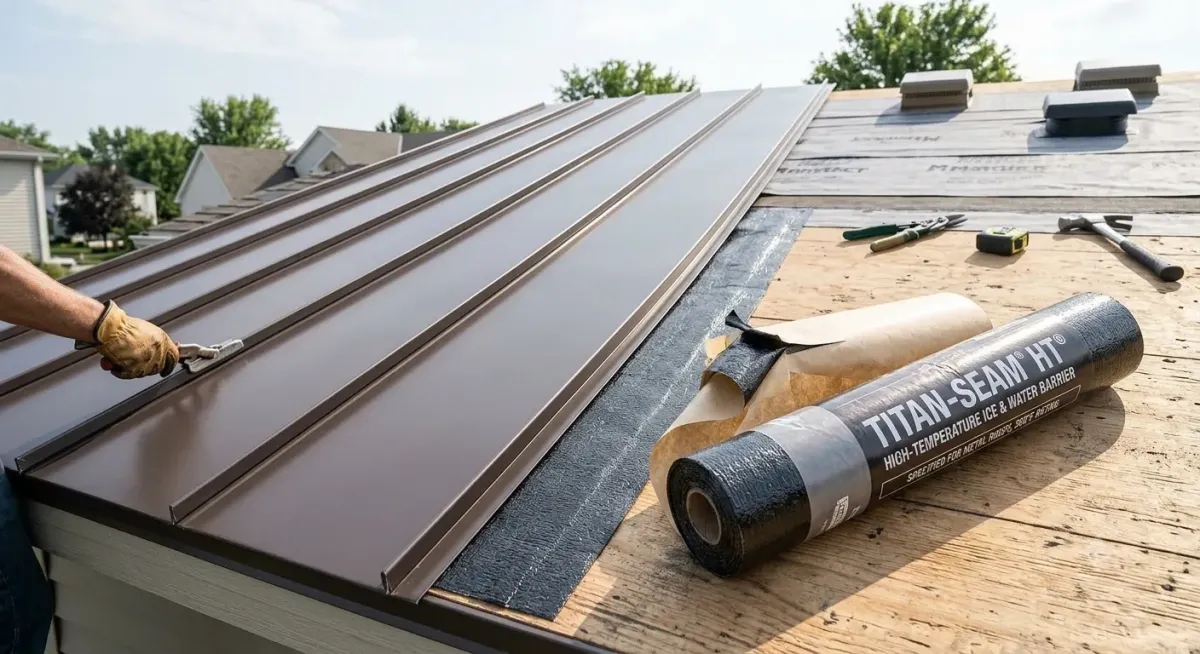
Owens Corning Ice & Water Barrier Alternatives
Owens Corning Ice & Water Barrier Alternatives: How to Choose
If you are comparing Owens Corning ice and water barrier products against other options, the most important thing to know is that ice and water shield is a category, not a single brand. Owens Corning makes quality self-adhesive underlayment, and so do several other manufacturers, and the right choice comes down to matching the product's specifications (waterproofing, temperature rating, warranty, and where it will be installed) to your roof, not to the name on the roll. A well-made ice and water barrier from any reputable supplier does the same core job: it seals to the deck, waterproofs the high-risk areas of your roof, and self-seals around every nail. This guide walks through what to actually compare, so you can choose the right ice and water barrier for your project with confidence.
Below we explain what ice and water barrier does, the specifications that separate a good product from a poor one, how to compare Owens Corning against alternatives on an even footing, and how to match the product to your specific roof.
What is ice and water barrier (and why the brand matters less than you think)
Ice and water barrier, also called ice and water shield or peel-and-stick underlayment, is a self-adhesive, fully waterproof membrane made from rubberized asphalt. It bonds directly to the roof deck and seals around roofing fasteners to create a watertight barrier in the areas of a roof most likely to leak: the eaves, the valleys, and around penetrations like chimneys and vents.
Owens Corning is one well-known manufacturer of this product, and it makes a solid product. But it is far from the only one. The category includes several established brands, and the core function is standardized across all quality products: waterproof sealing, self-sealing around nails, and strong adhesion to the deck. This is why smart buyers focus on the specifications rather than the logo. A product that meets the right specs for your roof will perform, whether it carries a big national brand name or comes from a specialist supplier at a better price.
For the full background on how this product works and where it goes, see our complete ice and water shield guide.
The specifications that actually matter
When you compare any ice and water barrier, Owens Corning or otherwise, these are the specifications that determine performance. Judge products on these, not on brand recognition.
Waterproof rating and construction. Every quality ice and water barrier should be fully waterproof, not just water resistant. The rubberized asphalt construction is what allows it to handle standing water and water backing up from ice dams. Confirm the product is a true waterproofing membrane.
Self-sealing around fasteners. The defining feature of ice and water shield is that it seals around every nail driven through it. This is what protects the deck at every fastener point. All quality products in this category do this; confirm it is stated.
Temperature rating. This is critical and often overlooked. Standard ice and water barrier works fine under asphalt shingles, but under a metal roof you need a high-temperature version rated to at least 240 degrees Fahrenheit, because metal generates heat that can soften standard membrane. Match the temperature rating to your roof type.
Surface and walkability. The top surface affects how safe the membrane is to walk on during installation. Some have a granular or textured surface for grip; others have a film surface. This matters more for steep roofs and installer safety.
Adhesion and application temperature. Products differ in the minimum temperature at which they will bond properly, usually around 40 degrees Fahrenheit. If you are roofing in cooler weather, check the application temperature range.
Warranty. A longer material warranty signals manufacturer confidence. Compare the warranty length and what it actually covers across the products you are considering.
Coverage and roll size. Rolls vary in width and length, which affects how many you need and the total cost. Standard rolls are typically 36 inches wide and cover 200 to 225 square feet.
Owens Corning vs other ice and water barriers: how to compare fairly
Rather than assuming the biggest brand is automatically best, compare the options you are considering side by side on the specifications above. Here is a framework for an even comparison.
When you compare this way, you often find that several products, including alternatives to the big national brands, meet the same specifications. At that point, the deciding factors become price per square foot, availability, and the support you get from your supplier.
Matching the product to your roof
The single most important match is product type to roof type.
Asphalt shingle roofs. Standard ice and water barrier is appropriate. It handles the temperatures a shingle roof reaches and seals the high-risk areas.
Metal roofs. You need a high-temperature version rated to at least 240 degrees Fahrenheit. Metal panels generate heat that can soften standard membrane and cause it to fail, so this is not optional. Always confirm the temperature rating before buying for a metal roof.
Tile and slate. Like metal, these can drive higher deck temperatures, so a high-temperature product is often the safer choice.
Cold climates. Prioritize a product with reliable low-temperature adhesion if you install in cooler weather, and make sure the eave coverage meets your local code.
Getting this match right matters far more than which brand you choose. A correctly specified alternative will outperform a mismatched premium product every time.
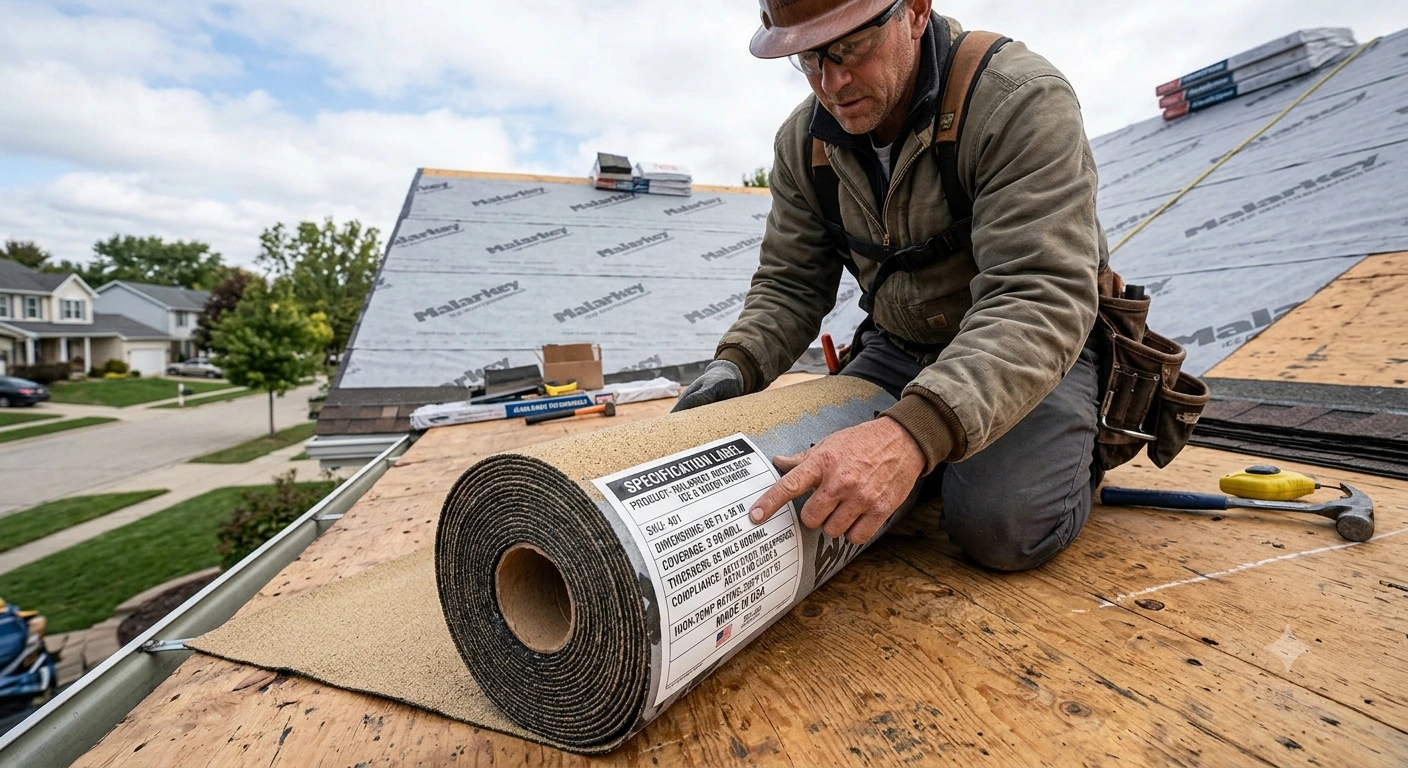
Where the barrier goes (regardless of brand)
No matter which ice and water barrier you choose, it goes in the same high-risk areas of the roof:
Eaves, extending at least 24 inches past the interior wall line, to stop ice dams.
Valleys, the full length, where water concentrates.
Around penetrations, chimneys, skylights, and vent pipes.
At wall intersections and dormers.
On low-slope sections under 4:12.
The rest of the roof field is covered with synthetic underlayment, which overlaps the barrier by at least 4 inches. For the full placement breakdown, our ice and water shield guide covers exactly where each product goes.
Does a premium brand justify a premium price?
This is the real question behind most brand comparisons. The honest answer: sometimes, but not always. A big national brand carries name recognition and often a strong warranty, which has value. But you are frequently paying partly for the marketing behind the name. A specialist supplier's product that meets the same specifications, waterproof, self-sealing, correct temperature rating, solid warranty, delivers the same protection on your roof, often at a better price per square foot.
The smart approach is to decide what specifications your roof needs first, then find the best-value product that meets them. That might be a national brand, or it might be an alternative that performs identically for less. What you should never do is pay a premium purely for the logo without checking whether a comparable product would do the same job.
Get the right ice and water barrier for your project
At BCP Inc., we supply quality ice and water barrier along with the full roofing underlayment system to go with it, synthetic underlayment for the field, and the right products for the high-risk zones. We can help you match the correct specification to your roof type, whether that is standard membrane for shingles or a high-temperature product for metal, and get you a competitive price.
If you are comparing Owens Corning or other brands and want a straight answer on what your roof actually needs and what it should cost, call us at 877-540-5678 or visit bcpinc.us/roof-underlayment to explore our products and request a quote.
Frequently asked questions
Is Owens Corning ice and water barrier the best? Owens Corning makes a quality product, but "best" depends on your roof, not the brand. Several manufacturers make ice and water barriers that meet the same specifications. Match the product's waterproofing, temperature rating, and warranty to your roof, and compare on price per square foot.
Are there good alternatives to Owens Corning ice and water shield? Yes. Ice and water shield is a product category made by multiple reputable manufacturers. A quality alternative that is fully waterproof, self-sealing, and correctly temperature-rated for your roof performs the same core job, often at a better price.
What should I look for in an ice and water barrier? Full waterproofing, self-sealing around fasteners, the correct temperature rating for your roof type (240 degrees Fahrenheit or higher for metal), reliable adhesion, a solid warranty, and good coverage per roll. Judge products on these specs rather than brand name.
Do I need a special ice and water barrier for a metal roof? Yes. Metal roofs require a high-temperature version rated to at least 240 degrees Fahrenheit, because metal generates heat that can soften standard membrane. This is true regardless of brand.
Is a cheaper ice and water barrier as good as a name brand? It can be, if it meets the same specifications. A lower-priced product that is fully waterproof, self-sealing, and correctly rated for your roof will perform the same as a premium brand. The key is comparing specs, not just price or name.
How much ice and water barrier do I need? Enough to cover your eaves, valleys, and penetrations, the high-risk areas, not the whole roof. Most residential roofs need a few rolls for these zones, with synthetic underlayment covering the field. A supplier can help you estimate based on your roof.
Does the brand affect the warranty? Warranties vary by manufacturer, so compare the length and what each actually covers. A longer warranty can signal manufacturer confidence, but read what it includes; coverage terms matter more than the headline number.
