Roof Rejuvenation vs Replacement: Which to Choose
Roof Rejuvenation vs Replacement: Which Does Your Roof Need?
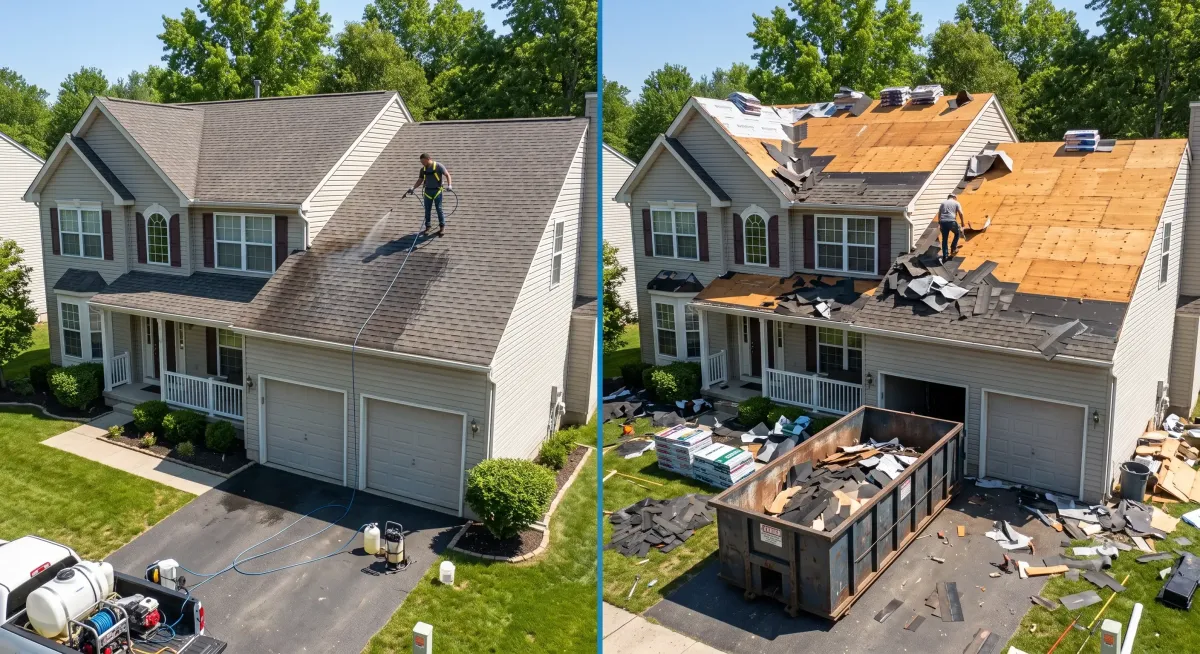
The choice between roof rejuvenation and replacement comes down to one thing: the condition of your shingles. If your asphalt shingles are aging and drying out but still flat, intact, and leak-free, rejuvenation can restore their flexibility and add years of life for a small fraction of replacement cost. If the shingles are cracked, curling, missing, or the roof is leaking, that window has closed and replacement is the right call. Rejuvenation extends a roof that still has life in it; replacement is for a roof that has reached the end.
That is the short answer. Below we walk through how to tell which situation your roof is in, what each option costs and delivers, and how to make the decision with confidence. For the basics, see our guides on what roof rejuvenation is and roof rejuvenation cost.
The deciding factor: shingle condition
Everything hinges on whether your shingles are still structurally sound. Asphalt shingles age because they lose their natural oils to sun and heat, drying out, shedding granules, and eventually cracking. There is a window, usually somewhere between years 8 and 15, when a roof is clearly aging but the shingles are still doing their job. That is the rejuvenation window. Once shingles start cracking, curling, or letting water in, they are past saving, and no treatment brings them back.
So the real question is not "which is cheaper" (rejuvenation always is), it is "is my roof still a candidate for rejuvenation, or has it already crossed into replacement territory?"
When rejuvenation is the right choice
Rejuvenation is the smart move when your roof shows these signs:
Age 8 to 15 years, aging but not ancient.
Shingles are drying out or fading, but still flat and intact.
Some granule loss showing in the gutters, but no bare patches.
No active leaks and no widespread damage.
Structurally sound deck, no sagging or soft spots.
In this state, a rejuvenation treatment restores flexibility and water resistance, helps the shingles reseal, and can add about five years of life per application. It is fast, low-disruption, and costs far less than a reroof. For a roof like this, replacing it would mean throwing away shingles that still have years left in them.
When replacement is the right choice
Replacement is the right call when the shingles have failed or are close to it:
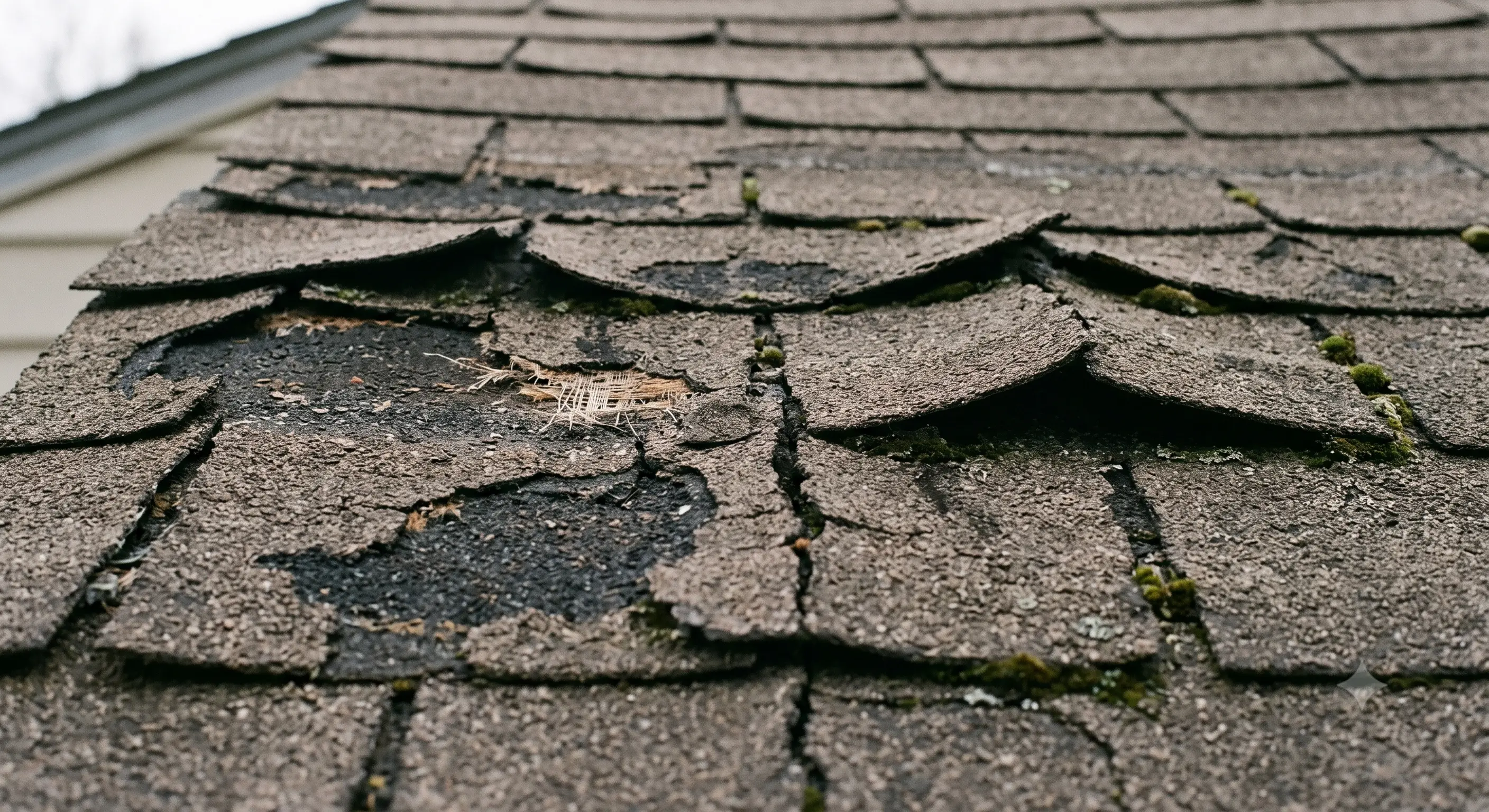
Widespread cracking or curling across the shingles.
Missing or broken shingles, or bare spots where granules are gone.
Active leaks or water stains on interior ceilings.
Exposed fiberglass reinforcement in the shingles.
Storm or structural damage, or a sagging deck.
The roof is simply at the end of its life, typically 20-plus years for asphalt.
At this point, rejuvenation cannot help, the shingles are no longer sound enough to restore. Spending on a treatment here is money wasted; the roof needs a new system of underlayment and shingles.
Rejuvenation vs replacement: side by side
Can rejuvenation delay replacement?
Yes, and that is the whole point. For a roof in the right condition, rejuvenation buys time. Each treatment can add around five years, and a quality product can be reapplied up to three times, extending a roof's life by as much as 15 years. That does not mean rejuvenation replaces replacement forever, every roof eventually needs replacing, but it does mean you can push that expense out and get more value from the roof you already have. Think of it as maintenance that stretches the lifespan, not a permanent alternative.
What about roofs in the middle?
Not every roof is clearly in one camp. Some are borderline, aging, with a few problem spots but mostly sound. Here is how to think about those:
Mostly sound with isolated damage. If the roof is a good rejuvenation candidate overall but has a few damaged shingles, those can sometimes be repaired first, then the whole roof rejuvenated. Repair the failures, treat the rest.
Right at the edge of the window. A roof around 15 to 18 years old is a judgment call. If the shingles are still flexible and intact, rejuvenation may still buy time. If they are getting brittle, replacement may be the smarter long-term spend. An inspection tips the balance.
Sound shingles but other issues. If the shingles themselves are fine but there are flashing or ventilation problems, those are separate repairs, and rejuvenation can still extend the shingles while you address them.
The takeaway: a borderline roof is exactly the situation where a professional inspection pays for itself, because guessing wrong in either direction costs money.
The environmental angle
There is one more factor worth mentioning. A full roof replacement sends tons of old shingles to the landfill. Rejuvenation keeps those shingles in service for years longer, which means less waste. For homeowners who care about the environmental footprint of their choices, extending a sound roof rather than tearing it off early is the greener option, and it happens to be the cheaper one too.
How to decide with confidence
The honest way to choose is not to guess from the ground, it is to get the roof inspected. A close look tells you whether the shingles are still sound (rejuvenation) or past the point of return (replacement). When you are on the fence, that inspection is the tie-breaker, and it saves you from either wasting money treating a dead roof or replacing one that still had years left.
At BCP, we supply Shingle Serum, a bio-based rejuvenation treatment for asphalt shingle roofs that are still sound, backed by a 7-year warranty. If you want help figuring out whether your roof is a candidate for rejuvenation or has reached the point of replacement, call us at 877-540-5678 and we will point you the right way.
Frequently asked questions
Should I rejuvenate or replace my roof? It depends on shingle condition. If your asphalt shingles are aging but still flat, intact, and leak-free, rejuvenation adds years for far less money. If they are cracked, curling, missing, or leaking, the roof needs replacement. An inspection confirms which stage you are in.
Can roof rejuvenation replace a roof replacement? No, not permanently. Rejuvenation extends the life of a sound roof and delays replacement, often by several years per treatment, but every roof eventually needs replacing. It is a way to postpone that cost, not eliminate it.
How do I know if my roof is too far gone for rejuvenation? Signs a roof is past rejuvenation include widespread cracking or curling, missing shingles, bare patches, exposed fiberglass, active leaks, or a sagging deck. In these cases, replacement is the right option.
Is rejuvenation cheaper than replacement? Yes, significantly. Rejuvenation treats your existing shingles in a few hours for a small fraction of what a full tear-off and reroof costs. The savings only apply, though, if the shingles are still sound enough to treat.
How much life does rejuvenation add compared to replacement? A single rejuvenation treatment can add about five years, and with reapplication up to three times, as much as 15 years. A replacement resets the roof to a full new lifespan, which for asphalt is typically 20 or more years.
What if I'm not sure which my roof needs? Get a roof inspection. It is the reliable way to tell whether your shingles are still a candidate for rejuvenation or have crossed into replacement territory, so you do not overspend or treat a roof that is already gone.
