Tyvek House Wrap Alternatives That Actually Work
Tyvek House Wrap Alternatives That Save Money Without Cutting Corners
Tyvek by DuPont has been the most recognized name in house wrap for decades. Ask any contractor about weather resistant barriers and Tyvek is usually the first brand that comes to mind.
But being the most well known does not always mean being the only good option. Many contractors and builders have started looking for Tyvek house wrap alternatives that deliver the same level of protection at a lower price point. And the good news is there are solid options available that hold up just as well on the job site.
In this guide, we will cover why contractors look for alternatives, what features actually matter in a house wrap, and which products are worth considering for your next project.
Why Contractors Look for Alternatives
Tyvek works. Nobody is arguing that. But there are practical reasons why more builders are exploring other options.
Cost adds up on large projects. When you are wrapping a multi unit development or a large commercial building, the price per roll matters. Tyvek tends to cost more than comparable woven synthetic wraps, and that difference multiplies fast across dozens or hundreds of rolls.
Availability can be an issue. Supply chain delays have hit every corner of the construction industry. When your preferred brand is backordered and the framing crew is ready to move forward, you need a reliable backup that you can get your hands on quickly.
Other products have caught up. The house wrap market has evolved significantly. Modern woven and spun bond synthetics offer performance that meets or exceeds what Tyvek delivers in water resistance, tear strength, and vapor permeability. Brand recognition does not always equal better performance.
Project specs vary. Different projects have different needs. A custom home in a wet climate may need different wrap characteristics than a tract home in a dry region. Having options lets you match the product to the project instead of using one brand for everything.
What to Look for in a House Wrap
Before comparing specific products, it helps to know what features actually matter. Not all house wraps are created equal, and the wrong choice can lead to moisture problems, failed inspections, or warranty issues.
Water resistance is the most critical feature. The wrap must block liquid water from reaching the sheathing. Look for products that shed water on contact rather than absorbing it.
Vapor permeability is just as important. The wrap needs to let moisture vapor escape from inside the wall cavity to the outside. A perm rating of 10 or higher means the material breathes well enough to prevent trapped moisture and mold growth. If a wrap blocks water but also traps vapor, you are trading one problem for another.
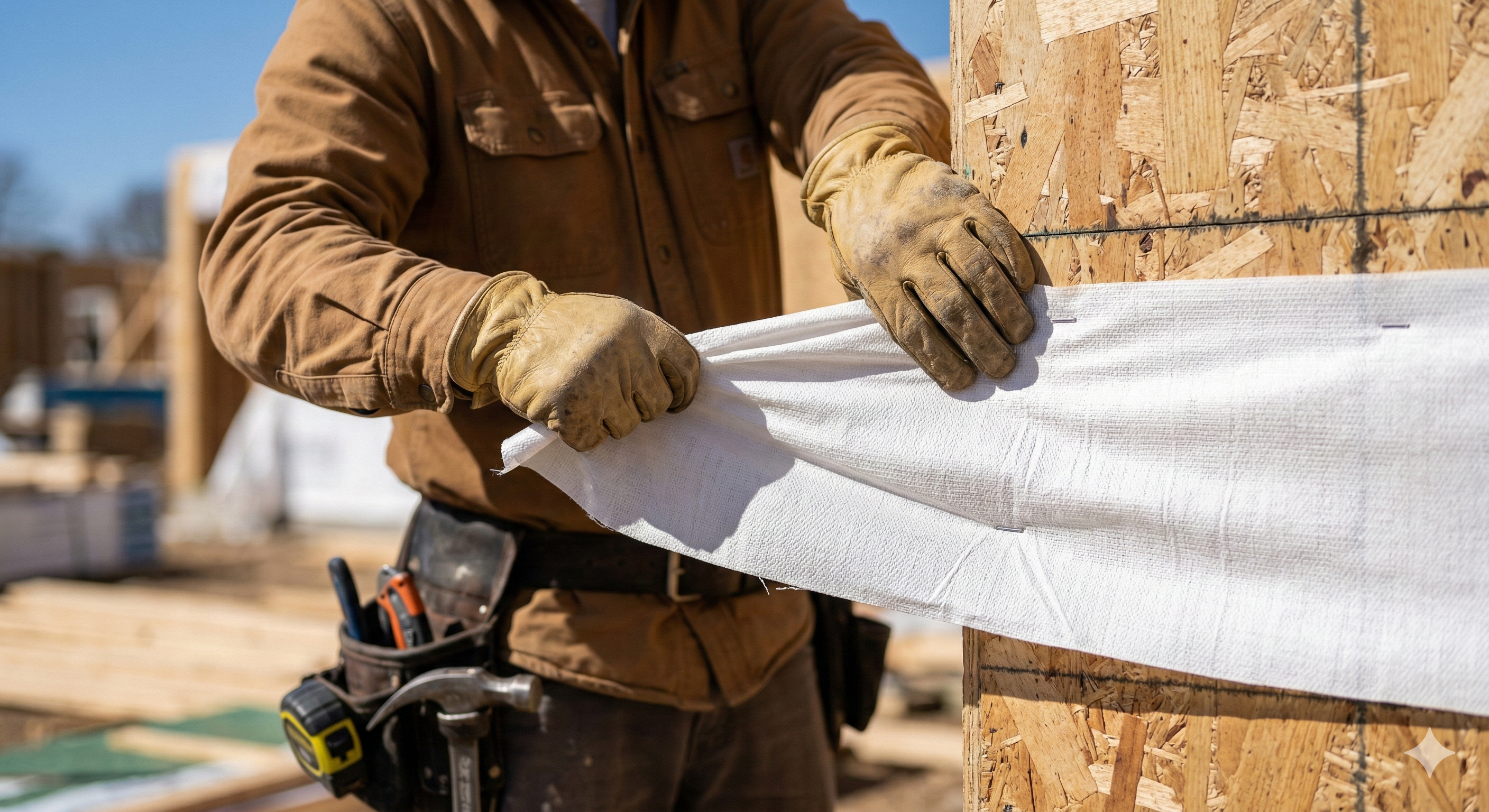
Tear strength determines how well the product survives the job site. House wrap takes a beating during installation. Workers handle it in wind, secure it with fasteners, and work around it while framing windows and doors. A wrap that tears easily means more patching, more waste, and more potential leak points.
UV resistance matters if there will be any delay between wrapping the house and installing siding. Most wraps can handle 30 to 90 days of UV exposure, but some products offer up to 120 days or more. If your siding crew is weeks away from starting, you need a wrap that will not degrade in the sun.
Ease of installation affects labor cost and job site efficiency. Lightweight rolls that lay flat, unroll smoothly, and hold their position in wind save time and reduce frustration on the crew.
Code compliance is non negotiable. The wrap must meet or exceed the requirements of the International Residential Code (IRC) for weather resistant barriers. Always verify that the product you choose carries the right certifications and test results.
Top Tyvek Alternatives Worth Considering
BCP WrapSecure
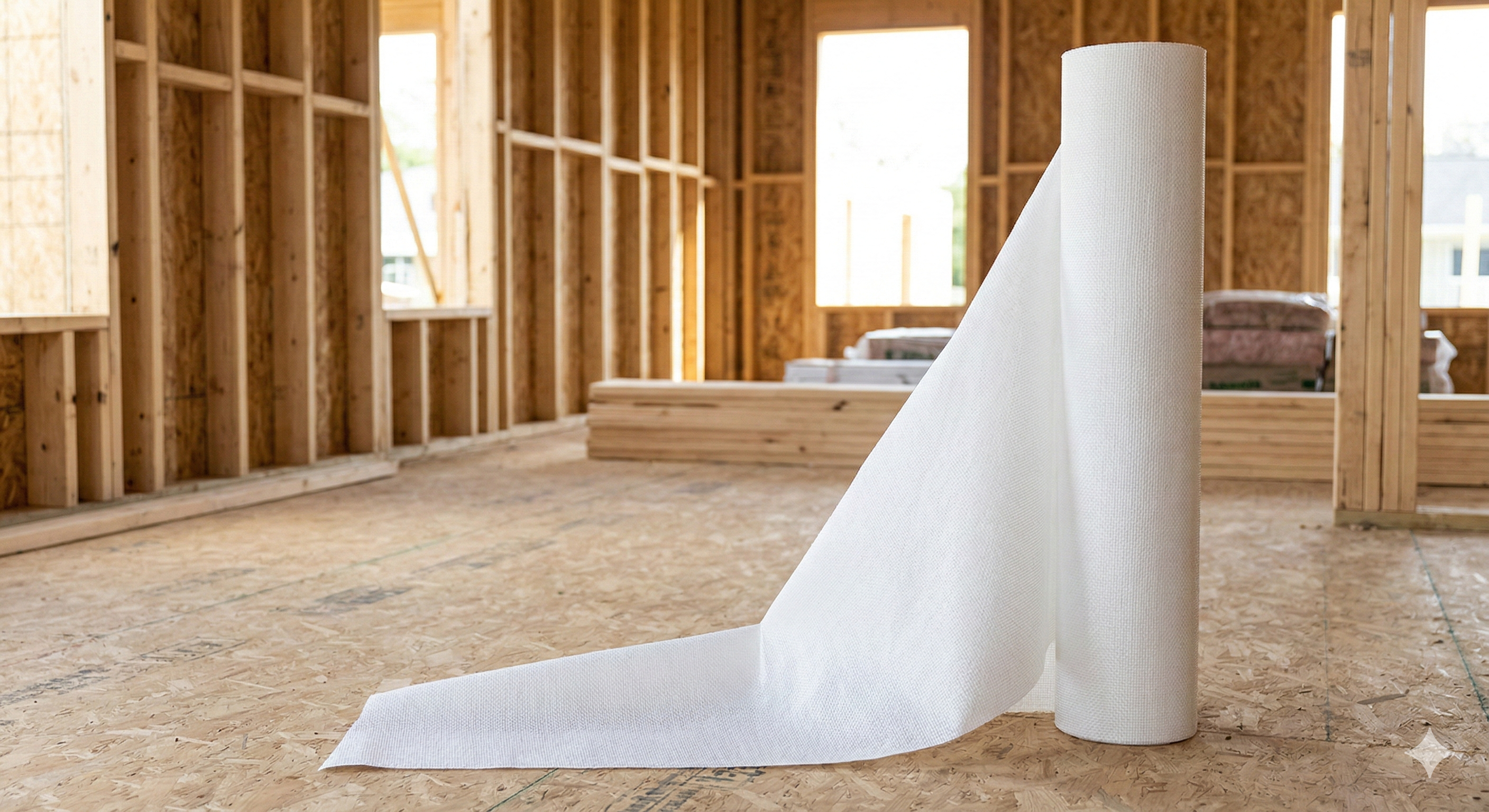
BCP WrapSecure is a woven synthetic house wrap built for contractors who want strong performance without the premium price tag. It delivers reliable water resistance, solid tear strength, and good vapor permeability in a lightweight roll that installs quickly.
What sets WrapSecure apart is the balance it strikes between durability and affordability. The woven polypropylene construction resists tearing even on busy job sites, and the material lays flat without wrinkling or bunching during installation. It works well under vinyl, fiber cement, wood, and composite siding.
WrapSecure is a strong fit for residential and light commercial projects where you need dependable protection without overspending on a brand name. It meets code requirements for weather resistant barriers and integrates cleanly with standard flashing and tape systems.
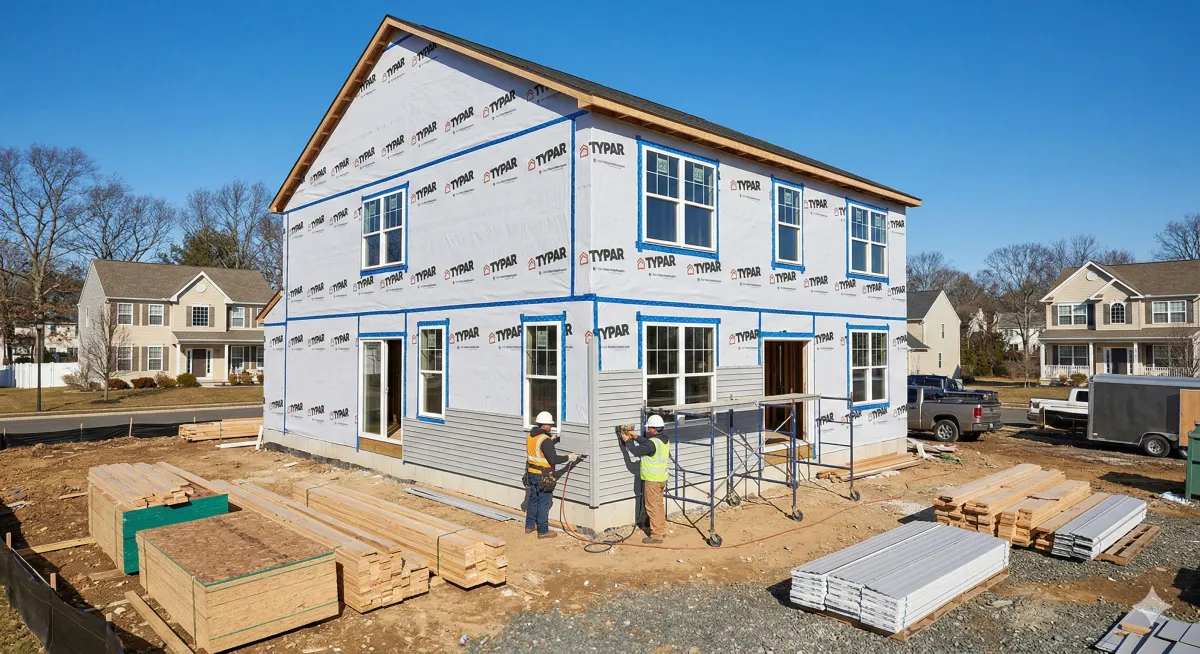
Typar
Typar is one of the most established Tyvek competitors. It is a spun bond polypropylene wrap that has been on the market for years. It is affordable, lightweight, and easy to install. Typar works well for budget conscious projects and standard residential construction. Its main trade off compared to higher end wraps is slightly lower tear strength.
Generic Woven Polyolefin Wraps
Several manufacturers produce unbranded or store brand woven polyolefin house wraps. These products use similar materials and manufacturing processes as branded options. They are often the cheapest available and meet basic code requirements. However, quality can vary between manufacturers, so always check the test data and certifications before buying.
Integrated Sheathing and WRB Panels
Products like ZIP System combine the sheathing and weather resistant barrier into a single panel. Instead of wrapping the house after the sheathing goes up, the WRB is already built into the board. This eliminates the need for a separate house wrap installation and can speed up the building process. The trade off is a higher upfront material cost and the need for special tape to seal the seams.
How BCP WrapSecure Compares to Tyvek
Both products do the same job, but there are differences worth noting.
Price. WrapSecure costs less per roll than Tyvek. On a single home the savings might be modest, but across a multi unit project the difference is meaningful.
Tear strength. Both products hold up well during installation. WrapSecure uses a woven construction that resists tearing from fasteners and rough handling. Tyvek uses a spun bond construction that is also strong but handles differently on the job site.
Vapor permeability. Both products allow moisture vapor to pass through at rates that meet code requirements. Neither traps moisture inside the wall cavity when installed correctly.
Water resistance. Both products shed water effectively and prevent liquid moisture from reaching the sheathing.
UV exposure. Check the specific product specs for each. Exposure ratings vary between product lines for both brands.
Availability. BCP WrapSecure is available direct and through distributors with competitive lead times. Tyvek is widely available but can face stock shortages during peak building season.
The bottom line is that for most residential and commercial projects, WrapSecure gives you the same functional protection as Tyvek at a lower cost. You are not giving up performance. You are getting smarter about where your material budget goes.
Common Mistakes When Switching House Wrap Brands
If you are trying a new house wrap for the first time, avoid these common errors.
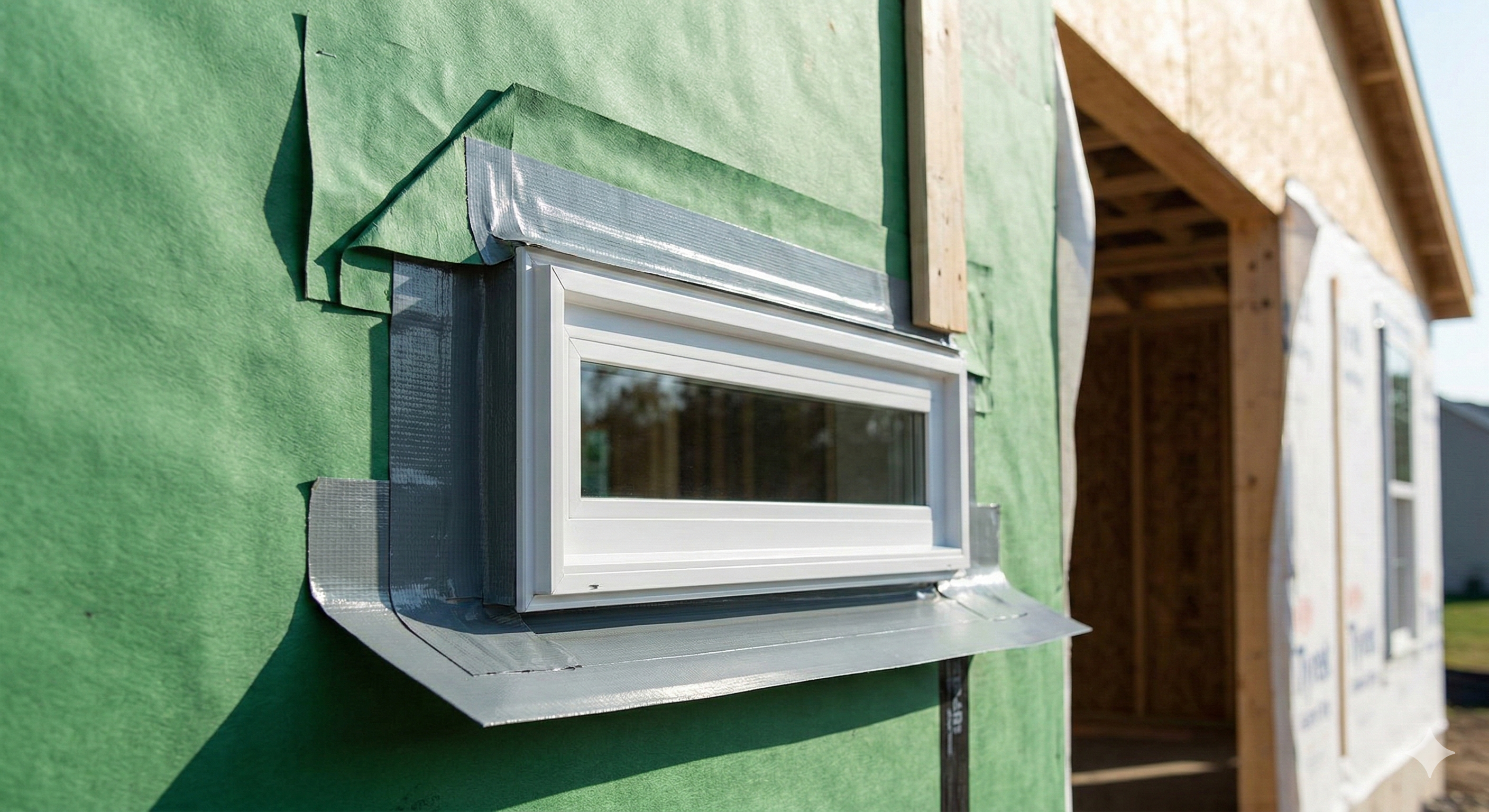
Not checking tape compatibility. Different wraps work best with different tapes. Using the wrong seam tape can lead to poor adhesion and failed seals. Always use the tape recommended by the wrap manufacturer or verify compatibility before you start.
Skipping the spec sheet. Every house wrap has different ratings for water resistance, tear strength, vapor permeability, and UV exposure. Do not assume all wraps are the same just because they look similar on the roll. Read the technical data before buying.
Leaving the wrap exposed too long. Just because one brand lasted 90 days in the sun does not mean the next one will. Check the UV rating on the new product and adjust your construction schedule if needed.
Not adjusting overlap for the product. Most house wraps require 6 to 12 inches of horizontal overlap, but some products have specific recommendations. Follow the manufacturer's installation guide for the product you are using.
Frequently Asked Questions
Is Tyvek still the best house wrap? Tyvek is a solid product with a long track record. But "best" depends on your project needs and budget. Several alternatives now match Tyvek in performance while costing less. The best house wrap is the one that meets code, fits your budget, and performs in your climate.
Can I use a different brand of house wrap than what my builder usually uses? Yes, as long as the product meets local building code requirements and is compatible with your siding and flashing system. Most inspectors approve any house wrap that carries the right certifications.
Does switching house wrap brands affect my siding warranty? It should not, as long as the wrap meets the siding manufacturer's requirements for a weather resistant barrier. Check the siding warranty documentation to confirm.
How much can I save by switching from Tyvek to an alternative? Savings vary by product and project size. On a typical single family home, the material savings might be $50 to $150. On a large multi unit project, the savings can reach thousands of dollars without any loss in protection.
Get the Same Protection for Less
You do not have to pay a premium for a name when the performance is the same. BCP WrapSecure gives you the tear strength, water resistance, and vapor permeability your project needs at a price that makes sense for your bottom line.
Whether you are wrapping a single family home or a large development, WrapSecure is built to handle the job site and protect the building for the long haul.
Ready to try it? Call us at 877-540-5678 or visit bcpinc.us to learn more about WrapSecure and request bulk pricing.
