What Is a Silt Fence and When Your Job Site Needs One
What Is a Silt Fence and When Does Your Job Site Need One?
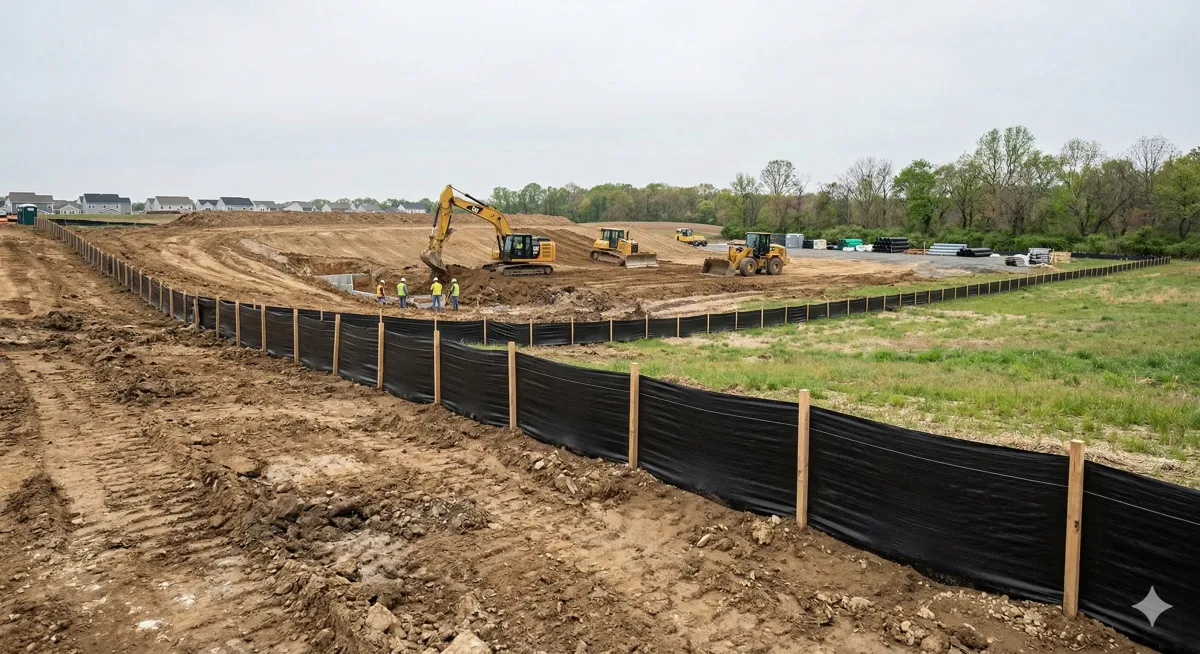
If you have ever driven past a construction site, you have probably seen a low, dark fabric fence running along the edge of the property. That is a silt fence, and it plays a bigger role than most people realize.
Silt fences are one of the most widely used erosion control tools in the construction industry. They are required by law on most job sites, and when installed correctly, they prevent thousands of pounds of sediment from washing into nearby streams, storm drains, and neighborhoods.
In this guide, we will cover what a silt fence is, when you need one, the different types available, how to install one properly, and what happens if you skip it.
What Is a Silt Fence?
A silt fence is a temporary barrier made from woven geotextile fabric attached to wooden or metal posts. It is installed at the low points of a construction site where stormwater runoff is most likely to carry loose soil off the property.
The fabric is designed to let water pass through slowly while trapping sediment particles on the uphill side. Over time, the trapped soil builds up behind the fence while cleaner water filters through to the other side.
Think of it as a strainer for your job site. Water gets through, but the dirt stays put.
Silt fences are not permanent structures. They are used during the construction phase while the ground is disturbed and exposed. Once the site is stabilized with pavement, landscaping, or permanent ground cover, the silt fence is removed.
Why Silt Fences Matter
Loose soil from a construction site is one of the biggest sources of water pollution during the building process. When rain hits exposed dirt, it picks up sediment and carries it downhill. Without a barrier, that sediment ends up in storm drains, creeks, rivers, and lakes.
Sediment pollution harms aquatic life by reducing water clarity and disrupting habitats. It clogs drainage systems, increases flooding risk, and can damage neighboring properties. It is not just an environmental problem. It is a legal and financial one too.
The EPA and most state environmental agencies enforce strict rules about sediment control on construction sites. Failing to install proper erosion control measures like silt fences can result in fines, stop work orders, and project delays. On larger projects, violations can cost tens of thousands of dollars.
A properly installed silt fence keeps your site compliant, protects the surrounding area, and avoids costly penalties.
When Is a Silt Fence Required?
Most local and state regulations require silt fences on construction sites that disturb the soil. Here are the most common situations where you need one.
Any project that disturbs more than one acre of land. Under the EPA's Construction General Permit, sites that disturb one acre or more must have a Stormwater Pollution Prevention Plan (SWPPP), and silt fences are one of the most common best management practices (BMPs) included in these plans.
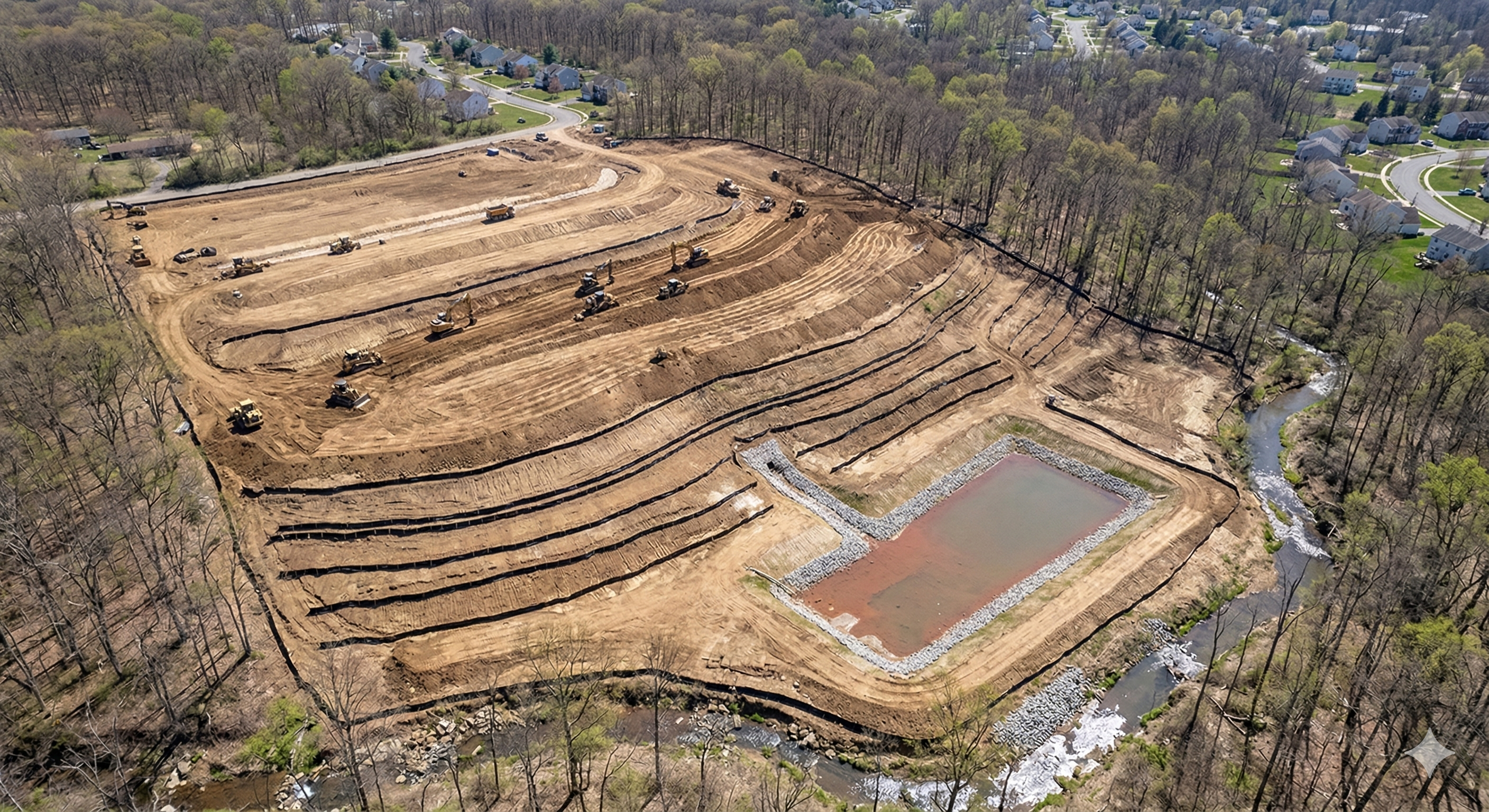
Sites located near water bodies. If your project is near a stream, river, lake, wetland, or storm drain, silt fencing is almost always required regardless of the project size.
Sloped sites where runoff is a concern. Even on smaller projects, any time you have exposed soil on a slope that drains toward a road, neighboring property, or waterway, a silt fence should be installed at the base of the slope.
Residential construction and renovation. Many local codes require silt fences around home building sites, especially in subdivisions where multiple lots are being graded at the same time.
The EPA recommends a general rule of at least 100 feet of silt fence for every 10,000 square feet of disturbed area. Your specific requirements will depend on the slope, soil type, and local regulations.
Types of Silt Fence
Not all silt fences are the same. The type you need depends on your site conditions.
Standard Silt Fence
This is the most common type. It consists of woven geotextile fabric attached to wooden stakes, usually spaced 6 to 8 feet apart. Standard silt fence works well for residential sites, small commercial projects, and areas with gentle to moderate slopes where water flows as sheet runoff rather than concentrated streams.
At BCP Inc., our Standard Silt Fence comes with pre-attached stakes for faster installation. The polypropylene fabric is UV stabilized for up to 12 months of outdoor exposure and meets DOT specifications for sediment control.
Reinforced (Wire Backed) Silt Fence
This type adds a layer of wire mesh or chain link backing behind the geotextile fabric. The metal reinforcement gives the fence extra strength to handle heavier sediment loads, steeper slopes, and areas with higher water flow.
Reinforced silt fence is commonly used on large commercial and infrastructure projects where standard fencing might not hold up under heavy conditions. It costs more but lasts longer and requires less maintenance in demanding environments.
Super Silt Fence
Super silt fence combines metal posts, chain link fencing, and geotextile fabric into a heavy duty barrier designed for the toughest sites. It is used on large scale earth moving projects, highway construction, and sites with significant drainage challenges.
Floating Silt Fence (Turbidity Barrier)
This specialized type is designed for use in water. It has a floating top support and a weighted bottom that hangs below the surface to contain sediment near dredging operations, shoreline construction, or bridge work over waterways.
How to Install a Silt Fence
Proper installation is the single biggest factor in whether a silt fence works or fails. A poorly installed fence is worse than no fence at all because it gives a false sense of compliance while sediment washes right past it.
Here is how to do it right.
Step 1: Plan the layout. Install the silt fence along the contour of the slope, not up and down it. The fence should run across the path of water flow, creating a barrier that slows runoff and lets sediment settle out. Avoid long straight runs longer than 100 feet without a break. Use J hooks (curved fence ends that point uphill) to create small ponding areas and prevent water from flowing around the ends.
Step 2: Dig the trench. Excavate a trench at least 6 inches deep and 6 inches wide along the line where the fence will go. This trench is where the bottom of the fabric will be buried to prevent water from flowing underneath.
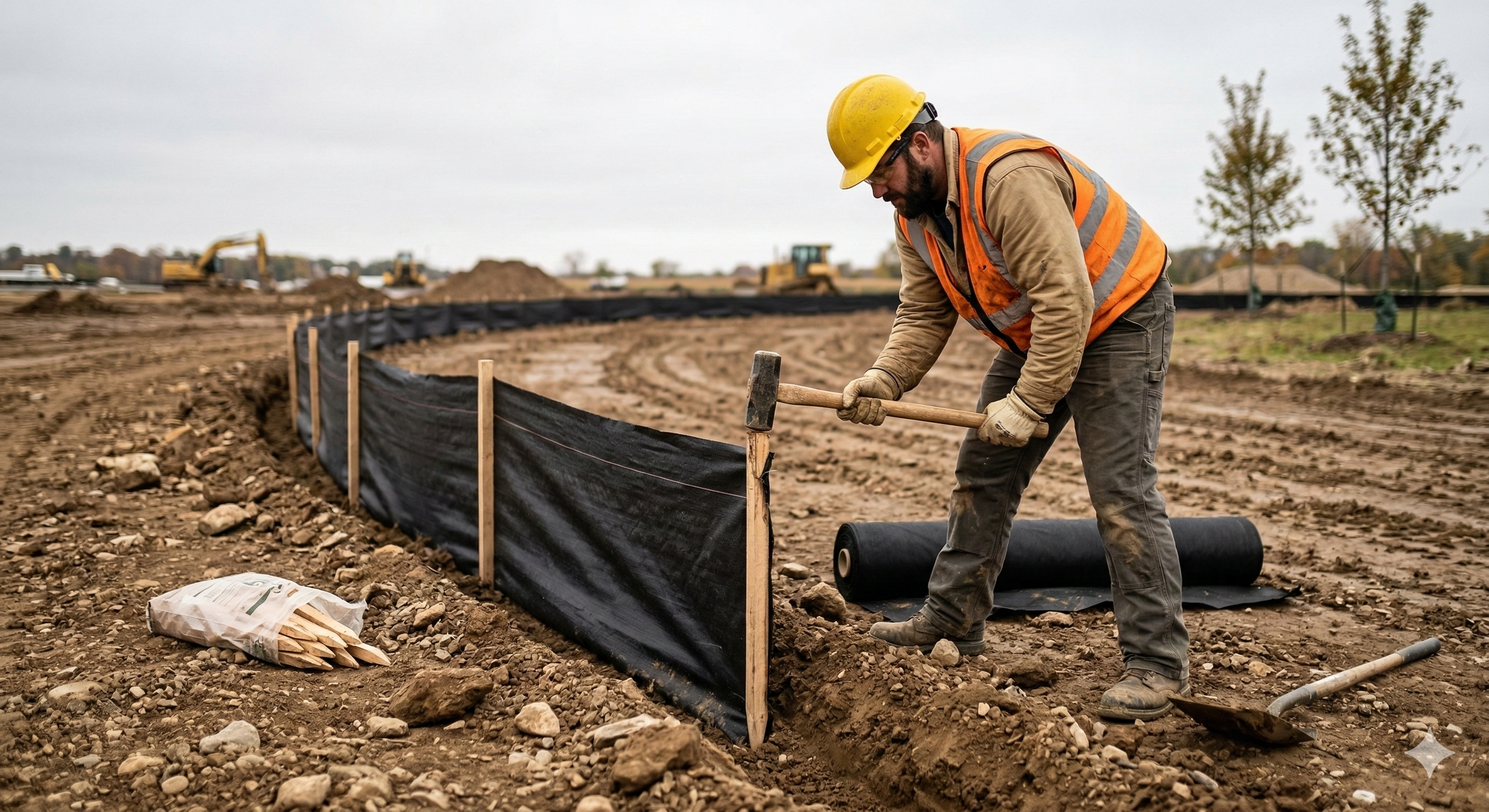
Step 3: Set the stakes. Drive wooden or metal stakes into the ground on the downhill side of the trench at least 18 inches deep. Space stakes 6 to 8 feet apart. On steeper slopes or high flow areas, reduce the spacing to 4 to 6 feet for extra strength.
Step 4: Attach the fabric. Unroll the silt fence fabric and attach it to the downhill side of the stakes using heavy duty staples or wire. Make sure the bottom 8 to 12 inches of fabric extends into the trench.
Step 5: Bury the fabric. Backfill the trench with the excavated soil and compact it firmly over the buried fabric. This step is critical. If the soil is not compacted properly, water will erode underneath the fence and carry sediment past it.
Step 6: Overlap the joints. Where two sections of fabric meet, overlap them by at least 6 inches and wrap the fabric around a shared stake to prevent gaps.
Silt Fence Maintenance
Installing the fence is only half the job. Regular maintenance keeps it working.
Inspect the fence after every significant rainfall and at least once a week during active construction. Look for tears, sagging sections, undercut areas where water has flowed beneath the fabric, and sediment buildup.
Remove accumulated sediment whenever it reaches one third of the fence height. If sediment gets too high, the weight can pull the fence down or force water to flow over the top, defeating the purpose.
Replace the fabric every 6 to 8 months or sooner if it shows signs of UV degradation, tearing, or clogging. The stakes and posts can often be reused.
Document all inspections and repairs. Many SWPPP plans require written records of erosion control maintenance, and inspectors may ask to see them during site visits.
Common Silt Fence Mistakes to Avoid
Installing it up and down the slope instead of along the contour. This channels water along the fence instead of catching it, causing erosion alongside the barrier.
Not burying the bottom of the fabric. If the fabric sits on top of the ground, water flows right under it and takes sediment with it.
Running the fence too long without breaks. Long, continuous runs collect too much water in one spot and overwhelm the fence. Use J hooks and breaks to distribute the load.
Skipping inspections after storms. One heavy rain can damage or bury a silt fence. If you do not check it after every storm, you will not catch problems before the next inspection.
Letting sediment pile up too high. A silt fence with sediment above the one third line is under stress and likely to fail.
Frequently Asked Questions
How much does a silt fence cost? Standard silt fence with pre-attached stakes typically runs $40 to $60 per 100 foot roll at supply stores. Reinforced and wire backed options cost more. The total cost for a project depends on how much linear footage you need and whether you are installing it yourself or hiring a crew.
How long does a silt fence last? The geotextile fabric typically lasts 6 to 12 months depending on UV exposure, weather conditions, and sediment load. Stakes and posts can be reused when the fabric is replaced.
Can I install a silt fence myself? For small residential projects, yes. For larger commercial or regulated sites, professional installation is recommended to make sure the fence meets code and your SWPPP requirements.
What is the difference between a silt fence and an erosion control blanket? A silt fence catches sediment that has already been picked up by runoff. An erosion control blanket prevents soil from being eroded in the first place by covering and stabilizing the ground surface. Many sites use both together for full protection.
Keep Your Job Site Compliant and Clean
Silt fences are simple, affordable, and effective when installed correctly. They protect waterways, keep your project in compliance, and prevent costly fines and delays.
At BCP Inc., we supply construction grade silt fence with pre-attached stakes, UV stabilized polypropylene fabric, and DOT spec compliance built in. Whether you need fencing for a single lot or a multi-acre development, we deliver the product and the volume you need.
Ready to order? Call us at 877-540-5678 or visit bcpinc.us to learn more and request bulk pricing.
