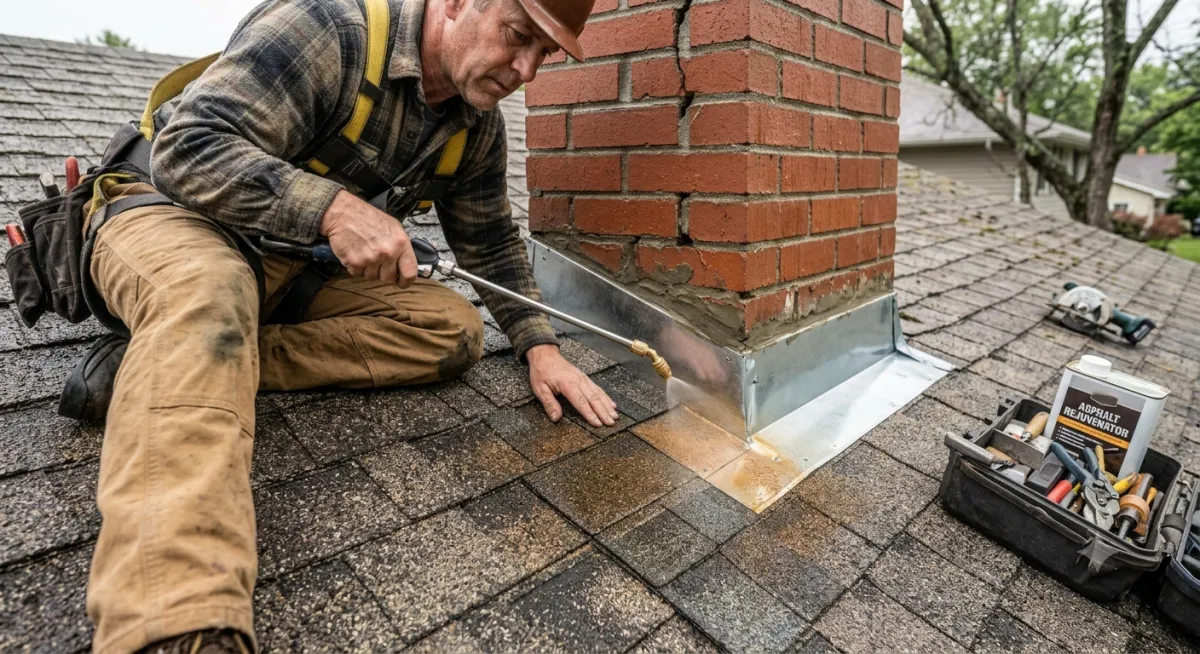
Can Roof Rejuvenation Fix Leaks? What to Know
Can Roof Rejuvenation Fix Leaks? What It Can and Can't Do
No, roof rejuvenation cannot fix a leaking roof. Rejuvenation is a preventive treatment that restores flexibility and water resistance to aging but still-sound asphalt shingles; it is not a repair for a roof that is already leaking. If your roof is actively leaking, it has damage, cracked, curled, or missing shingles, failed flashing, or a compromised deck, that needs to be repaired or replaced, and no penetrating treatment will seal an existing leak. Where rejuvenation helps is earlier: on a sound roof that is drying out, it restores the shingles and helps prevent the cracking that leads to leaks down the road. Understanding this distinction saves you from spending money on the wrong solution.
Below we explain why rejuvenation cannot fix leaks, what actually causes roof leaks, what rejuvenation does do, and how to tell whether your roof needs repair, replacement, or rejuvenation.
Why rejuvenation can't fix a leak
Roof rejuvenation works by restoring the natural oils that asphalt shingles lose as they age. A penetrating treatment soaks into the shingle and brings back flexibility and water resistance. That is genuinely useful, but it addresses the condition of the shingle, not holes or gaps in the roof.
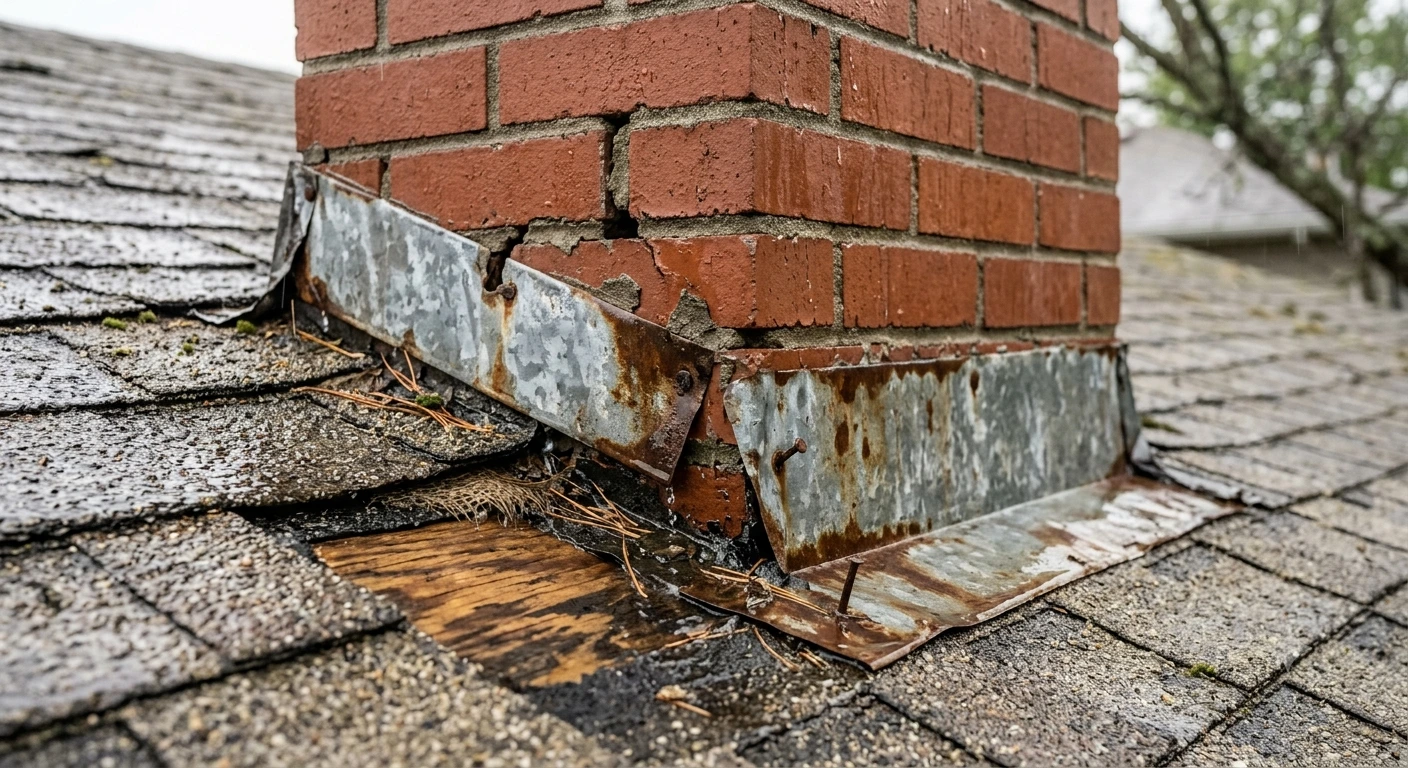
A leak means water is already getting through, past the shingles, past the underlayment, and into the deck or the home. That happens because of a physical failure: a cracked or missing shingle, a puncture, failed flashing around a chimney or vent, a gap at a valley, or deteriorated decking. Rejuvenation does none of the things that would fix those. It does not fill cracks, it does not replace missing shingles, it does not reseal flashing, and it does not patch the deck. It restores flexibility to shingles that are still intact.
Put simply: rejuvenation conditions the shingle; it does not seal a breach. If water is already getting in, the breach has to be repaired.
For the full picture of what rejuvenation is, see our guide on what roof rejuvenation is.
What actually causes roof leaks
Understanding what causes leaks makes it clear why a treatment cannot fix them. The common causes:
Cracked, curled, or broken shingles that let water through the roof surface.
Missing shingles from wind or age, leaving the underlayment or deck exposed.
Failed flashing around chimneys, skylights, vents, and wall intersections, one of the most common leak sources.
Valley problems where the highest water flow concentrates.
Damaged or clogged areas where water backs up and gets under the shingles.
Deteriorated decking or underlayment that no longer keeps water out.
Ice dams in cold climates forcing water back under the shingles.
Every one of these is a physical repair issue. Fixing them means replacing shingles, resealing or replacing flashing, or in bigger cases, replacing sections of the roof. A treatment sprayed on top does not address any of them.
What roof rejuvenation actually does
So if it does not fix leaks, what is rejuvenation good for? It is a preventive, life-extending treatment for roofs that are aging but still sound:
Restores flexibility to shingles that have dried out and stiffened with age.
Slows granule loss by keeping shingles supple.
Improves water resistance of the existing, intact shingles.
Extends roof life by several years, delaying the need for replacement.
The key word throughout is sound. Rejuvenation works on a roof whose shingles are aging and drying but are still flat, intact, and doing their job, before cracks and failures set in. Applied at the right time, it can help prevent the deterioration that eventually causes leaks. But once a leak exists, that window has passed for the affected area.
Repair, replace, or rejuvenate? How to tell
Here is how to figure out which your roof actually needs.
If you have a leak, the first step is a repair to stop the water. If the roof is otherwise sound after the repair, it could still be a candidate for rejuvenation later to extend the rest of its life. If the leak is one of many signs of a failing roof, replacement is the answer. For that decision, see our guide on roof rejuvenation vs replacement.
The right sequence: fix first, then protect
Here is the honest, practical way to think about it. If your roof leaks:
Find and repair the leak first. Stop the water and fix the physical cause, whether that is a shingle, flashing, or a section of deck.
Assess the overall roof. Is this an isolated issue on an otherwise sound roof, or a sign the roof is failing?
If the roof is sound apart from the repair, rejuvenation can then help extend the life of the remaining good shingles going forward.
If the roof is failing, put the money toward replacement rather than a treatment.
Rejuvenation is a tool for a sound roof, not a rescue for a failing one. Trying to use it to fix a leak wastes money and leaves the actual problem unsolved.
Get honest advice on your roof
At BCP Inc., we supply Shingle Serum, a bio-based rejuvenation treatment for asphalt shingle roofs that are aging but still sound. We will also tell you honestly when rejuvenation is not the answer, if your roof is leaking, it needs repair first, and we would rather point you the right way than sell you the wrong solution.
If you are not sure whether your roof needs repair, replacement, or rejuvenation, call us at 877-540-5678 or visit bcpinc.us and we will help you figure it out.
Frequently asked questions
Can roof rejuvenation fix a leak? No. Rejuvenation restores flexibility to aging but sound shingles; it does not seal existing leaks. A leak means physical damage, cracked or missing shingles, failed flashing, or a compromised deck, that must be repaired. Rejuvenation is preventive, not a repair.
Can roof rejuvenation prevent leaks? Indirectly, yes. By restoring flexibility and water resistance to aging shingles before they crack, rejuvenation can help prevent the deterioration that eventually leads to leaks. But it only works on sound shingles applied before failure, not after a leak has started.
What should I do if my roof is leaking? Have the leak found and repaired first to stop the water and fix the physical cause. Then assess whether the roof is otherwise sound (a candidate for rejuvenation later) or failing (needs replacement). Do not rely on a treatment to fix an active leak.
Is roof rejuvenation a waste of money if my roof leaks? Applied to a leaking roof to try to fix the leak, yes, it will not work. But once the leak is repaired and if the rest of the roof is sound, rejuvenation can be a worthwhile way to extend the life of the remaining good shingles.
How do I know if my roof needs repair or replacement? An isolated leak on an otherwise sound roof usually needs a repair. Widespread cracking, curling, missing shingles, multiple leaks, or a roof at the end of its life point to replacement. A roof inspection confirms which situation you are in.
Does rejuvenation work on any part of a roof that is still good? Yes. On the sound, intact areas of an asphalt shingle roof, rejuvenation restores flexibility and extends life. It just cannot be used to seal or repair the damaged, leaking areas, those need physical repair.
