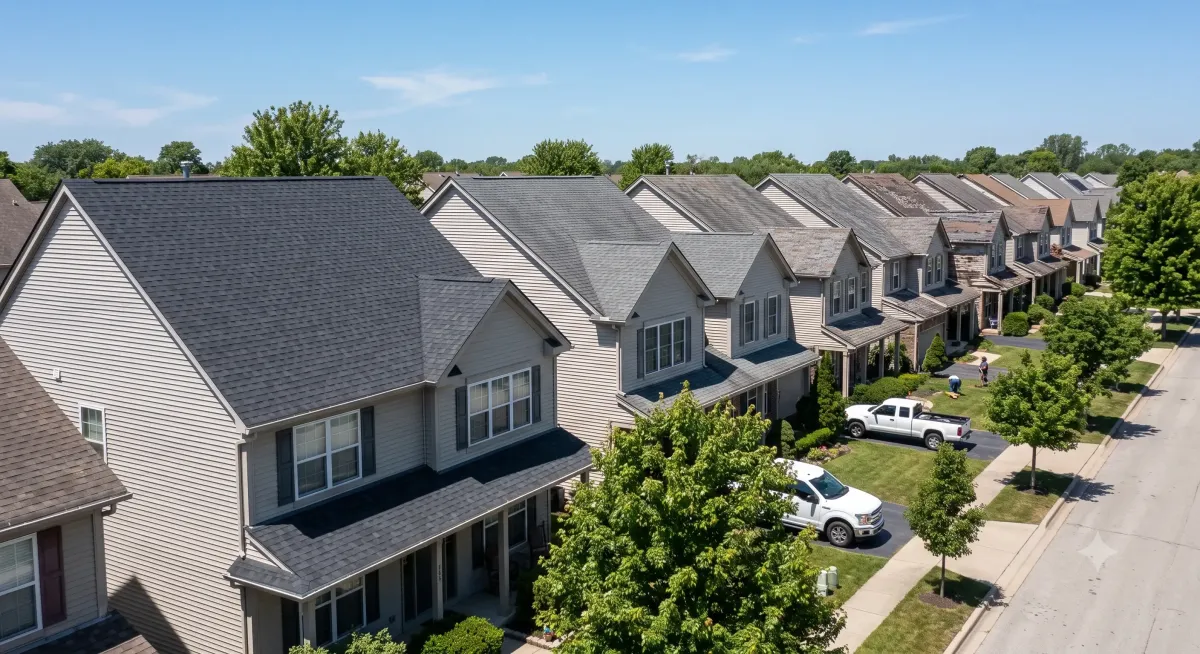
How Long Does a Roof Last? Lifespan by Material
How Long Does a Roof Last? Lifespan by Material
Most asphalt shingle roofs last 20 to 30 years, though the exact lifespan depends on the material, the climate, the quality of installation, and how well the roof is maintained. Three-tab asphalt shingles typically last 15 to 20 years, architectural shingles 25 to 30, metal roofs 40 to 70, and tile or slate can last 50 to 100 years or more. Regular maintenance and good attic ventilation can push a roof toward the top of its range, while neglect, poor installation, and harsh weather pull it toward the bottom. Knowing where your roof is in its lifespan helps you plan ahead and avoid the surprise of a sudden failure.
This guide breaks down how long each roofing material lasts, what shortens or extends a roof's life, the signs your roof is aging, and what you can do to get the most years out of it.
Roof lifespan by material
The single biggest factor in how long a roof lasts is what it is made of. Here is what to expect from the common roofing materials.
Since asphalt shingles cover the large majority of homes, most homeowners are working with a 15 to 30 year window depending on whether they have basic three-tab or thicker architectural shingles.
What determines how long a roof lasts?
Two identical roofs can last very different amounts of time depending on a handful of factors.
Material quality. Thicker, higher-grade shingles last longer than thin economy ones. Architectural shingles outlast three-tab because they are heavier and more weather resistant.
Climate and weather. Harsh sun, wide temperature swings, heavy snow, hail, and high winds all age a roof faster. A roof in a mild climate can outlast the same roof in a punishing one by years.
Installation quality. A properly installed roof lasts much longer than a poorly installed one. Bad nailing, missing underlayment, poor flashing, and skipped details all lead to early failure. This is why hiring a good installer matters as much as the material.
Attic ventilation. This one is underrated. A poorly ventilated attic traps heat and moisture, which bakes shingles from below and speeds up aging. Good ventilation can add years to a roof's life.
Sun exposure and orientation. South-facing slopes and roofs with no shade take more UV punishment and often wear out first.
Maintenance. A roof that gets inspected, cleaned, and repaired promptly lasts longer than one left to fend for itself. Small problems caught early do not become big ones.
The role of the sun: why shingles age
For asphalt shingles specifically, the main enemy is the sun. Shingles are made of an asphalt-saturated mat, and that asphalt is full of oils that keep the shingle flexible and waterproof. Over years of sun and heat, those oils bake out. The shingle dries, gets brittle, starts shedding its protective granules, and eventually cracks. Once cracks form, water gets in and the roof's life is nearly over.
This drying process is why two roofs of the same age can be in very different shape, the one that took more sun and heat aged faster. It is also why maintenance and, in some cases, treatments that restore those lost oils can extend a roof's usable life. More on that below.
Signs your roof is nearing the end
Rather than guessing from age alone, watch for these signs that a roof is wearing out:
Curling or cupping shingles, edges lifting or the center dishing.
Cracked or brittle shingles that break rather than flex.
Bald spots where granules have worn away, often with granules collecting in gutters.
Faded, dried-out appearance across the roof.
Missing shingles after storms, or shingles that no longer lie flat.
Leaks or water stains on interior ceilings.
Daylight or moisture in the attic.
A sagging roofline, which points to structural or decking problems.
A roof showing several of these, especially leaks or widespread cracking, is at or near the end. A roof that is simply aging and drying but still intact may have options to extend its life.

How to make your roof last longer
You have more control over your roof's lifespan than you might think. To get the most years out of it:
Keep the attic well ventilated. This is one of the highest-impact things you can do. Proper airflow keeps heat and moisture from cooking the shingles from below.
Inspect regularly and fix small issues fast. A missing shingle or bit of failed flashing is cheap to fix now and expensive to ignore.
Keep gutters clean. Clogged gutters back up water onto the roof edge, which rots decking and fascia.
Trim overhanging branches. They drop debris, hold moisture against the roof, and scrape shingles in the wind.
Address moss and algae. These hold moisture and degrade shingles over time.
Consider roof rejuvenation for aging shingles. If your asphalt shingles are drying out but still sound, a rejuvenation treatment can restore lost flexibility and add years of life, at a fraction of the cost of replacement.
Can you extend a roof's life instead of replacing it?
Yes, often. If a roof has reached the end (widespread failure, leaks, structural issues), replacement is the answer. But if the shingles are aging and dried out but still structurally sound, a roof rejuvenation treatment can restore the oils they have lost and extend their service life by several years for a small fraction of the cost of a new roof.
This is a genuinely useful middle option that many homeowners do not know about. Rather than replacing a roof at year 18 that could have lasted longer with care, or waiting until it fails, treating a sound-but-aging roof buys time. We explain the treatment in our guide on what roof rejuvenation is, and when it makes sense versus replacing in our guide on roof rejuvenation vs replacement.
The key is knowing which situation you are in, which comes down to an honest look at the roof's condition, not just its age.
Frequently asked questions
How long does an asphalt shingle roof last? Three-tab asphalt shingles typically last 15 to 20 years, and thicker architectural shingles last 25 to 30 years. Climate, installation quality, attic ventilation, and maintenance all affect where a given roof lands in that range.
What roof lasts the longest? Slate and tile last the longest, often 50 to 100 years or more. Metal roofs last 40 to 70 years. Among common asphalt options, architectural shingles outlast three-tab.
Does a roof really last as long as the warranty says? Not always. Warranty length and real-world lifespan are different. A 30-year shingle can wear out sooner in a harsh climate, with poor ventilation, or after a bad installation. Good conditions and maintenance help it reach its rated life.
How do I know if my roof needs replacing or can be saved? Look at condition, not just age. Widespread cracking, curling, missing shingles, or leaks point to replacement. Shingles that are aging and dried out but still flat and intact may be candidates for a rejuvenation treatment that extends their life.
Can I extend the life of my roof? Yes. Good attic ventilation, regular maintenance, clean gutters, and prompt repairs all add years. For aging but sound asphalt shingles, a rejuvenation treatment can restore flexibility and extend service life for far less than replacement.
Does attic ventilation really affect roof lifespan? Yes, significantly. A poorly ventilated attic traps heat and moisture that age shingles from below and can shorten a roof's life. Proper ventilation is one of the most effective ways to help a roof reach its full lifespan.
