How Often Should You Rejuvenate a Roof?
How Often Should You Rejuvenate a Roof?
Most asphalt shingle roofs should be rejuvenated about every five years, and a quality treatment can be reapplied up to three times over a roof's life, extending its service by as much as 15 years. The right interval depends on your climate, how much sun your roof takes, and the condition of the shingles, but the general rule is to reapply every five years or so while the shingles are still sound. The key is consistency and timing: rejuvenating on a regular schedule keeps shingles flexible before they dry out and crack, while waiting too long between treatments lets the damage set in. This guide explains how often to rejuvenate, what affects the timing, and how to know when your roof is due for another treatment.
Below we cover the recommended reapplication schedule, the factors that shorten or lengthen the interval, the signs your roof is due, and how a rejuvenation schedule fits into overall roof care.
The general rule: about every five years
A single roof rejuvenation treatment restores the natural oils that aging asphalt shingles lose to sun and heat, bringing back flexibility and water resistance. That effect does not last forever, over time, the shingles gradually lose oils again, which is why rejuvenation is designed to be reapplied on a schedule rather than as a one-time fix.
For most roofs, the recommended interval is roughly every five years. A quality product like Shingle Serum carries a recommended recoat interval of five to seven years and can be applied up to three times over a roof's life. Applied on that schedule, rejuvenation can extend a roof's service life by up to 15 years compared to letting it age untreated.
Think of it like maintenance for the shingle itself, similar to how you would reseal a deck or repaint trim on a cycle rather than once and never again. Regular, spaced-out treatments keep the shingle in good condition continuously.
For the basics of how the treatment works, see our guide on what roof rejuvenation is.
What affects how often you should rejuvenate
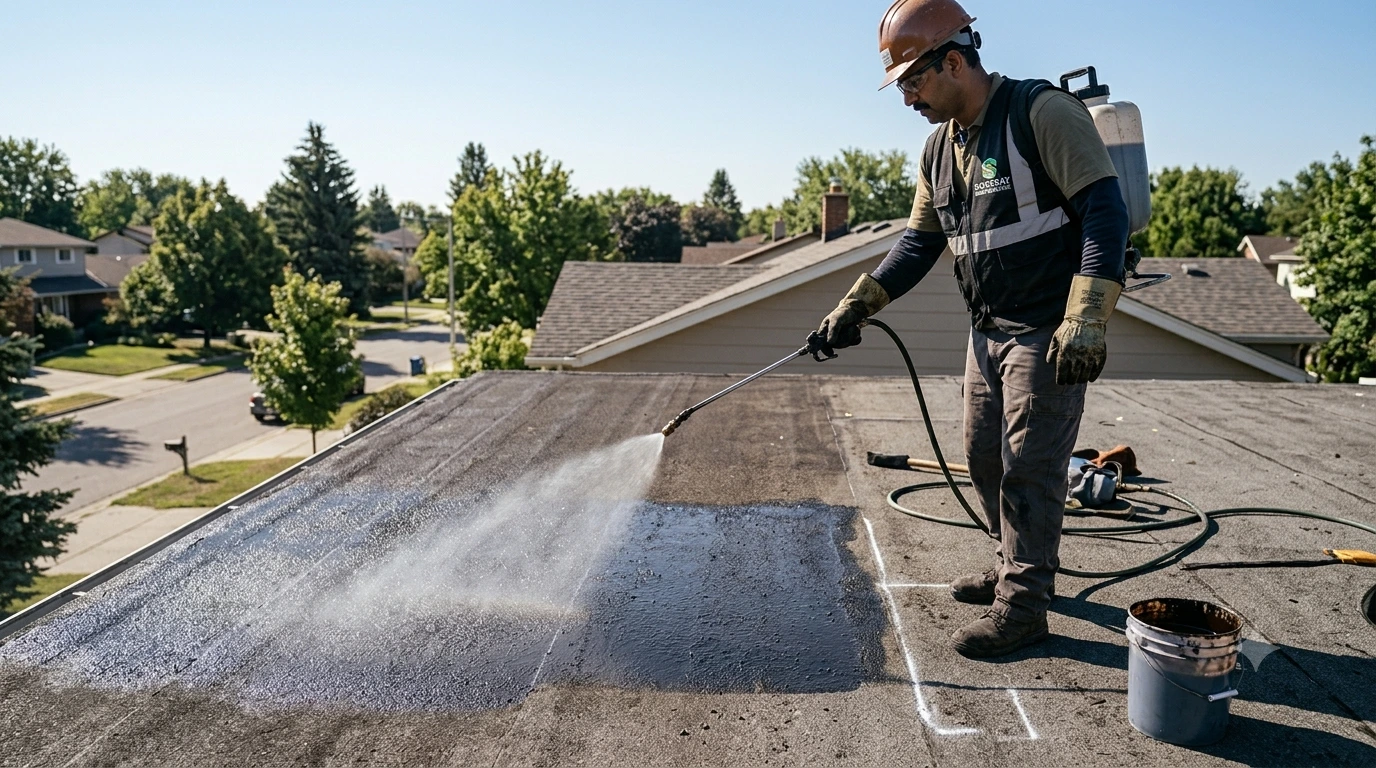
Five years is the general guideline, but several factors push the right interval shorter or longer for your specific roof.
Climate and sun exposure. This is the biggest factor. Roofs in hot, sunny climates lose their oils faster because heat and UV are what drive the drying process. A roof in Arizona or Texas may need rejuvenation closer to every four to five years, while a roof in a milder, cloudier climate may hold up closer to the longer end of the range.
Roof orientation and shade. South-facing and unshaded roofs take more sun and age faster than north-facing or shaded ones. If your roof bakes all day, lean toward the shorter interval.
Shingle age and starting condition. An older roof that was already fairly dry when first treated may benefit from more frequent attention than a newer roof treated early. The earlier you start on a sound roof, the more evenly you can space the treatments.
Shingle quality. Higher-grade architectural shingles hold their oils a bit longer than thin three-tab shingles, which can affect timing slightly.
How the roof looks between treatments. The roof itself tells you. If shingles start looking dry, faded, or begin shedding granules before the five-year mark, that is a signal to treat sooner.
Signs your roof is due for rejuvenation
Rather than relying on the calendar alone, watch the roof for these signs that it is time for another treatment:
Shingles looking dry or faded compared to how they looked after the last treatment.
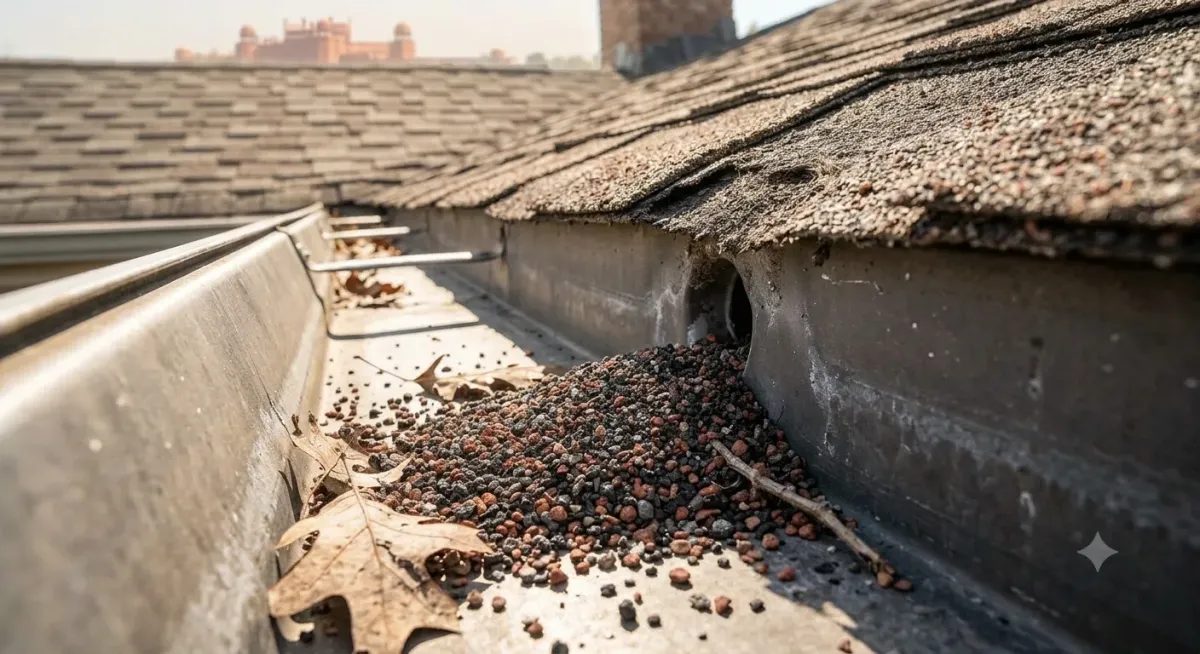
Granules starting to collect in gutters again, an early sign the shingles are drying.
A slightly rougher or duller surface where the shingles were smoother and more supple before.
It has been about five years since the last treatment, even if the roof still looks decent, staying on schedule prevents drying rather than reacting to it.
The goal is to treat while the shingles are still sound, not after they have started to crack. If you wait until you see curling or cracking, the window for rejuvenation has likely closed and you are looking at repair or replacement instead.
The reapplication schedule at a glance
This spacing is why starting early matters. A roof first treated while it is still in good shape can get the full benefit of three well-spaced treatments. A roof first treated when it is already quite dry has less runway.
Can you rejuvenate too often?
Rejuvenating more often than needed does not damage the roof, but it is not necessary and does not add proportional benefit. The oils need time to be depleted before a fresh treatment does its most useful work. Following the roughly five-year interval, adjusted for your climate and what the roof shows you, gets the value without wasting treatments. There is no benefit to treating every year, for example.
The bigger risk is the opposite: waiting too long. If you stretch the interval well past the point where shingles have dried out and started to crack, rejuvenation can no longer restore them, and you lose the chance to extend the roof.
How rejuvenation timing fits into roof care
A rejuvenation schedule works best as part of overall roof maintenance, not in isolation. Between treatments, keeping gutters clean, maintaining good attic ventilation, clearing debris, and addressing moss or algae all help the shingles last and get the most from each treatment. Good attic ventilation in particular reduces the heat that drives shingle drying, which can help extend the interval between treatments.
If your roof is aging and you are not sure whether it is still a candidate, the honest first step is an inspection. That confirms the shingles are sound enough to treat and helps set the right schedule. To understand how rejuvenation compares to simply replacing the roof, see our guide on roof rejuvenation vs replacement, and for the application side, our guide on the roof rejuvenation spray and how it is applied.
Get on the right rejuvenation schedule
At BCP Inc., we supply Shingle Serum, a bio-based rejuvenation treatment with a recommended five-to-seven-year recoat interval and a 7-year warranty on treated shingles. Whether your roof is due for its first treatment or its next, we can help you figure out the right timing for your climate and roof.
To find out whether your roof is due for rejuvenation, call us at 877-540-5678 or visit bcpinc.us to learn more.
Frequently asked questions
How often should you rejuvenate a roof? About every five years for most asphalt shingle roofs. A quality treatment can be reapplied up to three times over a roof's life, extending its service by as much as 15 years. Hot, sunny climates may call for the shorter end of the range.
How long does a roof rejuvenation treatment last? A single treatment typically lasts around five years before the shingles begin losing their restored oils again. Quality products have a recommended recoat interval of five to seven years.
Can you rejuvenate a roof more than once? Yes. Rejuvenation is designed to be reapplied, usually up to three times over a roof's life. Spaced about five years apart, these treatments can extend a roof's service life by up to 15 years.
How do I know when my roof needs rejuvenating again? Watch for shingles looking dry or faded, granules collecting in gutters, or a duller, rougher surface, and use the roughly five-year interval as a guide. Treat while the shingles are still sound, before cracking sets in.
Can you rejuvenate a roof too often? It will not harm the roof, but it is unnecessary. The shingle oils need time to deplete before a fresh treatment does its most useful work. Following the roughly five-year interval gets the value without wasting treatments.
Does climate change how often I should rejuvenate? Yes. Hot, sunny climates dry shingles faster, so roofs there may need treatment closer to every four to five years. Milder, cloudier climates can often stretch toward the longer end of the range.
What happens if I wait too long between treatments? If shingles dry out and start cracking before the next treatment, rejuvenation can no longer restore them. At that point the roof needs repair or replacement, so staying on schedule is what protects the investment.
