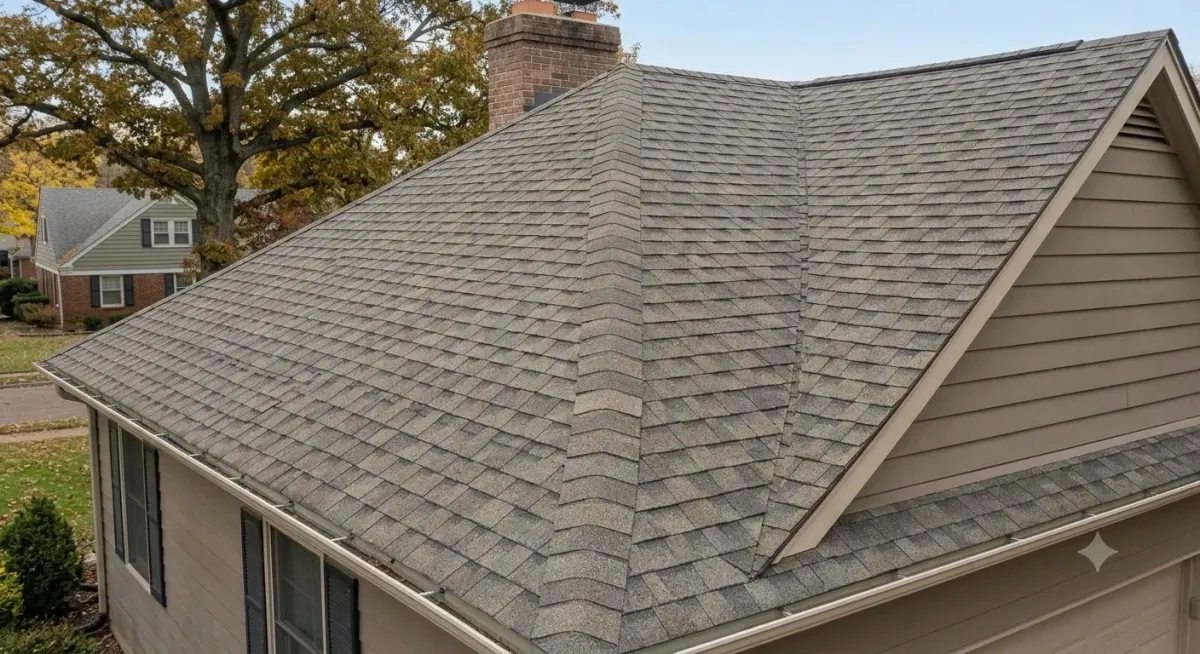
Roof Rejuvenation vs Roof Coating: The Difference
Roof Rejuvenation vs Roof Coating: What's the Difference?
Roof rejuvenation and roof coating are often confused, but they work in opposite ways. Rejuvenation is a penetrating treatment that soaks into asphalt shingles and restores the natural oils they have lost, working from within the shingle to bring back flexibility. A roof coating is a surface layer, usually acrylic, silicone, or elastomeric, that sits on top of the roof and forms a protective film over it. Rejuvenation restores the existing shingle; a coating covers it. For aging asphalt shingles that are still sound, rejuvenation is usually the better fit, while coatings are more common on flat and low-slope commercial roofs. Knowing the difference helps you pick the right treatment and avoid paying for the wrong one.
Below we explain how each works, where each is appropriate, the pros and cons, and how to choose between them for your roof.
How roof rejuvenation works
Roof rejuvenation addresses the root cause of asphalt shingle aging. Shingles are made of an asphalt-saturated mat, and that asphalt is full of oils that keep the shingle flexible and waterproof. Sun and heat bake those oils out over time, leaving the shingle dry, brittle, and prone to cracking and granule loss.
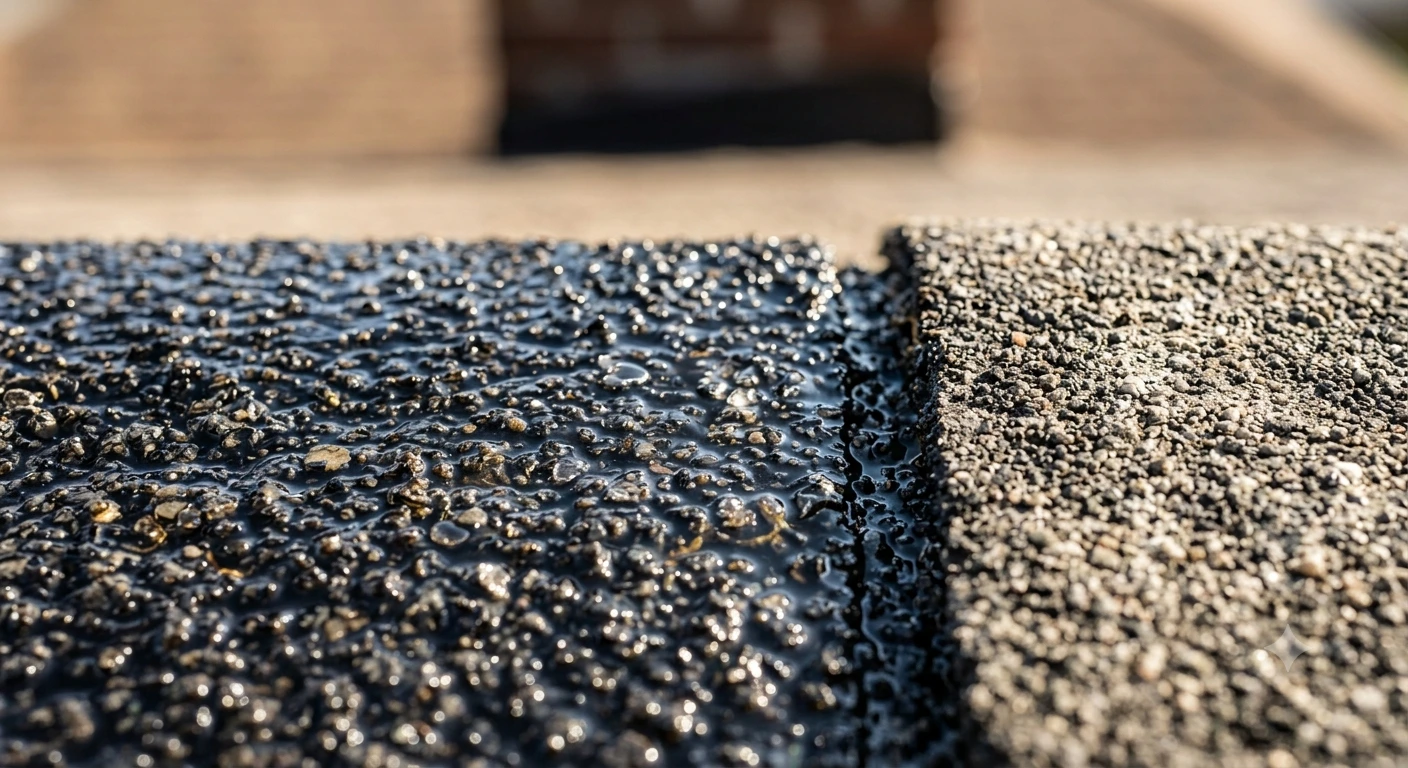
A rejuvenation treatment is a penetrating product, often a bio-based, tall-oil formula, that is sprayed onto the shingles and soaks in. It replaces the lost oils, restoring flexibility and water resistance from inside the shingle. It does not change how the roof looks; a quality product like Shingle Serum goes on milky and dries clear. The shingle itself is renewed, not covered.
Because it works within the existing shingle, rejuvenation keeps the roof looking like a normal shingle roof and preserves the shingles you already have. For the full picture, see our guide on what roof rejuvenation is.
How roof coatings work
A roof coating is a completely different approach. Instead of restoring the shingle, it adds a new protective layer on top of the roof surface. Coatings are typically liquid-applied acrylic, silicone, or elastomeric products that cure into a continuous film. That film adds a layer of waterproofing and, in the case of reflective coatings, can reduce heat absorption.
Coatings are most commonly used on flat and low-slope roofs, especially commercial buildings with membrane or metal roofing. On those roof types, a coating can extend the life of the existing surface and add reflectivity. Coatings change the appearance of the roof, usually to a uniform color (often white for reflective coatings), and they sit on top rather than soaking in.
The important distinction: a coating covers the roof with a new surface, while rejuvenation restores the material that is already there.
Rejuvenation vs coating: side by side
Why coatings usually are not right for asphalt shingles
A common question is whether you can just coat an aging asphalt shingle roof instead of rejuvenating it. Generally, this is not recommended, and here is why.
Asphalt shingle roofs are designed to shed water and to breathe. Applying a thick surface coating over shingles can trap moisture, interfere with the way the shingles are meant to lie and overlap, and add weight the roof was not designed for. It can also void some shingle manufacturer warranties. Coatings are engineered for flat and low-slope roof systems, not for sloped, overlapping shingle roofs.
For an aging shingle roof, rejuvenation is the approach designed for that specific problem: it restores the shingle from within without altering how the roof sheds water or how the shingles behave. This is why, for asphalt shingles specifically, rejuvenation is the more appropriate treatment.
Which one does your roof need?
The choice usually comes down to your roof type and its condition.
Choose rejuvenation if: you have an asphalt shingle roof that is aging and drying out but still structurally sound, no widespread cracking, curling, or leaks. Rejuvenation restores flexibility and extends the life of the shingles you have.
A coating may fit if: you have a flat or low-slope roof, a membrane roof, or a metal roof where a coating is the designed maintenance approach. Coatings are a commercial and flat-roof tool more than a residential shingle tool.
Neither is right if: the roof has already failed, widespread damage, leaks, missing shingles. At that point, neither a treatment nor a coating will save it, and replacement is the answer. To understand that decision, see our guide on roof rejuvenation vs replacement, and if you are still weighing whether rejuvenation delivers, our guide on whether roof rejuvenation really works.
Cost and value considerations
Both rejuvenation and coatings cost far less than a full roof replacement, which is their shared appeal. Between the two, the more important question is fit, not just price. Paying for a coating on a shingle roof it was not designed for is not a bargain even if the number is low, because it can cause problems and will not address the actual cause of shingle aging. Similarly, rejuvenating a flat commercial membrane roof would not make sense, that is a coating's job.
Match the treatment to the roof, and you get real value. Use the wrong one, and you have spent money without solving the problem. For an asphalt shingle home, that almost always means rejuvenation.
Get the right treatment for your roof
At BCP Inc., we supply Shingle Serum, a bio-based rejuvenation treatment made specifically for asphalt shingle roofs that are aging but still sound. It penetrates and restores the shingles from within, dries clear, and is backed by a 7-year warranty, the right tool for extending a shingle roof.
If you are not sure whether your roof needs rejuvenation, a coating, or something else, call us at 877-540-5678 or visit bcpinc.us and we will help you find the right approach.
Frequently asked questions
What is the difference between roof rejuvenation and roof coating? Rejuvenation is a penetrating treatment that soaks into asphalt shingles and restores their lost oils, working from within. A coating is a surface film applied on top of the roof. Rejuvenation restores the shingle; a coating covers it.
Can you coat an asphalt shingle roof instead of rejuvenating it? It is generally not recommended. Coatings can trap moisture, add weight, interfere with how shingles shed water, and void some warranties. They are designed for flat and low-slope roofs. For aging shingles, rejuvenation is the appropriate treatment.
Is roof rejuvenation better than a roof coating? For asphalt shingle roofs, yes, because rejuvenation is designed for that roof type and restores the shingle from within without the drawbacks of coating a sloped shingle roof. For flat or commercial roofs, a coating is often the right tool. It depends on the roof.
Do roof coatings work on shingles? Coatings are engineered for flat, low-slope, membrane, and metal roofs, not sloped asphalt shingle roofs. Applying a coating to shingles can cause moisture and warranty problems. Rejuvenation is the better fit for shingles.
Does roof rejuvenation change how my roof looks? No. A quality rejuvenation treatment goes on milky and dries clear, so the roof looks like a normal shingle roof afterward. A coating, by contrast, changes the roof to a uniform color.
Which is cheaper, rejuvenation or coating? Both cost far less than replacement, but the right question is fit, not price. For an asphalt shingle roof, rejuvenation is the appropriate and cost-effective choice. A cheaper coating on a shingle roof it was not designed for is not a real savings.
Can either one fix a leaking roof? No. Both rejuvenation and coatings are for roofs that are still sound. Once a roof is leaking or has widespread damage, it needs repair or replacement, not a treatment or coating.
