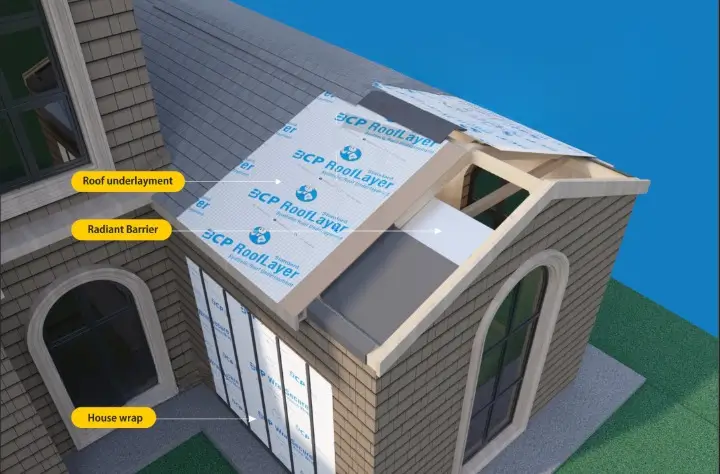

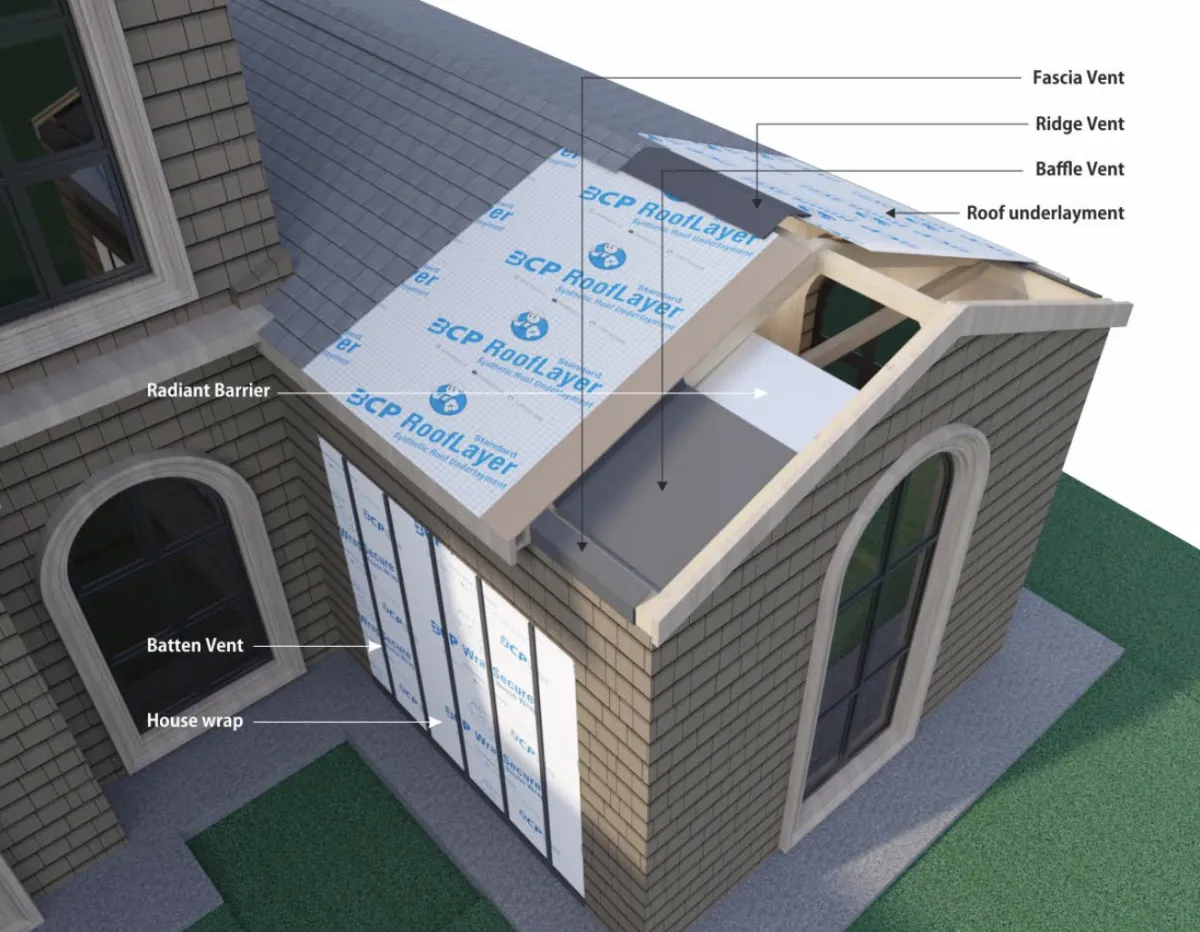
Roof Underlayment
Premium water-resistant layer between roof deck and shingles for additional protection.
- Superior water resistance
- Enhanced durability
- UV stabilized material
- Easy installation process
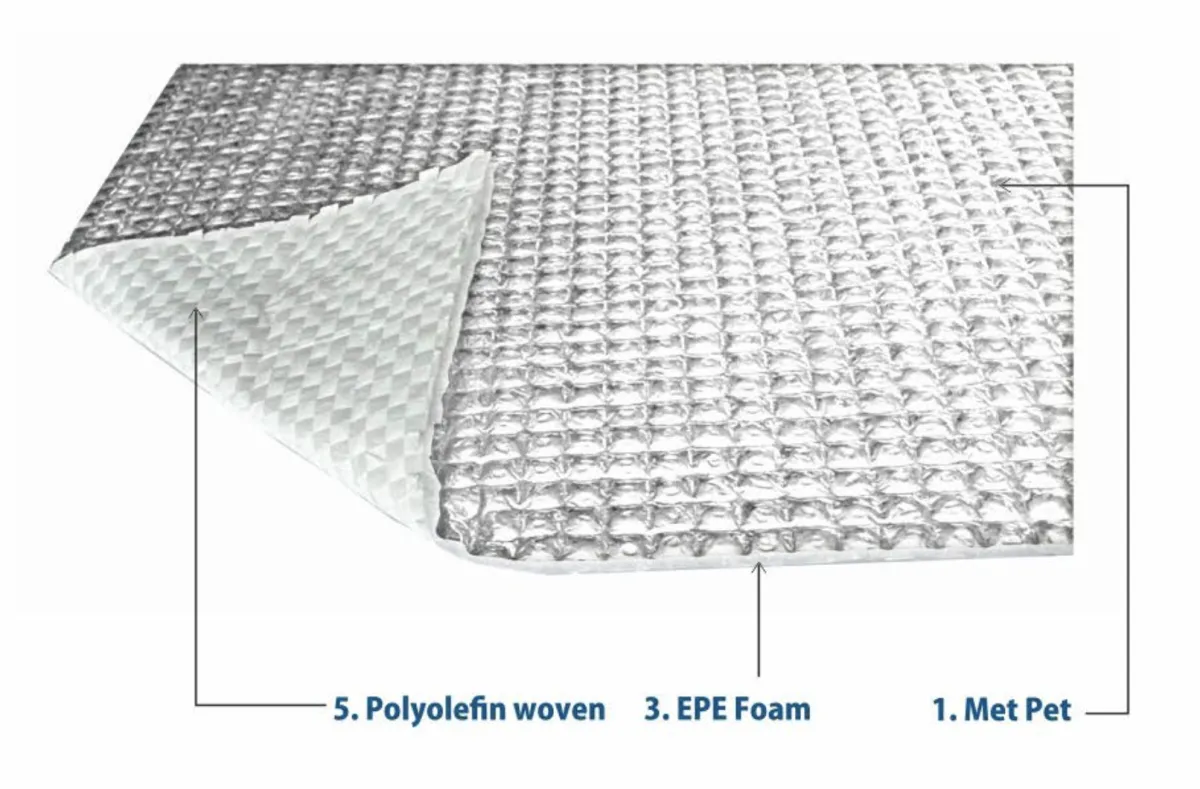
Radiant Barrier
Reflective insulation that reduces heat transfer into the attic, improving energy efficiency.
- Reduces cooling costs
- Reflects up to 97% of radiant heat
- Lightweight and flexible
- Improves HVAC efficiency
House Wrap
Protective barrier that shields the building from water infiltration while allowing moisture vapor to escape.
- Water-resistant membrane
- Breathable material
- Improves energy efficiency
- UV stabilized for installation exposure
Product Name
Product Categories
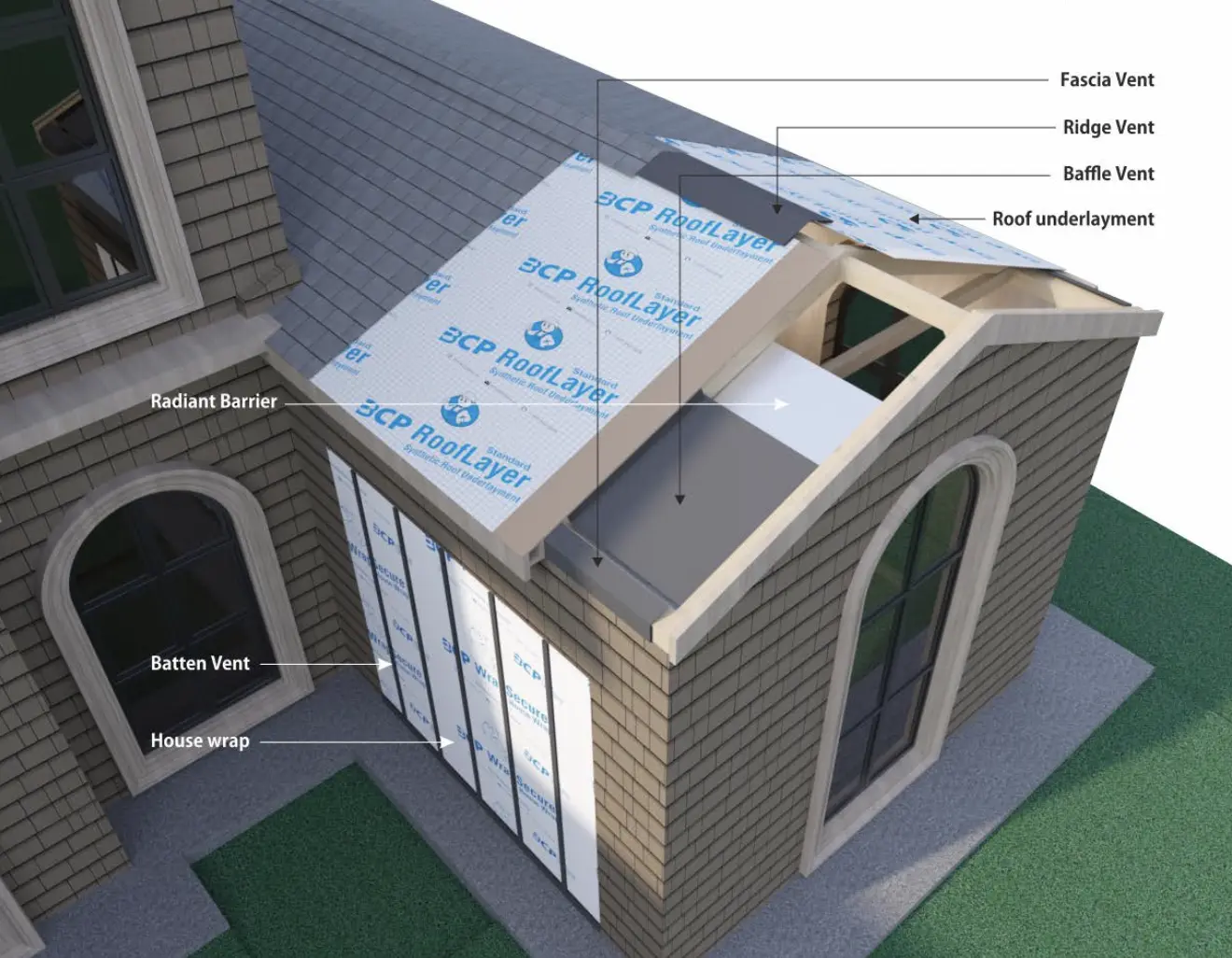
Roof Underlayment
Advanced protection against moisture and weather damage, ensuring a durable and secure roofing foundation.
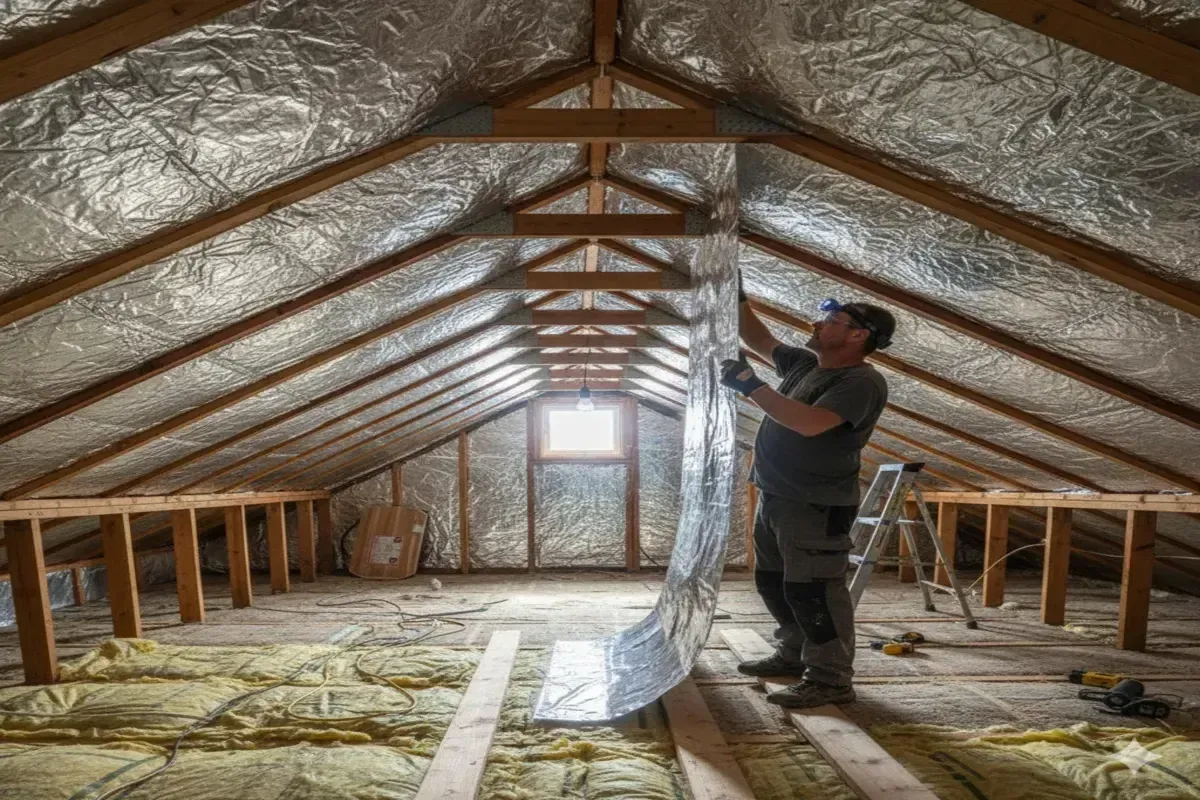
Radiant Barrier
High-performance reflective insulation that reduces heat transfer, enhancing energy efficiency.
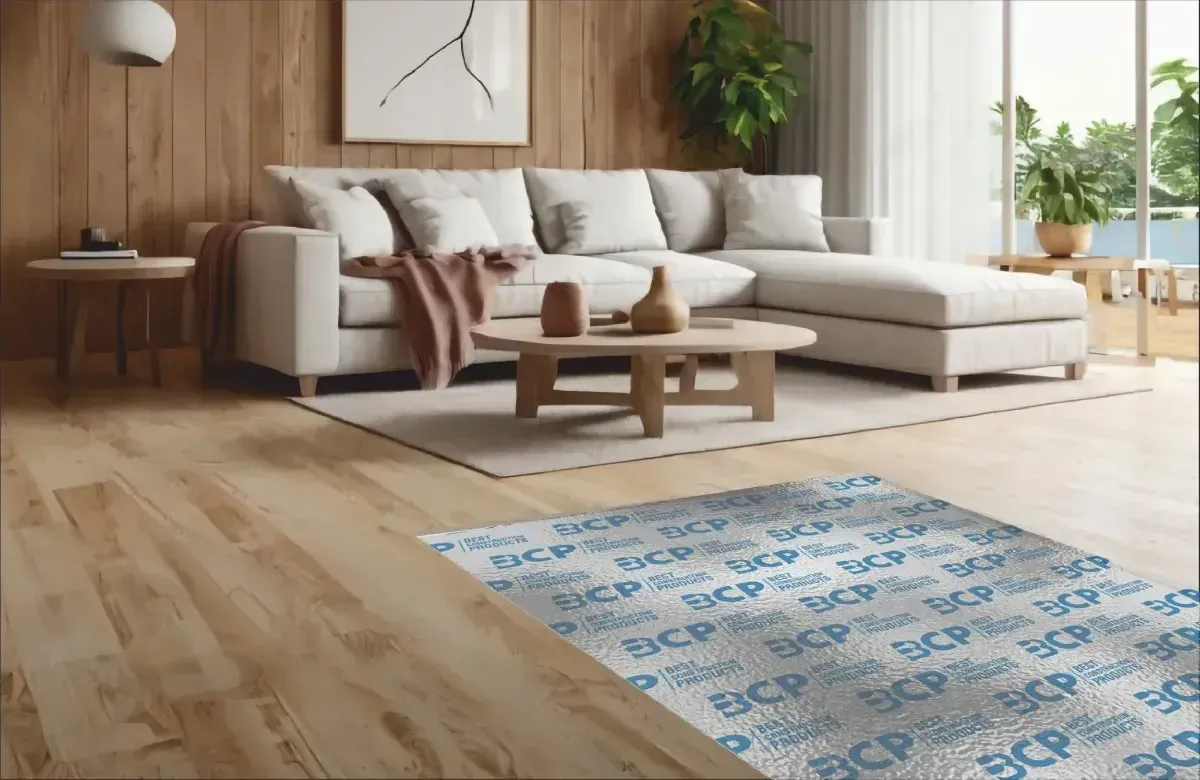
Floor Underlay
High-performance reflective insulation that reduces heat transfer, enhancing energy efficiency.
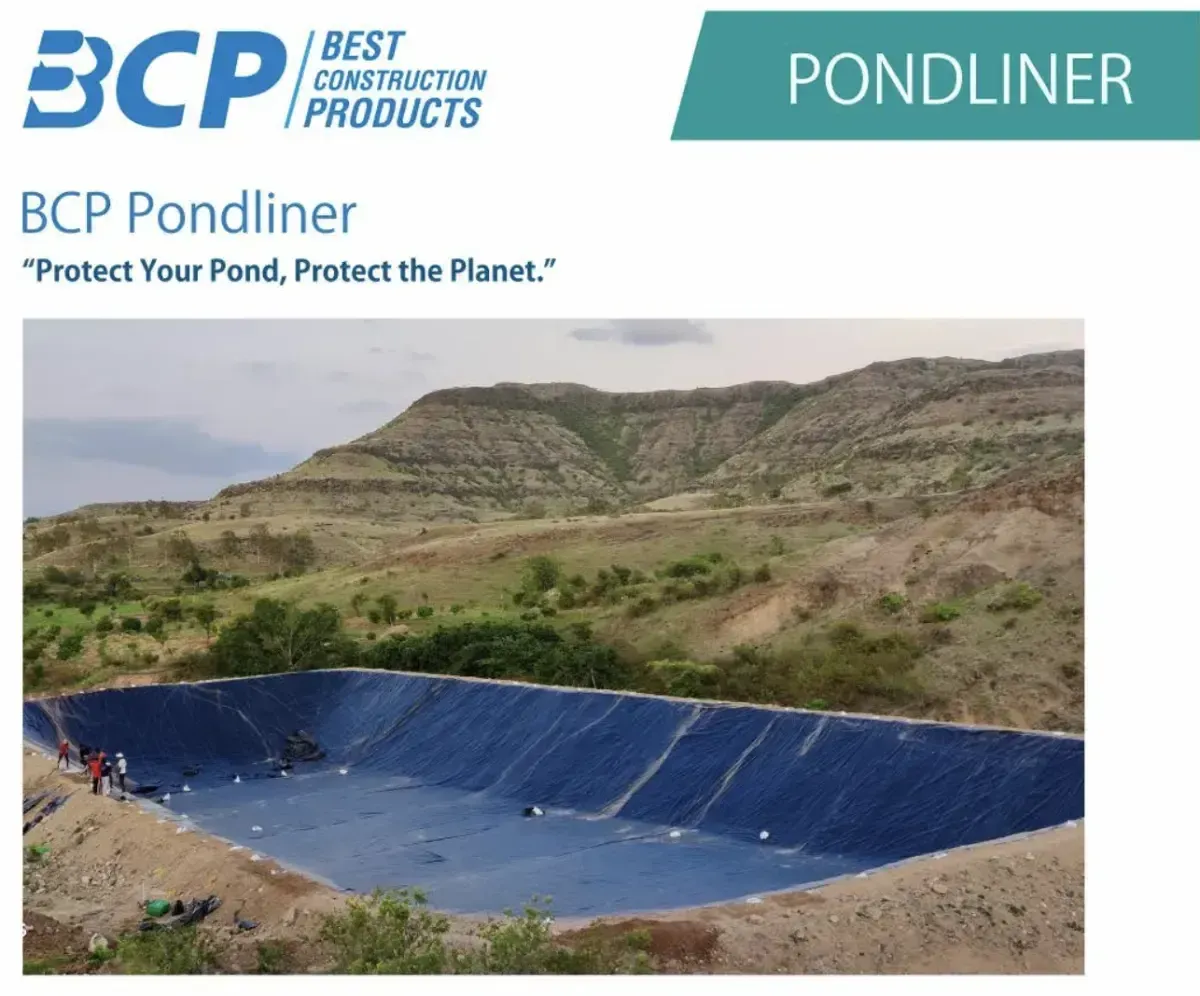
Pond Liner
Durable, waterproof lining for long-lasting pond and water feature containment.
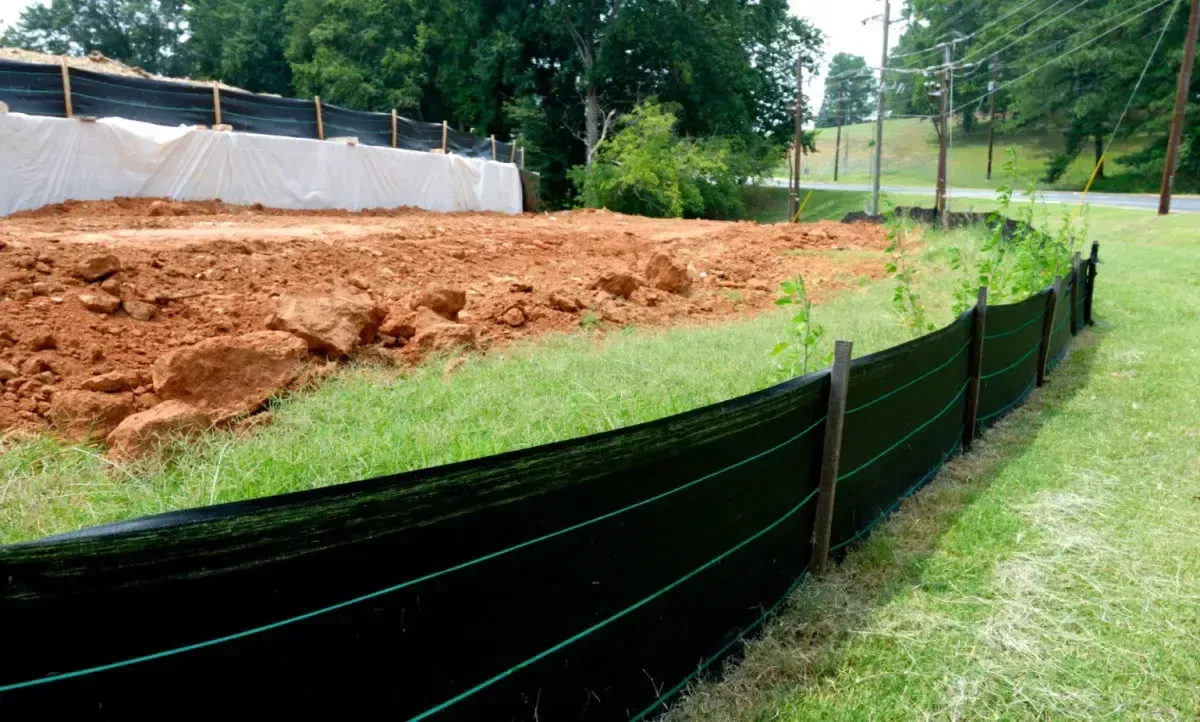
Silt Fence
Effective erosion control barrier for managing sediment runoff on construction sites.
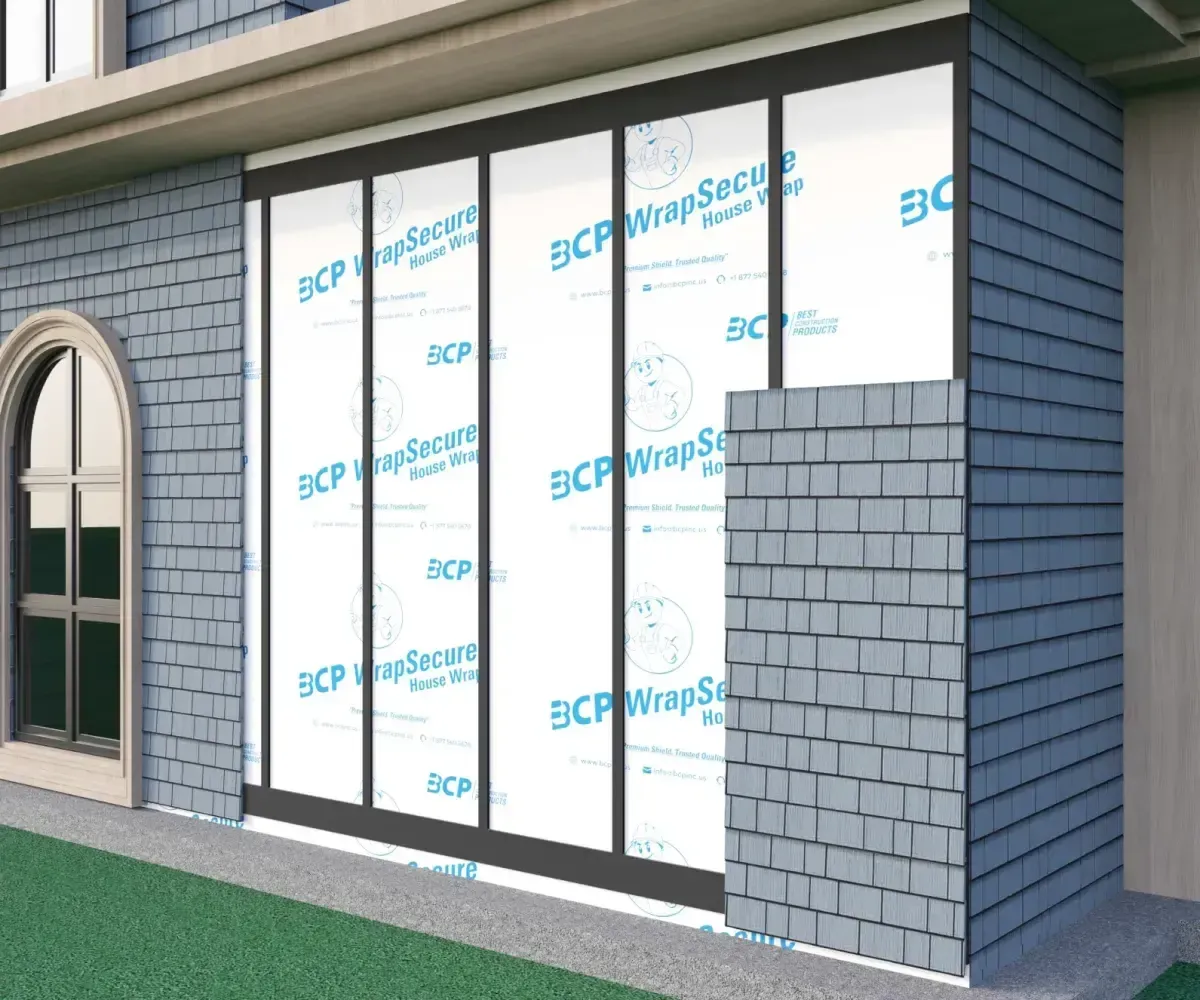
House Wrap
Advanced weather-resistant barrier for superior moisture and air infiltration protection.
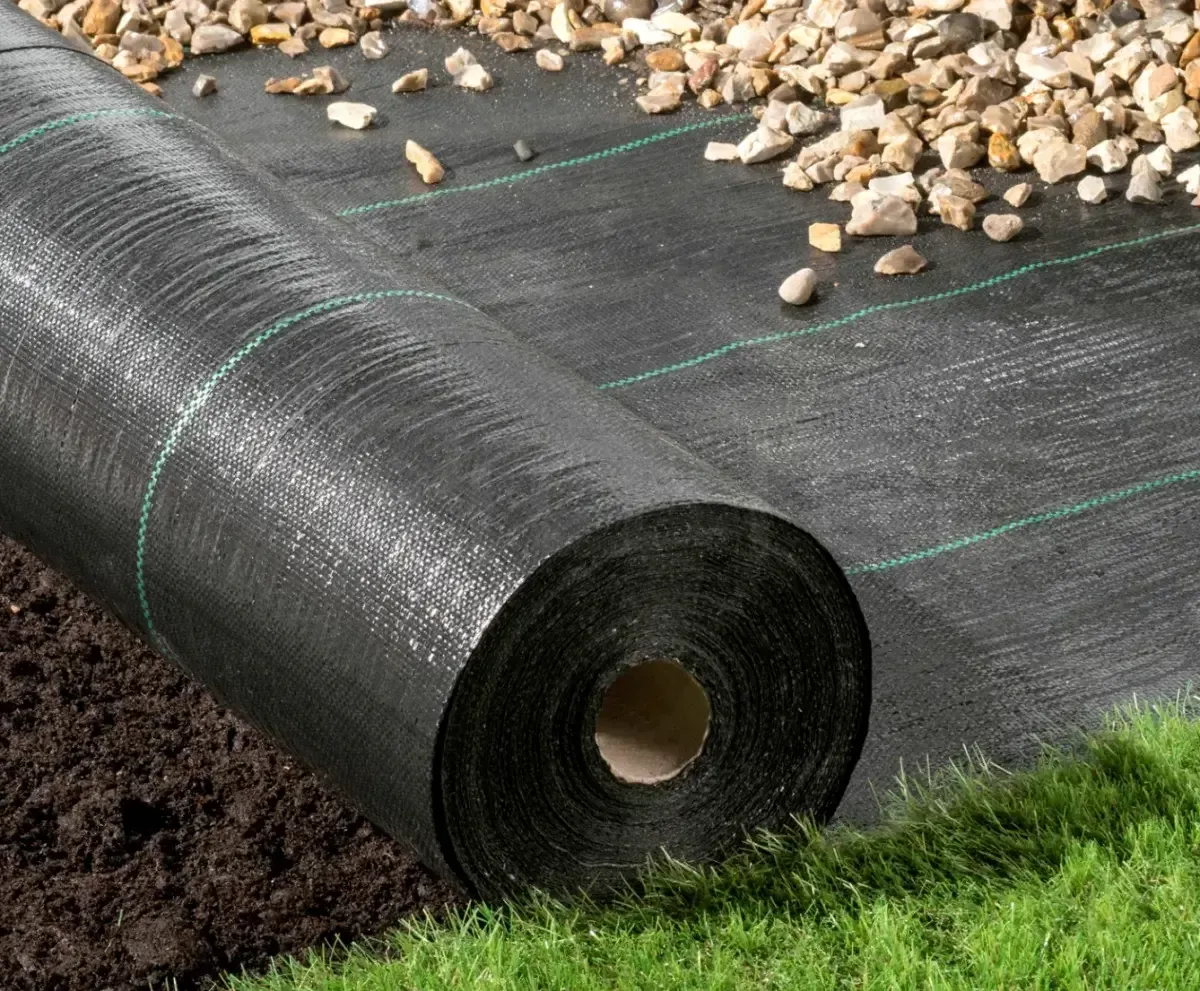
Weedshield
Heavy-duty landscape fabric for superior weed control and soil moisture retention.
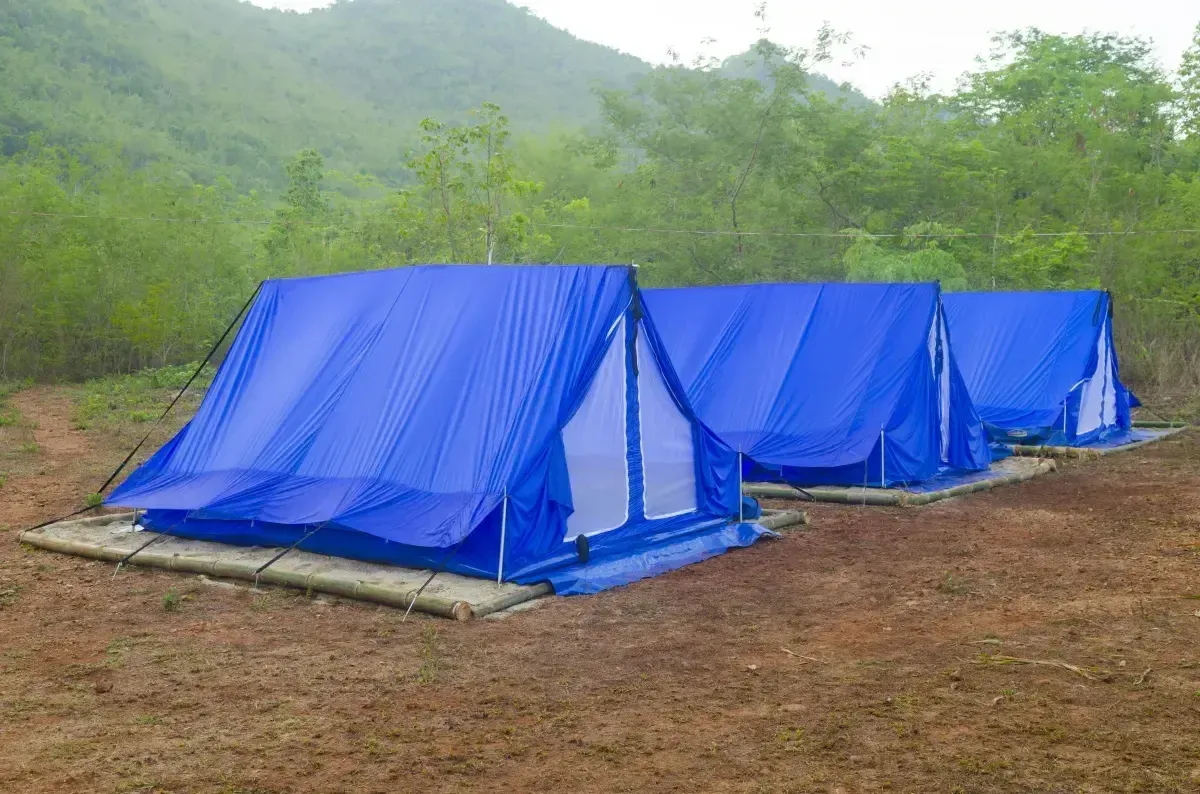
Tarpaulin
Heavy-duty, weatherproof cover for versatile outdoor and industrial protection.
About Best Construction Products, Inc.
At Best Construction Products, we’re not just keeping pace—we’re trailblazing the future of the construction materials industry. As pioneers in eco-conscious construction, our innovative products consistently raise the bar. We lead with materials that redefine performance standards, delivering remarkable durability, sustainability, and unrivaled energy efficiency across both residential and commercial buildings.
Our vision is an unwavering commitment to revolutionary solutions that address modern construction challenges. We don’t simply manufacture; we engineer enduring legacies integrated with BCP’s advanced formulations—designed to stand the test of time.
We empower local businesses and global communities alike by supplying products that inspire trust in both quality and affordability. Our mission extends beyond providing materials; we strive to elevate entire industries, democratizing access to premium, economically feasible building solutions.
Ready to align your projects with the forward-thinking ethos at the heart of BCP? Discover the breadth and depth of Building Construction Products, Inc.’s influence as we shape the future of construction with every eco-friendly product launch. Contact us today to experience how we elevate your projects to new heights of sustainability and distinguished quality.
Roof Underlayment
Radiant Barrier
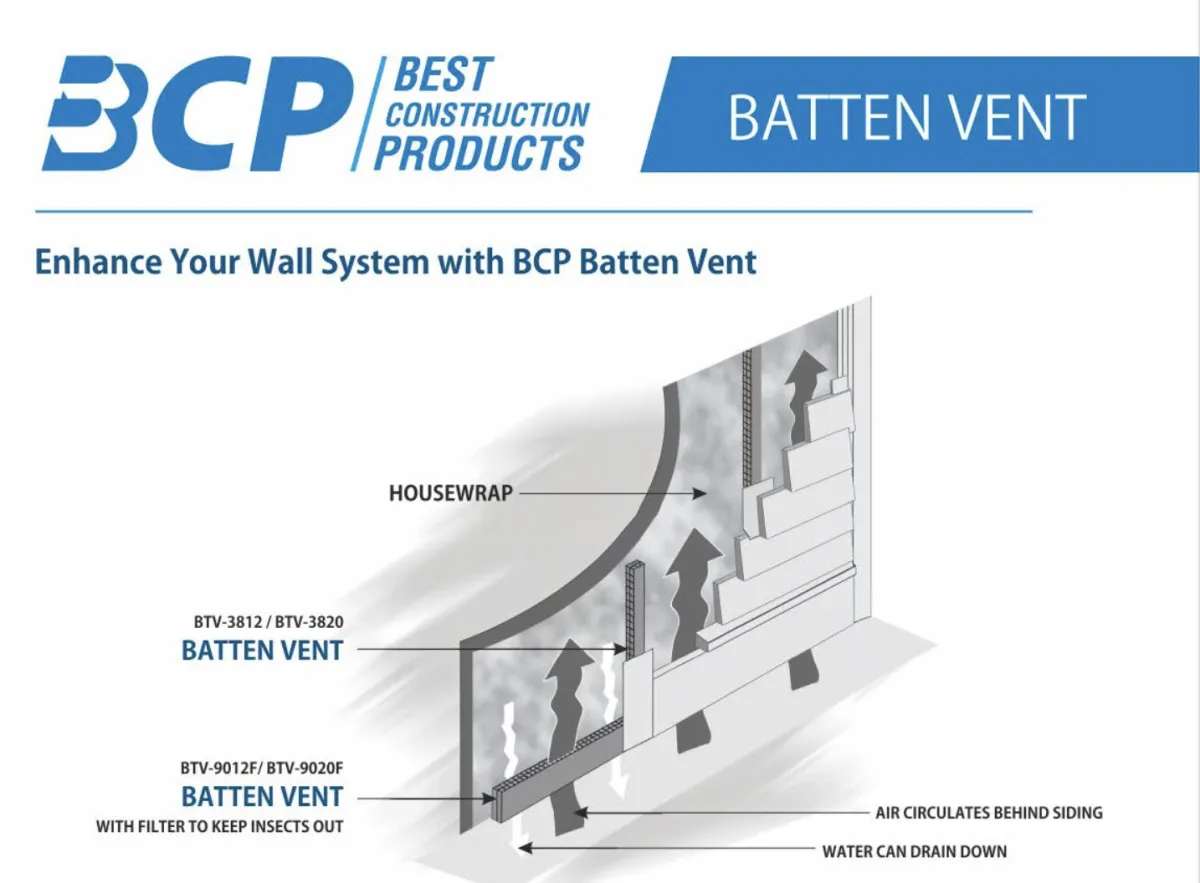
Vents
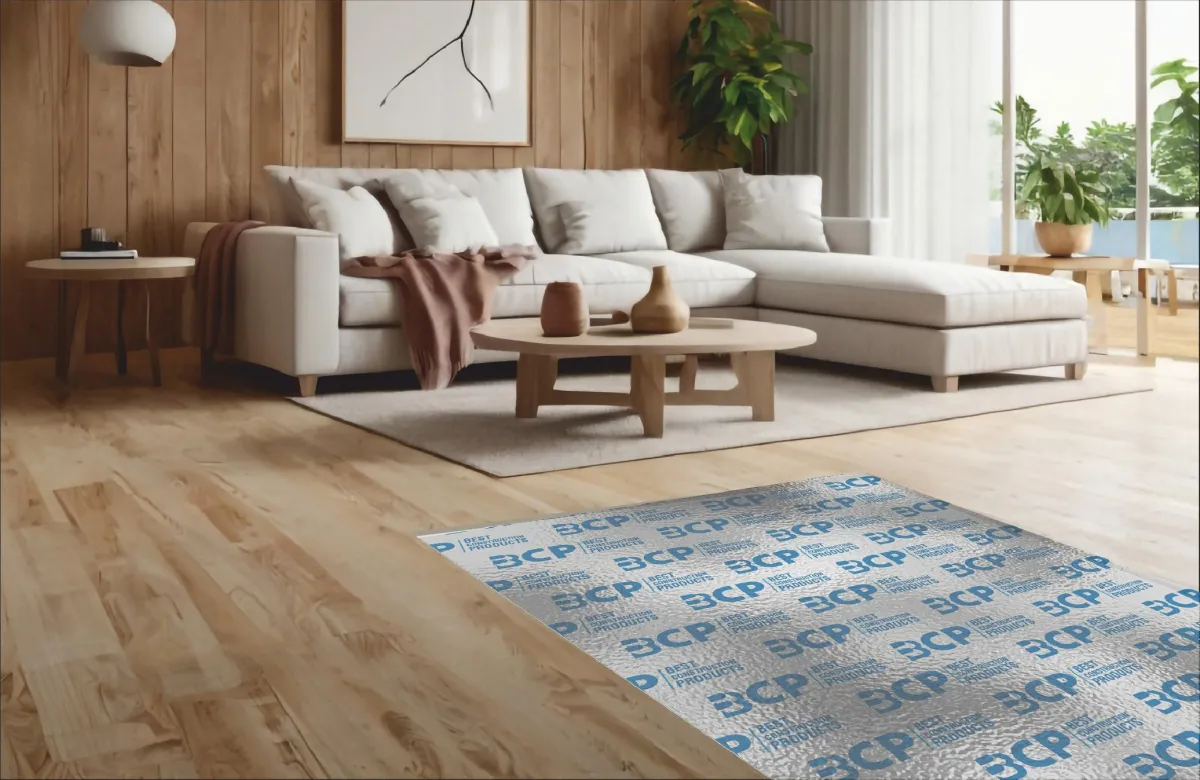
Floor Underlay

Pond Liner
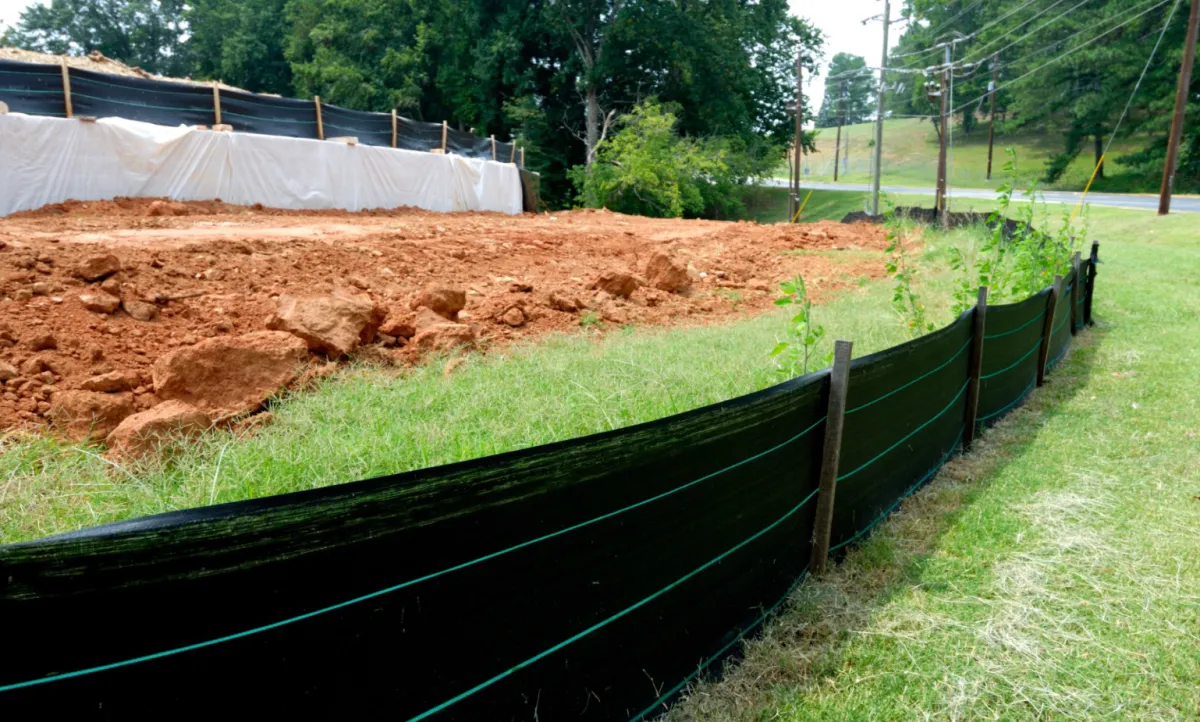
Silt Fence
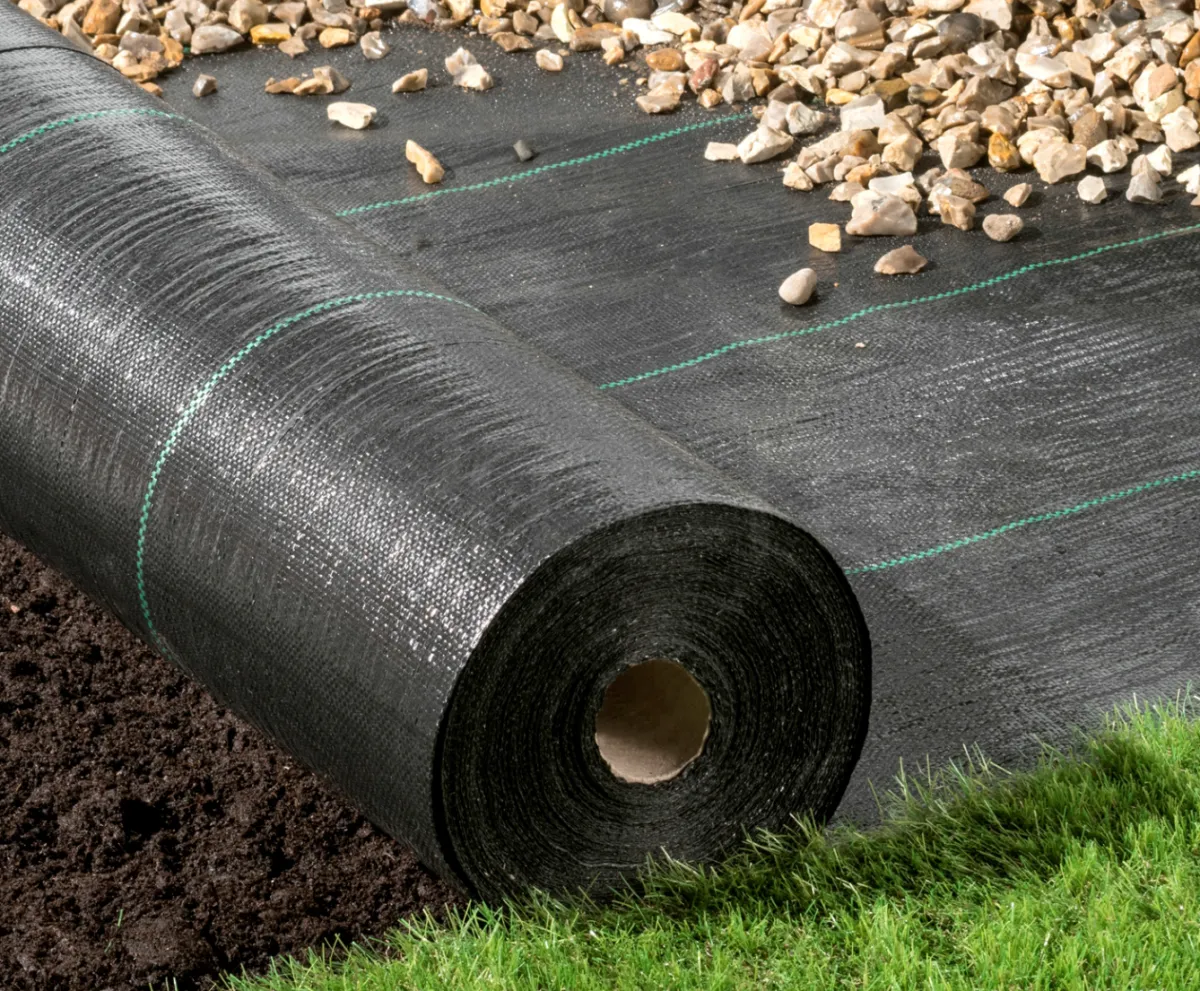
Weedshield
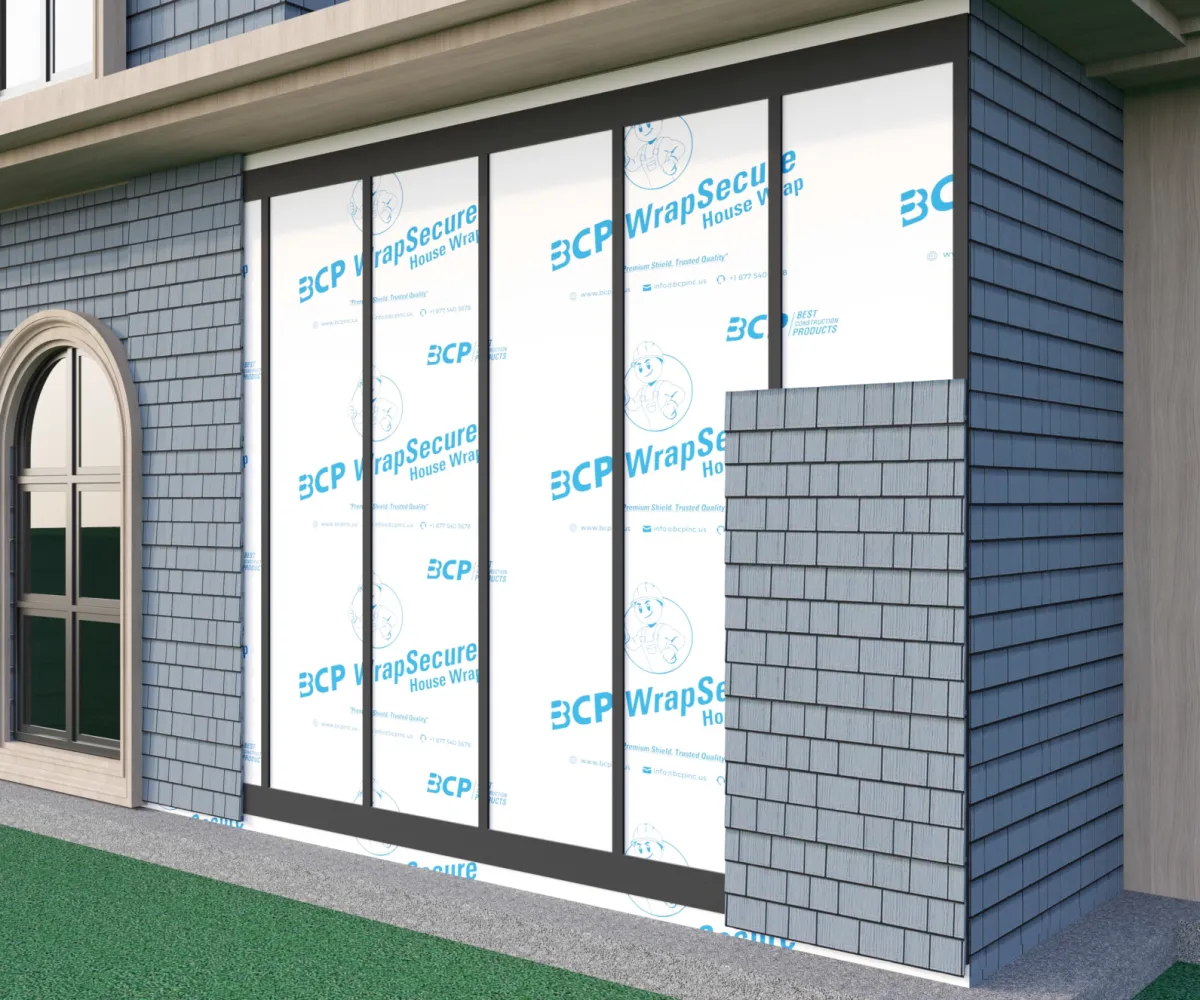
House Wrap
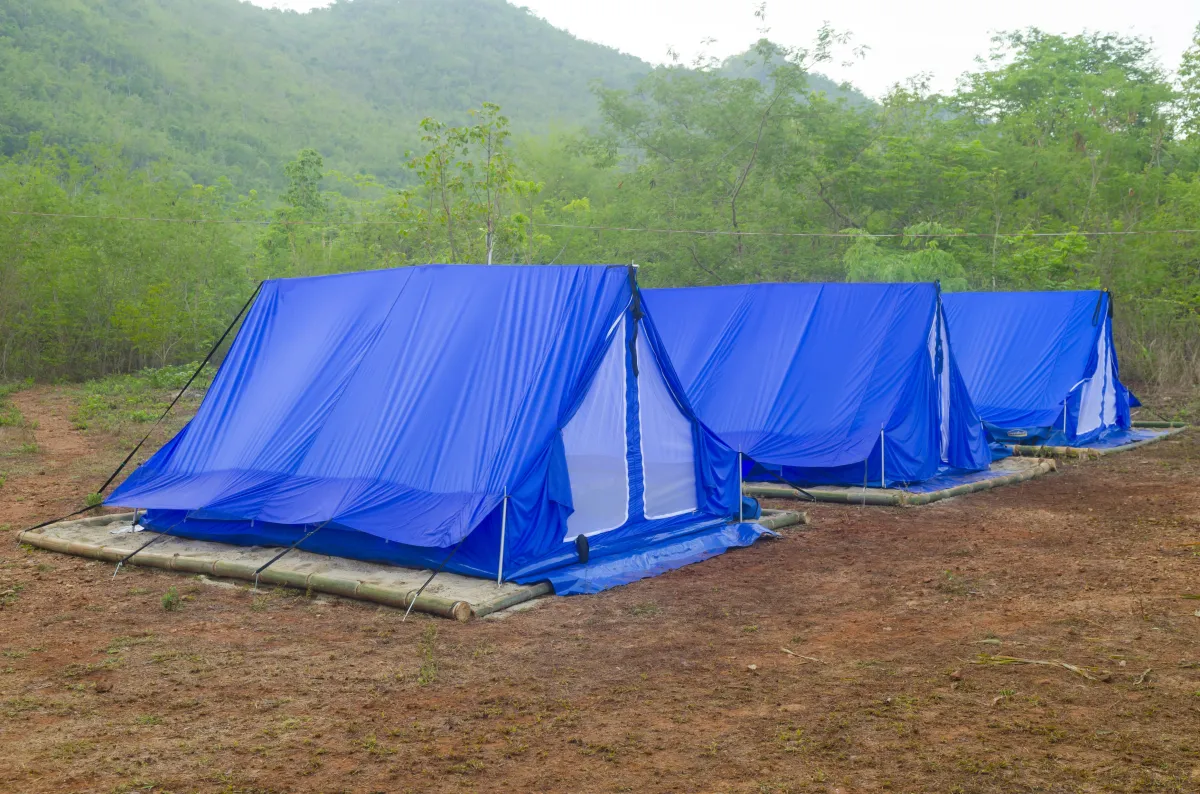
Tarpaulin
0
Projects Completed
0
Energy Savings (%)
0
Happy Clients
Why Choose BCP Inc.?
Eco-Conscious Manufacturing – We use recyclable materials and energy-efficient processes.
Engineered for Performance – Our products are tested for durability, longevity, and efficiency.
Industry-Leading Expertise – We collaborate with top contractors and architects.
Bulk & Wholesale Options Available – Get the best pricing for your large-scale projects.
Join thousands of satisfied customers who trust BCP for their construction needs!
Sustainable Solutions
We prioritize eco-friendly manufacturing practices to create products that support a greener future.
Innovative Design
Every product is crafted with precision, utilizing advanced technology to meet and exceed industry standards.
Industry Expertise
With decades of experience, our team provides expert guidance to help you choose the best solutions for your projects.
High Durability
Our materials are built to withstand the toughest conditions, delivering exceptional performance over time.
Partner With Us
At BCP, we believe collaboration is the foundation of success. Whether you’re sourcing materials for a single project or scaling operations, we’re here to support your vision.
Blogs - Construction Insights & Tips
The Builder’s Resource Hub
Your go-to source for installation guides, material deep-dives, and pro tricks across roofing, house wrap, radiant barriers, pond liners, and more.
From choosing the right underlayment to maximizing product lifespan, get clear, actionable advice on every essential construction material.
Can Roof Rejuvenation Fix Leaks? What to Know
Can roof rejuvenation fix a leak? No, and here's why. Learn what rejuvenation can and can't do, what causes leaks, and whether you need repair or treatment. ...more
Roofing Materials
September 21, 2026•6 min read
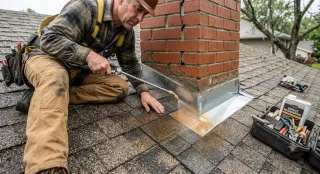
Drip Edge and Gutters: How They Work Together
How drip edge and gutters work together, the right overlap, whether gutters go over or under drip edge, and the mistakes that let water behind your gutters. ...more
Roofing Materials
September 19, 2026•7 min read
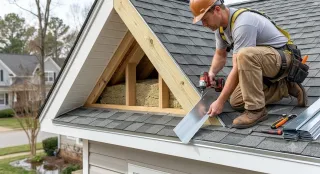
Roof Rejuvenation vs Roof Coating: The Difference
Roof rejuvenation vs coating: one penetrates and restores shingles, the other coats the surface. Learn which is right for your roof and why it matters. ...more
Roofing Materials
September 09, 2026•6 min read
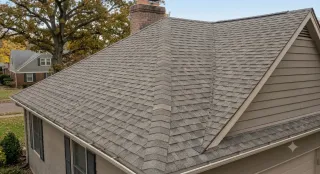
How Often Should You Rejuvenate a Roof?
How often to rejuvenate a roof: about every 5 years, up to 3 times for 15 years of added life. What affects the timing and how to know when you're due. ...more
Roofing Materials
September 06, 2026•7 min read
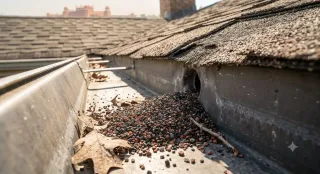
Owens Corning Ice & Water Barrier Alternatives
Comparing Owens Corning ice and water barrier to alternatives? Learn the specs that actually matter and how to choose the right product for your roof. ...more
Roofing Materials
September 04, 2026•8 min read
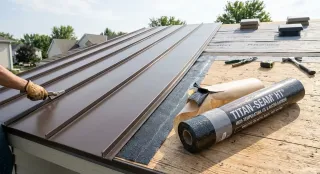
Roof Maintenance: How to Make Your Roof Last Longer
A simple roof maintenance guide: seasonal checklist, DIY vs pro tasks, dealing with moss and algae, and how to extend the life of an aging roof. ...more
Roofing Materials
August 07, 2026•6 min read

Don’t miss an update—subscribe to our newsletter for monthly product tips and industry news.
READY TO GIVE US A TRY?
Get Started Today!
High-quality materials, competitive pricing, and expert customer support – everything you need for a successful project.
More than 30 years of experience
10,000+ Happy Customers.
500+ Construction Partners Nationwide.
100% Eco-Friendly & Sustainable Products.
50+ High-Performance Construction Products.
What They Think of Us

Sarah L.
Construction Engineer
Working with BCP has elevated our construction standards significantly. Their high-performance products and dedicated support always exceed our expectations. We trust BCP for our most critical projects.

Michael D.
Project Manager
BCP’s innovative products have greatly improved our project efficiency. Their quality and reliability ensure every task is completed with excellence. I confidently recommend their solutions for any construction project.

Emily S.
Operations Manager
BCP stands out with its commitment to excellence and innovation. Their reliable products and professional support have transformed our building processes. I am extremely satisfied with their solutions on job.

David R.
Site Supervisor
BCP delivers exceptional quality and dependable performance on every project. Their products are durable, and the support team is always ready to assist. I’m proud to partner with them for our projects.
Constructions Insights
Want to work with us?
Providing premium construction solutions for contractors, builders, and DIY enthusiasts since 1985. Quality you can trust, performance you can rely on.

COMPANY
CUSTOMER CARE
LEGAL
FOLLOW US


Copyright 2025 Best Construction Products, Inc. All rights reserved.