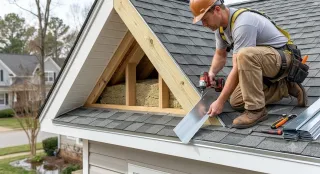


Two roofers installing synthetic underlayment on a residential roof deck on a sunny day

Synthetic Underlayment: Why Roofers Are Switching

April 12, 202612 min read

Synthetic Underlayment: Why Roofers Are Making the Switch and What You Should Know

Walk onto any active roofing job site today and you will almost certainly see gray synthetic underlayment on the deck. Ten years ago, it was black felt paper on nearly every roof. The industry has shifted, and there are solid reasons why.

Synthetic underlayment is not just a newer version of felt. It is a fundamentally different product that solves the problems felt has always had: tearing on the job site, absorbing water in the rain, breaking down in the sun, and failing years before the shingles above it.

If you are a contractor who has not made the switch yet, or a homeowner wondering what your roofer should be using, this guide explains why synthetic underlayment has taken over, how it performs differently from felt in real world conditions, and what to look for when choosing a product for your next roofing project.

What Is Synthetic Underlayment?

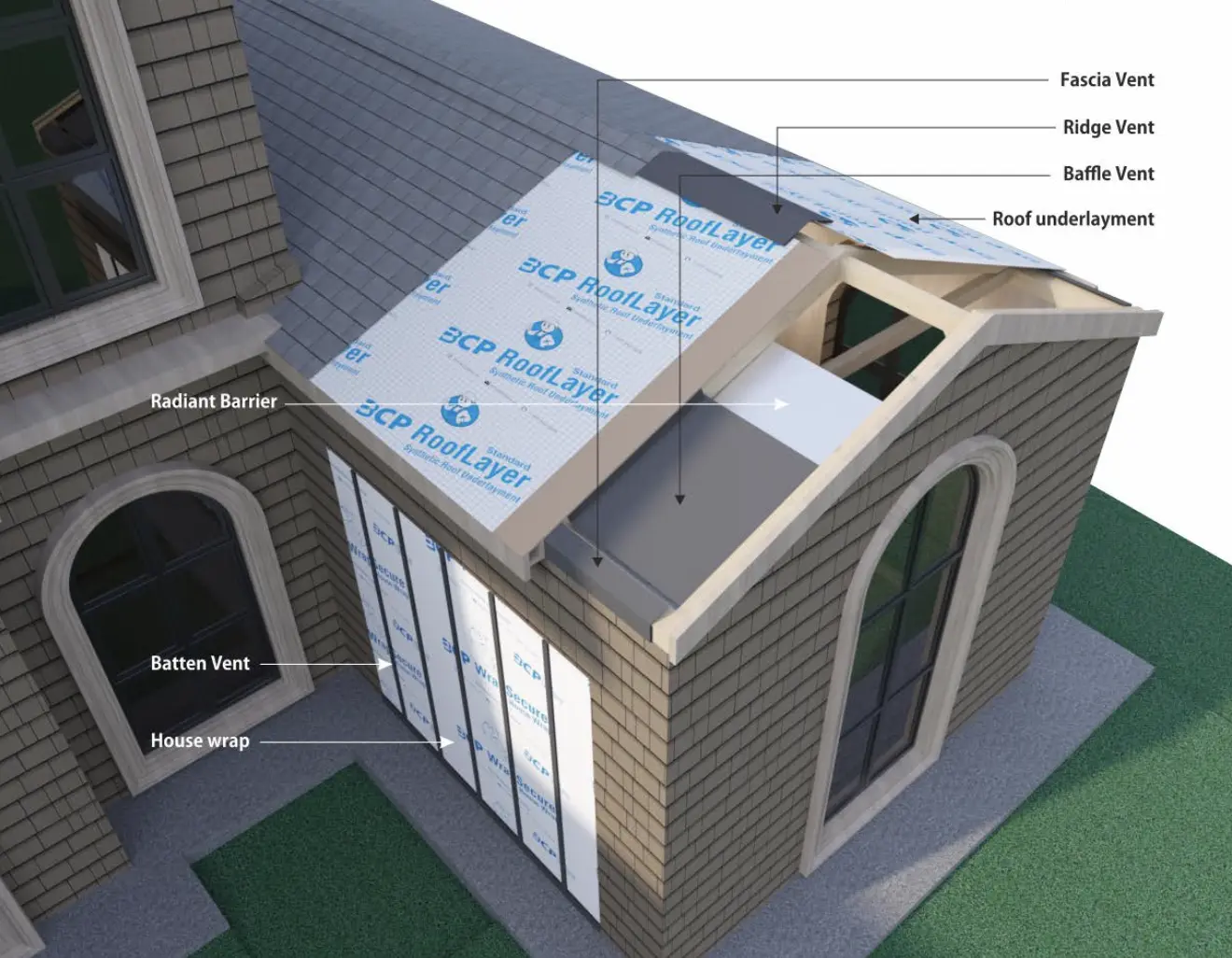
Synthetic underlayment is a roofing barrier material made from engineered polypropylene or polyethylene polymers. It is installed on the roof deck (the plywood or OSB panels that form the base of your roof) before the shingles, tiles, or metal panels go on top.

Its job is simple but critical: protect the deck from water that gets past the primary roofing material. Wind driven rain, ice dams, cracked shingles, and loose fasteners can all let water through. The underlayment catches it and directs it down the roof and into the gutter before it reaches the wood.

Synthetic underlayment is made by weaving or spinning polymer fibers into a tough fabric and then coating it with additional polymers for water resistance and UV protection. The result is a material that is lighter than felt, stronger than felt, and lasts two to three times longer than felt under the same roofing material.

Unlike felt, which is made from organic fibers saturated with asphalt, synthetic contains no organic material that can absorb water, rot, or break down over time. This fundamental difference in material composition is what drives every performance advantage synthetic has over felt.

What Makes Synthetic Different from Felt

The differences are not minor improvements. They affect every part of the roofing process from the first roll on the deck to the last day the underlayment performs under the shingles decades later.

Water handling. Felt absorbs water. When felt gets rained on during installation, it swells, wrinkles, and can stay damp for days. That moisture gets trapped between the felt and the deck, which is exactly where you do not want it. Wrinkled felt also creates an uneven surface that can telegraph through thin shingles and affect the appearance of the finished roof. Synthetic does not absorb water at all. Rain rolls right off the surface and the material stays flat and dry. Your crew can get back to work as soon as the rain stops without waiting for the underlayment to dry out.

Strength. Felt tears easily. A strong gust of wind during installation, a heavy boot step, or a dropped tool can rip right through it. On a busy roof with multiple workers, tears happen constantly throughout the day. Each tear is a gap in the moisture barrier that will be hidden once the shingles go on. Synthetic is dramatically stronger. It resists tearing from foot traffic, tools, and rough handling without losing its integrity. This "use after abuse" quality means the underlayment still performs as designed even after a full day of installation activity.

UV tolerance. Felt breaks down in direct sunlight within days. The asphalt in felt dries out and becomes brittle when exposed to UV radiation, and the material can start to curl and crack. If your crew installs the underlayment on Monday but the shingles do not go on until the following week, the felt is already degrading. Synthetic handles UV exposure for 60 to 180 days depending on the product, giving you weeks or months of flexibility before the roofing material needs to be installed. This is especially valuable during busy roofing season when scheduling delays are common.

Coverage per roll. A roll of 30 pound felt covers about 200 square feet and weighs around 60 pounds. A roll of synthetic covers 400 to 1,000 square feet and typically weighs 25 to 45 pounds. That means fewer rolls to carry up the ladder, fewer seams on the roof, less taping, and faster installation time. On a large roof, the difference in labor time is significant.

Lifespan. Felt lasts 10 to 20 years under shingles before it begins to deteriorate. Synthetic lasts 25 to 40 years. When you are putting a roof on that should last 25 to 30 years, it does not make sense to use an underlayment that fails at the 15 year mark. The underlayment should last at least as long as the roofing material above it.

Traction. Most synthetic products have a textured or coated surface that provides better footing for workers on the roof. This is a real safety advantage, especially on steep slopes where felt can be slippery, particularly when wet. Better traction means fewer slip and fall risks and faster, more confident work.

For a detailed side by side breakdown of every performance factor, check out our synthetic vs. felt comparison guide.

Side by side comparison of felt paper and synthetic underlayment held in a roofer's hands showing the texture difference

Where Synthetic Underlayment Is Used

Synthetic underlayment works under virtually every roofing material and on every type of building. Here is where it is most commonly applied.

Residential shingle roofs. This is the most common application. Synthetic goes on the full deck, with ice and water shield added at the eaves, valleys, and around penetrations for waterproof protection in the high risk zones. The combination of synthetic on the field and peel and stick in the vulnerable areas is the gold standard for residential roofing. Our roofing underlayment for shingles guide covers the best practices for this setup.

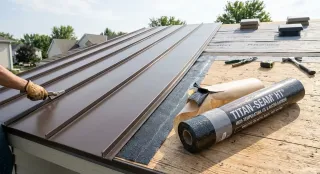
Metal roofs. Metal creates unique challenges including high heat transfer, condensation on the underside of panels, and constant thermal expansion and contraction. Synthetic handles all of these better than felt, which softens and sticks to metal at high temperatures. For metal roofing, choose a product with a higher temperature rating (220 degrees Fahrenheit or above) to ensure the underlayment performs under the heat that metal generates.

Tile and slate roofs. These heavy materials require an underlayment with strong tear resistance to handle the weight and rigidity during installation. Workers walk on the underlayment while carrying and placing heavy tiles, which puts more stress on the material than shingle installation. Premium grade synthetic with high tear resistance ratings is the best fit for these applications.

Commercial and multi family buildings. Larger roof areas benefit from the bigger coverage per roll and faster installation speed of synthetic. Fewer seams means fewer potential leak points, which matters even more on a 10,000 square foot commercial roof than on a 2,000 square foot residential job. The labor savings from faster installation also add up significantly on larger projects.

Low slope roofs. Any roof section with a pitch of 4:12 or less is more prone to water pooling and benefits from synthetic's superior water shedding ability. Combined with peel and stick in the flat areas, synthetic provides reliable protection on low slope designs where water moves slowly and has more time to find its way through seams.

Re-roofing projects. When tearing off an old roof, the old underlayment comes off too. Replacing it with synthetic (even if the old underlayment was felt) upgrades the protection of the entire system for the next 25 to 40 years. This is one of the easiest and most cost effective upgrades you can make during a roof replacement.

Commercial building roof being covered with synthetic underlayment by a crew of roofers

What Contractors Say About Making the Switch

The shift from felt to synthetic has been driven by the contractors who work with these materials every day. Here is what they consistently report after switching.

Faster installation. Bigger rolls mean less time walking back to the ladder for more material. Lighter weight means less fatigue over the course of a long day. Fewer seams means less time spent taping overlaps. On a typical residential re-roof, contractors report saving 30 minutes to an hour of labor time by using synthetic instead of felt.

Safer job site. The textured surface of synthetic underlayment provides better traction than felt, especially on steep slopes. Workers feel more stable on their feet, which reduces slip and fall risk. On a steep 8:12 or 10:12 pitch roof, the difference in footing between felt and synthetic is immediately noticeable.

Fewer callbacks. Felt tears during installation and degrades over time, both of which can cause leaks that bring the crew back to the job for warranty repairs. Synthetic eliminates most of these callbacks because it holds up during installation and lasts longer after the shingles are on. Fewer callbacks means more time on new jobs and less time fixing old ones.

Better weather flexibility. If rain hits mid-job, felt is a problem. It absorbs water and the crew has to wait for it to dry or risk trapping moisture under the shingles. Synthetic sheds rain and the crew can get back to work as soon as the weather clears. In regions where afternoon rain showers are common during roofing season, this flexibility can save entire days of lost productivity.

Warranty compliance. More shingle manufacturers now require synthetic underlayment for their warranty to be valid. Contractors who use felt risk leaving their customers without warranty protection, which creates liability. Using synthetic eliminates that risk and gives both the contractor and the homeowner peace of mind.

Roofer standing safely on non slip synthetic underlayment on a steep roof giving a thumbs up

How to Choose the Right Synthetic Underlayment

Not every synthetic product is the same. Here is what to evaluate when selecting the right one for your project.

Your roofing material. Standard synthetic works for asphalt shingles. Metal roofs need higher temperature ratings. Tile and slate need premium tear strength. Always check the roofing material manufacturer's installation requirements to verify which underlayment types are approved.

Your climate. Hot, dry regions need strong UV resistance so the underlayment survives extended exposure during construction. Cold, snowy areas need an underlayment paired with ice and water shield at the eaves to prevent ice dam leaks. Wet climates need the highest water resistance available. Our climate selection guide walks through the best product match for each region of the country.

Your project timeline. If shingles go on the same week, economy grade synthetic is fine. If the deck might sit exposed for weeks or months due to scheduling, material delays, or weather, choose a product with a longer UV rating to ensure the underlayment holds up during the wait.

Your budget. At BCP Inc., we offer three grades to fit every project and every budget:

RoofLayer Eco is our entry level synthetic underlayment for budget conscious residential work. It gives you all the core benefits of synthetic at a price point close to felt, making the switch affordable even on tight budget projects.

RoofLayer Standard is our most popular product for everyday residential and light commercial projects. It offers improved tear strength, better UV resistance, and enhanced water shedding compared to economy products. This is the go to choice for most contractors.

RoofLayer Premium is built for demanding conditions, extended UV exposure, and high performance applications including metal roofing, steep slopes, and projects in extreme climates. It delivers the highest tear strength and longest UV rating in our lineup.

Synthetic Underlayment and Your Shingle Warranty

This is a detail that catches many homeowners and even some contractors off guard. Your shingle warranty may depend on which underlayment you use.

Several major shingle manufacturers, including Owens Corning and GAF, now recommend or require synthetic underlayment for their warranty to remain valid. If you install felt under shingles from a manufacturer that specifies synthetic, you could void the warranty entirely. That means if your shingles fail prematurely or develop defects, the manufacturer may deny your claim because the underlayment did not meet their specifications.

Before purchasing any underlayment, check the installation requirements in your shingle manufacturer's documentation. Using the right underlayment is not just about better performance. It is about protecting the warranty on the most expensive component of your roofing system.

Frequently Asked Questions

Is synthetic underlayment waterproof? Synthetic underlayment is highly water resistant and sheds rain effectively. It is not a fully sealed membrane like peel and stick ice and water shield. For areas where standing water or ice dams are a concern, peel and stick is the better choice. Most roofs use both: peel and stick in the high risk areas and synthetic across the field.

Does synthetic underlayment cost more than felt? Per roll, yes. Per square foot of actual coverage, synthetic is often comparable to 30 pound felt because each roll covers 2 to 5 times more area. Factor in faster installation and fewer callbacks, and synthetic typically saves money on the total project cost.

Can I install synthetic underlayment myself? For small projects, yes. The process is straightforward: start at the eave, roll out horizontally, overlap each row by at least 4 inches, and fasten with cap nails or cap staples every 12 to 18 inches. For larger projects or if you are unsure about proper technique, professional installation ensures correct overlap, seam taping, and code compliance.

How long can synthetic underlayment be exposed before shingles go on? It depends on the product. Economy grades handle 30 to 90 days. Standard and premium products handle 90 to 180 days or more. Always check the spec sheet for your specific product and plan your installation timeline accordingly.

Will using felt void my shingle warranty? It can. Several major shingle manufacturers now require synthetic underlayment for full warranty coverage. Check your shingle manufacturer's installation requirements before choosing your underlayment. The cost difference between felt and synthetic is small compared to the value of maintaining your warranty.

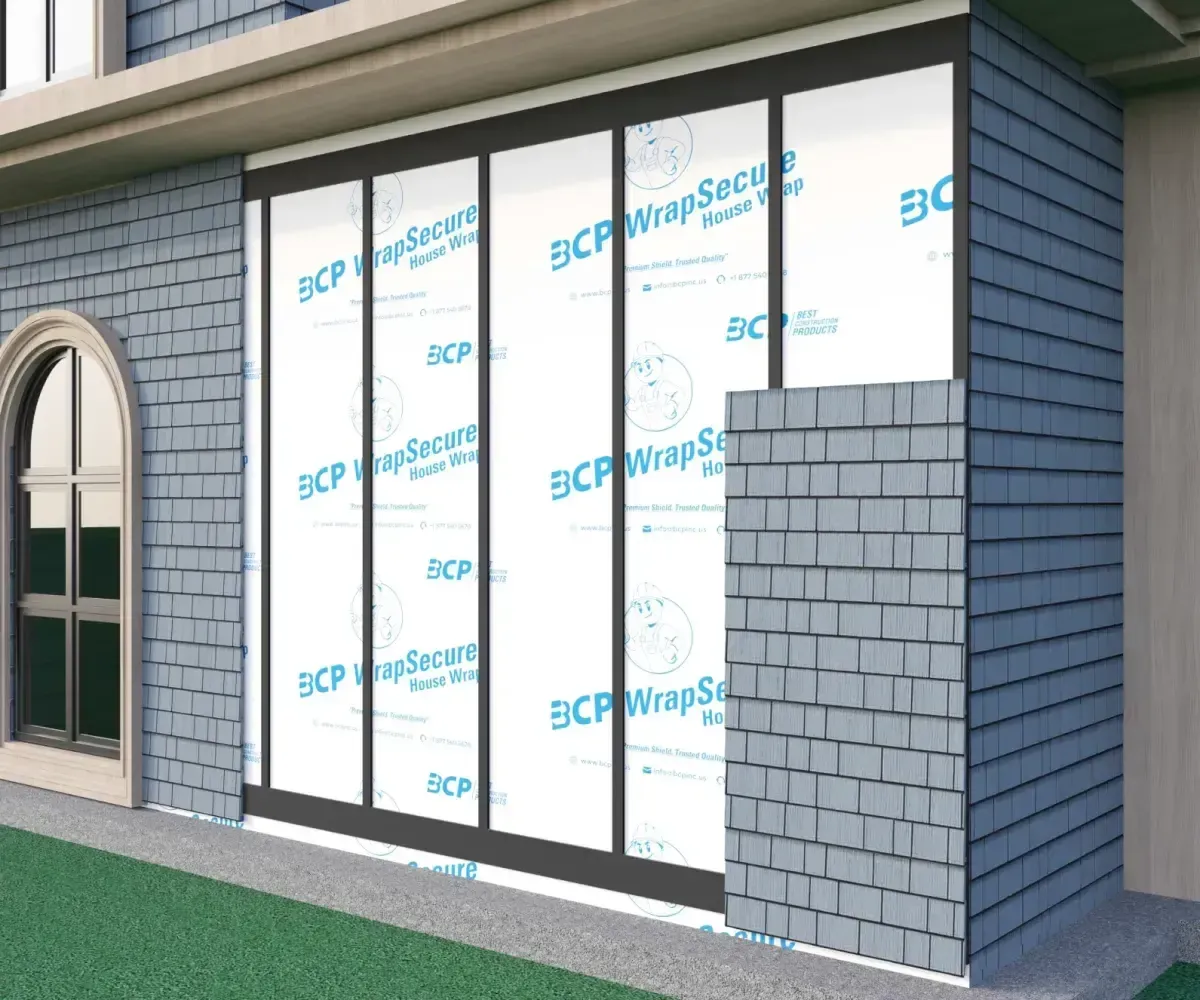
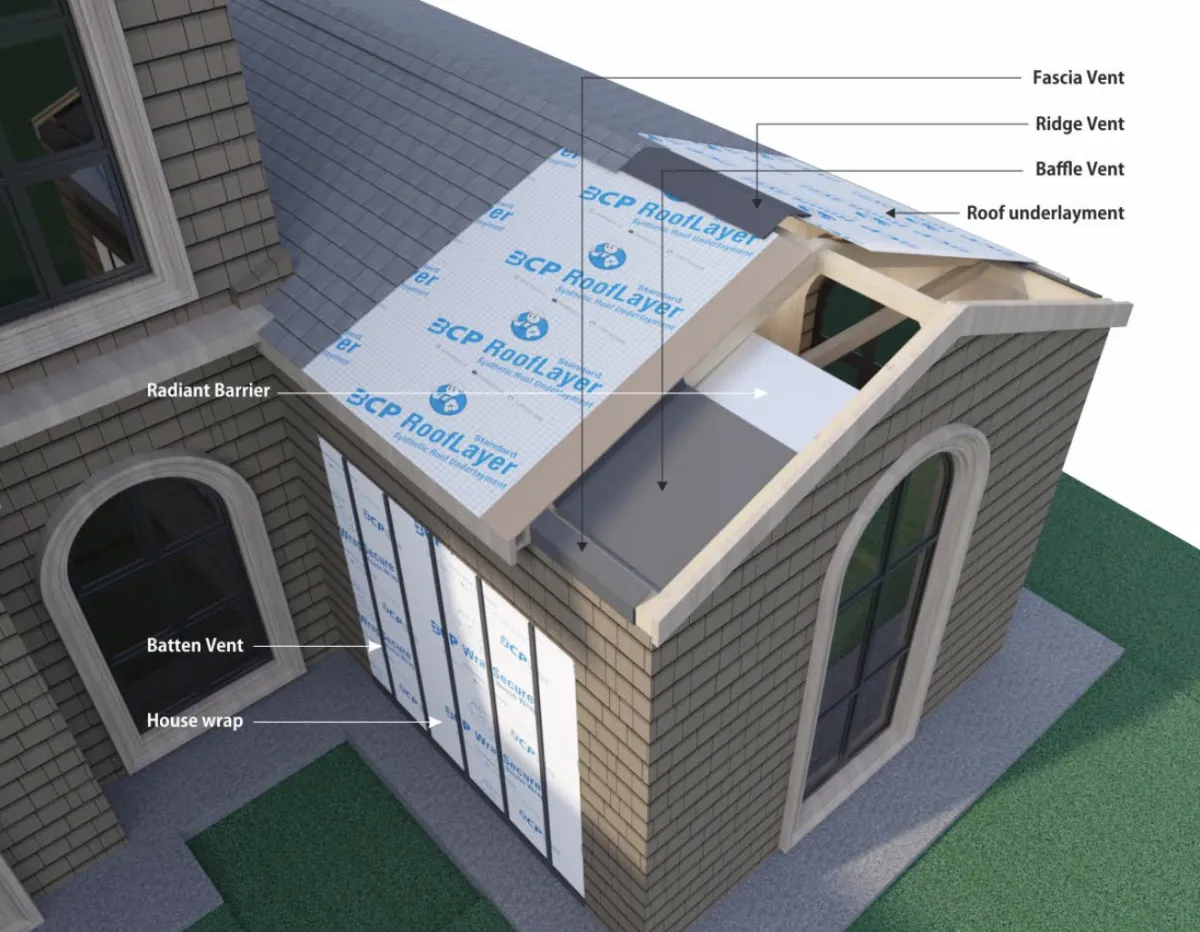
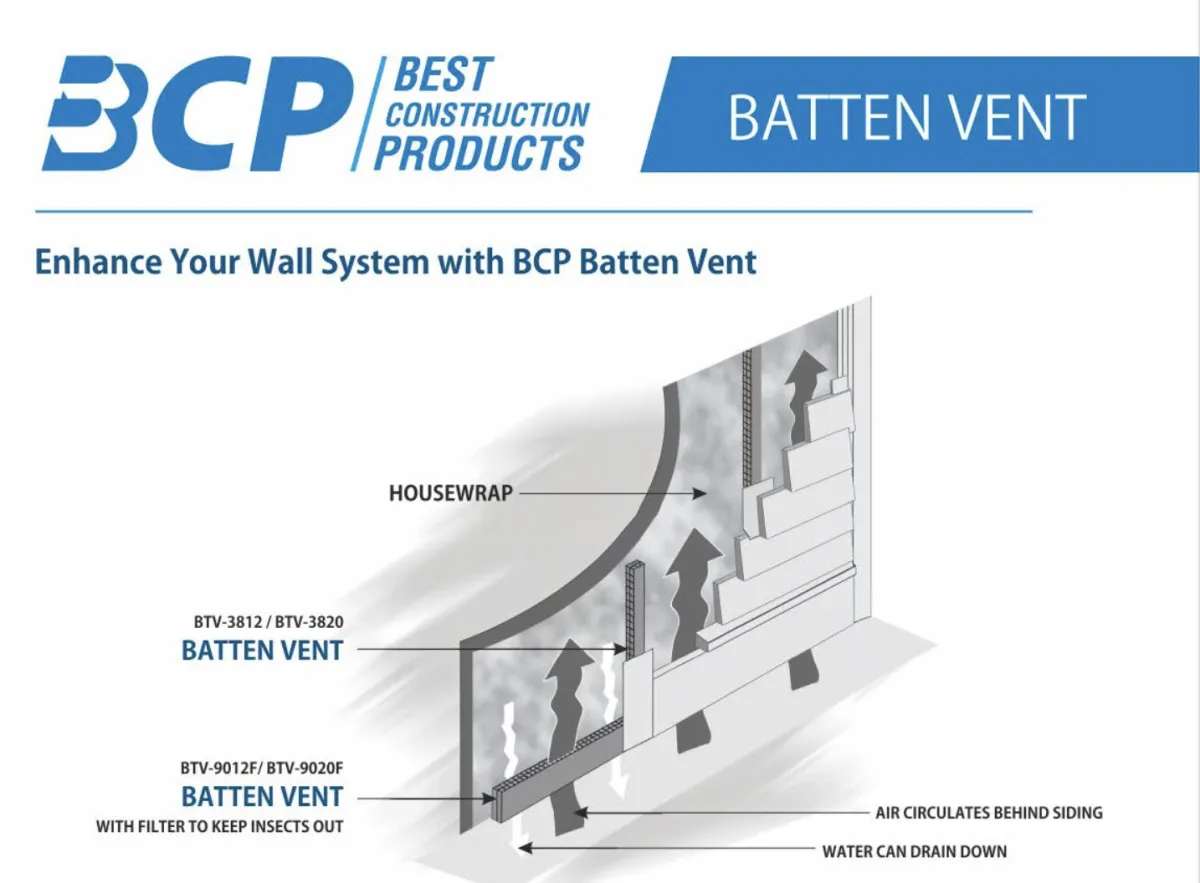
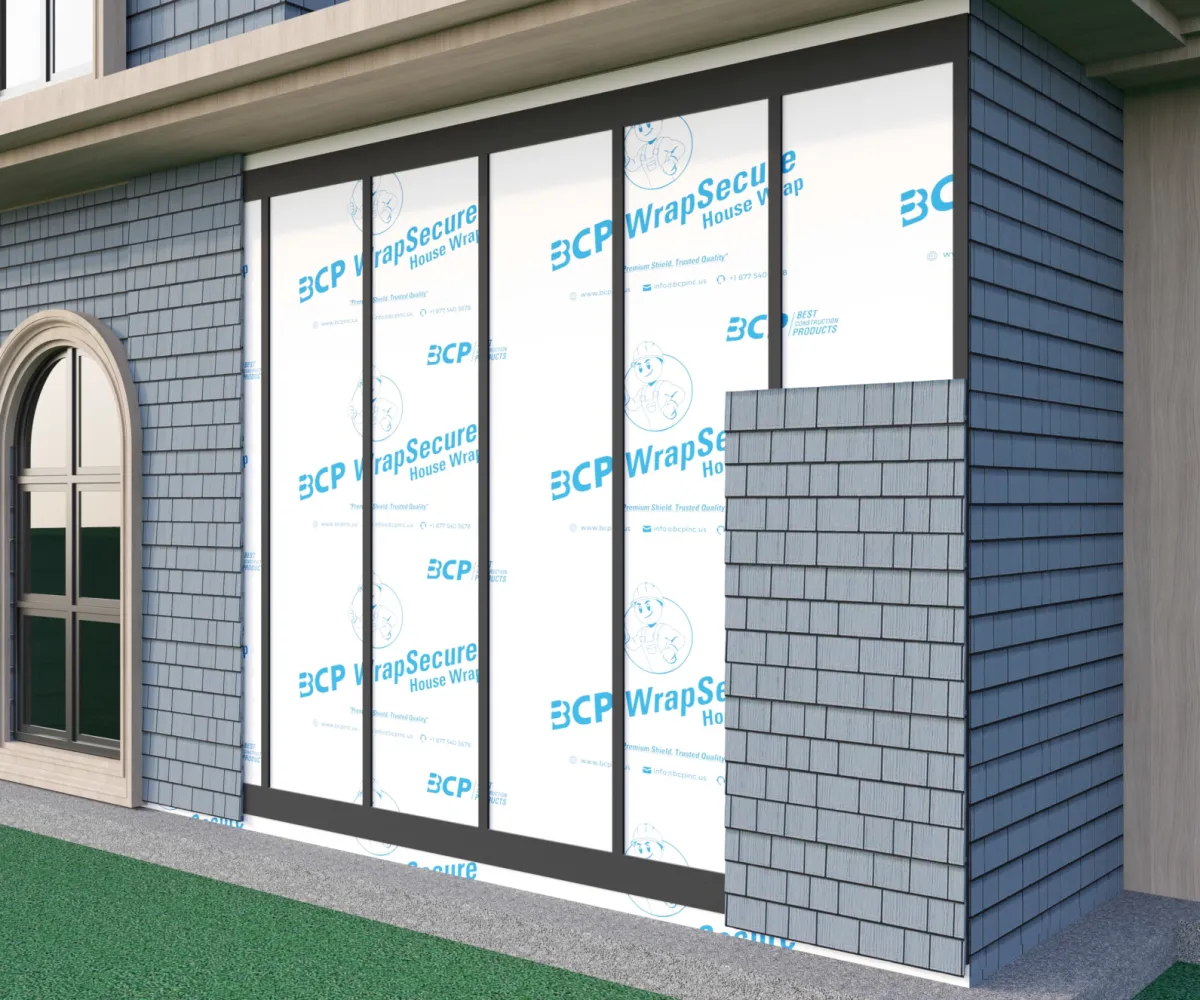
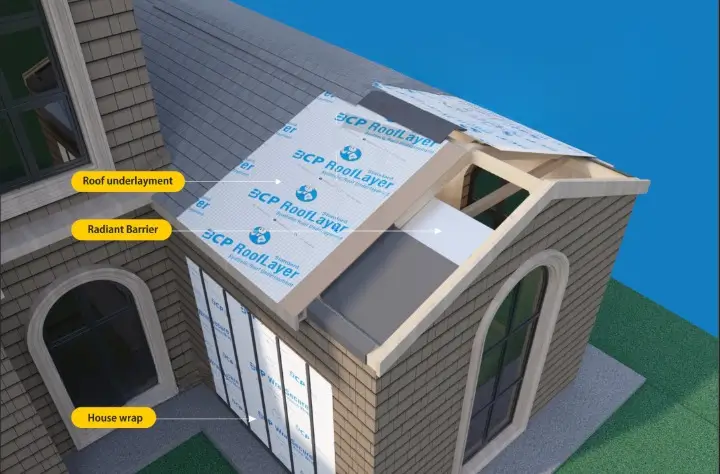
What is the difference between synthetic underlayment and house wrap? Synthetic underlayment goes on the roof deck under the roofing material. House wrap goes on the wall sheathing under the siding. Both are moisture barriers made from similar synthetic materials, but they are designed for different parts of the building envelope. Your home needs both for full protection.

Make the Switch That Pays for Itself

Synthetic underlayment is not a trend. It is the new standard for roofing. It installs faster, performs better, lasts longer, and keeps your warranty intact. The contractors who switched years ago are not going back, and the ones still using felt are leaving performance and money on the table.

At BCP Inc., our RoofLayer synthetic underlayment line is built for the real world. Every product is designed to handle the conditions that cheap materials cannot, giving your roof a foundation that performs for decades.

Ready to make the switch? Call us at 877-540-5678 or visit bcpinc.us/roof-underlayment to compare our Eco, Standard, and Premium options and request a quote.

Back to Blog