Synthetic Roofing Underlayment: Why It Beats Felt
Synthetic Roofing Underlayment: What It Is and Why It Outperforms Felt on Every Roof
The roofing industry has gone through a quiet revolution over the past decade. One of the biggest changes has nothing to do with shingles, tiles, or metal panels. It is happening one layer below, on the roof deck itself.
Synthetic roofing underlayment has replaced traditional felt paper on the majority of new roofing projects across the country. Contractors prefer it. Building codes increasingly require it. Shingle manufacturers recommend it for warranty coverage. And the performance gap between synthetic and felt is not even close.
If you are planning a roofing project, working as a contractor, or simply trying to understand what should go under your roofing material, this guide explains what synthetic roofing underlayment is, how it is made, why it outperforms felt in every measurable category, and how to choose the right product for your specific project.
What Is Synthetic Roofing Underlayment?
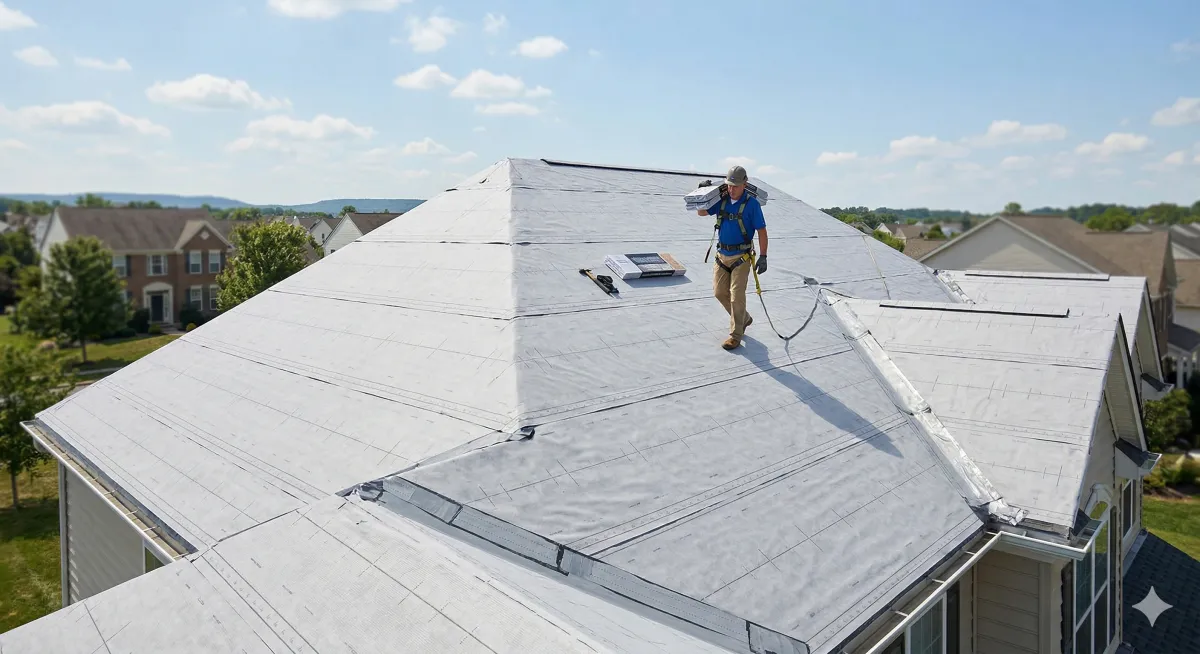
Synthetic roofing underlayment is a protective barrier material installed directly on the roof deck before the primary roofing material (shingles, metal, tile, or slate) goes on top. It is made from engineered polypropylene or polyethylene polymers that are woven or spun into a strong, lightweight fabric and then coated with additional polymers for water resistance and UV protection.
The underlayment serves as the roof's secondary line of defense. Your shingles or metal panels handle the direct weather exposure. The underlayment catches everything that gets past them: wind driven rain, water from ice dams, moisture from cracked or lifted shingles, and condensation that forms under certain roofing materials.
Unlike traditional asphalt saturated felt (tar paper), synthetic roofing underlayment contains no organic materials. It does not absorb water, does not rot, does not support mold growth, and does not break down under UV exposure the way organic materials do. This fundamental difference in composition is what drives every performance advantage synthetic has over felt.
Every roof needs underlayment. Building codes require it. Roofing manufacturers require it for warranty coverage. And the choice between synthetic and felt affects how well your roof performs for the next 25 to 40 years.
How Synthetic Roofing Underlayment Is Made
Understanding how the product is manufactured helps explain why it performs the way it does.
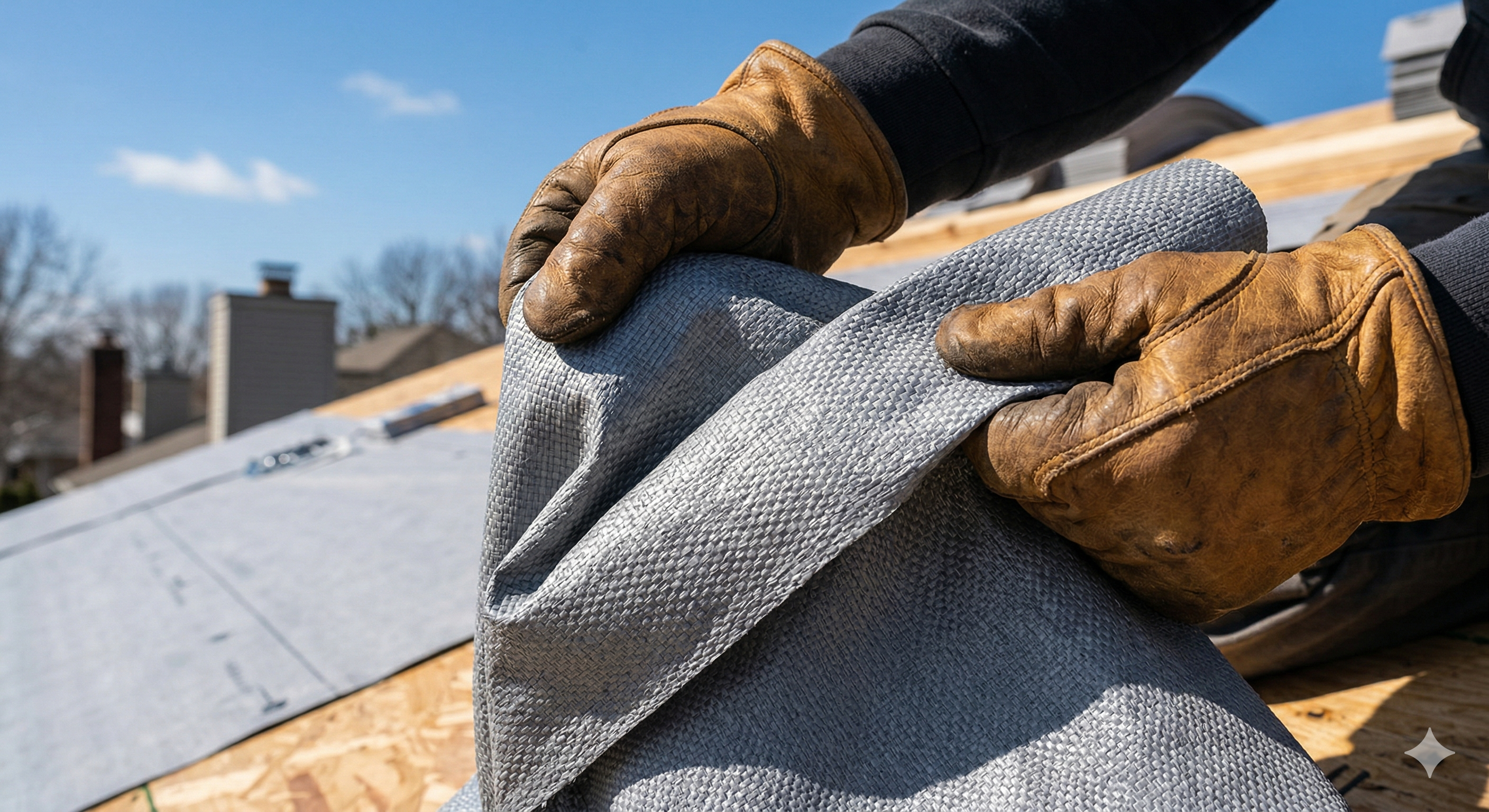
The process starts with polypropylene or polyethylene resin, which is melted and extruded into fine fibers. These fibers are either woven together on high speed looms (creating woven synthetic underlayment) or spun and bonded together using heat and pressure (creating spun bond synthetic underlayment).
The resulting fabric is then coated on one or both sides with additional polymer layers that provide water resistance, UV inhibitors, and in some cases, anti-slip texture for worker safety on the roof surface.
The manufacturing process can be adjusted to produce different grades of underlayment. Economy products use lighter weight fabrics with thinner coatings. Premium products use heavier fabrics with thicker coatings, higher UV inhibitor concentrations, and enhanced surface textures for better traction on steep slopes.
This engineering flexibility is why you can find synthetic roofing underlayment products ranging from budget friendly options that compete with felt on price all the way up to high performance products designed for metal roofing, extreme climates, and projects with extended construction timelines.
Why Synthetic Outperforms Felt in Every Category
The comparison between synthetic roofing underlayment and traditional felt is not a close contest. Synthetic wins in every category that matters for long term roof performance. Here is the breakdown.
Water Resistance
Felt paper is made from organic fibers (paper or fiberglass) saturated with asphalt. When felt gets wet, it absorbs moisture. That absorbed water causes the material to swell, wrinkle, and lose its protective ability. Wrinkled felt creates an uneven surface under the shingles that can telegraph through thin roofing materials and affect the finished appearance of the roof.
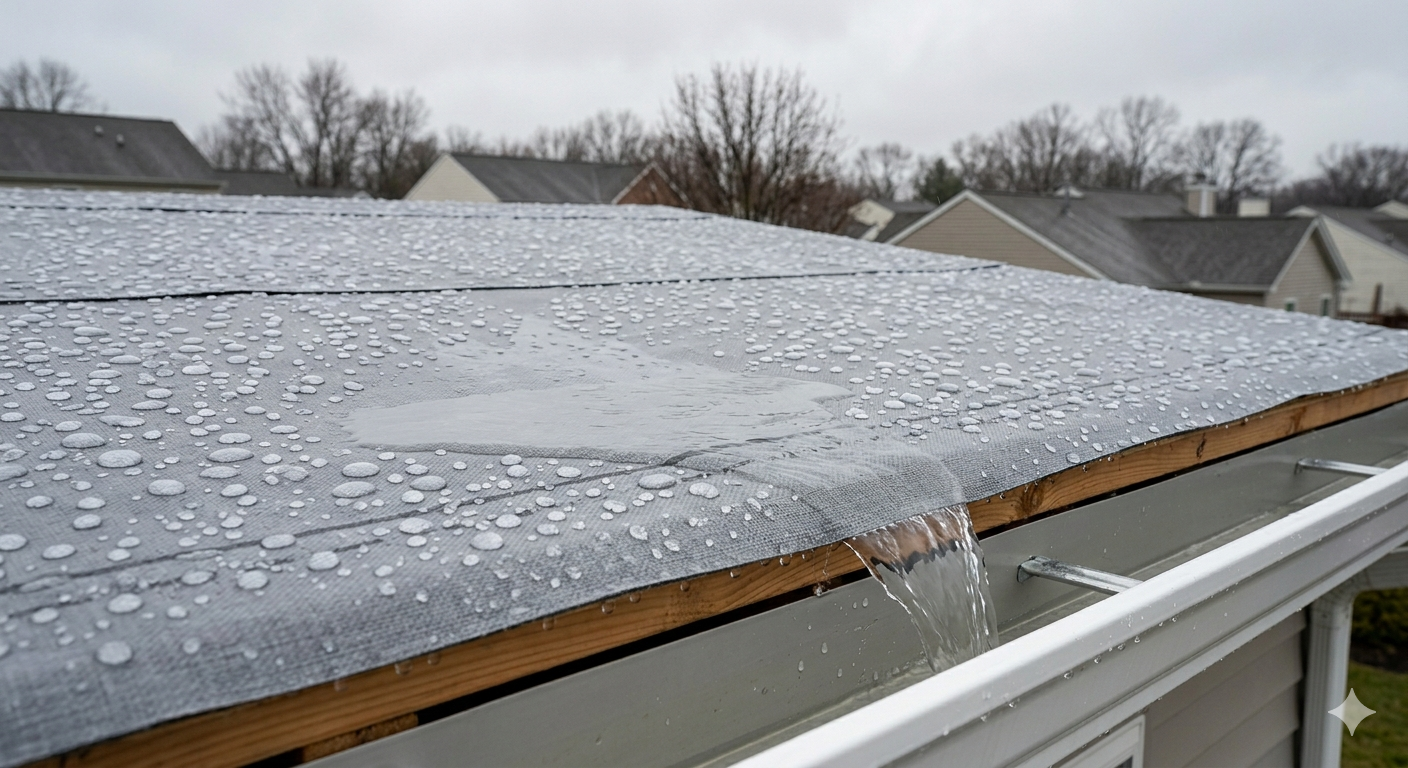
Synthetic roofing underlayment does not absorb water. Period. Rain hits the surface and runs off immediately. The material stays flat, dry, and fully functional no matter how many times it gets wet during the installation process. If a rainstorm hits your job site between the underlayment and shingle installation, your crew can get back to work as soon as the rain stops. With felt, they have to wait for the material to dry, which can take hours or even days in humid conditions.
Tear Strength
Felt tears easily. A hard boot step, a dropped tool, a strong wind gust, or the friction of sliding a shingle bundle across the surface can rip right through it. Every tear is a gap in the moisture barrier that will be permanently hidden once the shingles go on. On a busy roof with multiple workers, a felt covered deck can accumulate dozens of small tears throughout a single day of installation.
Synthetic is engineered for tear resistance. The woven or spun bond polymer fabric holds together under foot traffic, tool drops, shingle dragging, and wind. Contractors call this "use after abuse" quality because the underlayment still performs as designed even after taking a full day of rough handling during installation.
UV Tolerance
Felt degrades rapidly in direct sunlight. The asphalt coating dries out, becomes brittle, and starts to crack. Most felt products should be covered with roofing material within a few days of installation. If your project gets delayed by weather, material shortages, or scheduling issues, exposed felt is actively losing its protective ability every day it sits in the sun.
Synthetic roofing underlayment is manufactured with UV inhibitors built into the polymer coating. Depending on the product grade, synthetic can handle 60 to 180 days of direct UV exposure without significant degradation. This flexibility is invaluable during busy roofing season when delays between underlayment and shingle installation are common.
Weight and Coverage
A roll of 30 pound felt covers approximately 200 square feet and weighs around 60 pounds. A roll of synthetic covers 400 to 1,000 square feet and weighs 25 to 45 pounds depending on the product.
The math is simple: fewer rolls to buy, fewer rolls to carry up the ladder, fewer seams to tape, and faster coverage of the roof deck. On a 2,000 square foot residential roof, the difference between felt and synthetic can mean 5 to 8 fewer rolls to handle and 30 to 60 minutes of saved installation time.
Lifespan
Felt underlayment lasts 10 to 20 years under roofing material before it begins to deteriorate. The organic fibers break down over time, the asphalt dries out, and the material becomes brittle and crumbly. This means on a roof that should last 25 to 30 years, the underlayment fails first, leaving the deck unprotected for the final decade or more of the roof's life.
Synthetic roofing underlayment lasts 25 to 40 years. It does not contain organic materials that rot or asphalt that dries out. The polymer fabric maintains its integrity for the full lifespan of most roofing materials, meaning the underlayment and the roofing material above it age out together instead of the underlayment failing first.
Safety
Most synthetic roofing underlayment products feature a textured or coated surface that provides better traction than felt. On steep roofs (8:12 pitch and above), the difference in footing between felt and synthetic is immediately noticeable. Workers feel more stable, move more confidently, and are less likely to slip. This is a genuine safety advantage that reduces fall risk on every project.
For a detailed head to head comparison with specific data points, check our synthetic vs. felt comparison guide.
Real World Performance: What Happens on the Job Site
Numbers and spec sheets tell part of the story. Here is what actually happens when contractors use synthetic roofing underlayment on real projects.
Morning rain delay. A crew installs underlayment on day one and plans to start shingles on day two. Overnight rain soaks the roof. With felt, the crew arrives to find wrinkled, waterlogged underlayment that needs hours to dry before work can continue. With synthetic, the surface is wet but the material is flat and undamaged. The crew wipes off the standing water and starts shingling within minutes.
Wind during installation. A gust catches an unsecured section of underlayment. With felt, the wind rips the material off the deck, tearing it at the fastener points. The crew has to remove the damaged section and install new felt, wasting material and time. With synthetic, the material flexes in the wind without tearing. The crew fastens it down once the gust passes and keeps working.
Extended exposure. A shingle delivery gets delayed by two weeks. The deck sits exposed to sun and weather. With felt, the material is noticeably degraded by the time the shingles arrive. The UV has dried out the asphalt and the edges are curling. The crew either installs shingles over compromised felt or tears it off and starts over. With synthetic, two weeks of exposure is nothing. The UV inhibitors keep the material fully functional and the shingles go on over an undamaged surface.
Project completion. Six months after the roof is finished, the homeowner notices a small leak in a valley during a heavy storm. The roofer lifts a few shingles to inspect. Under the shingles, the felt underlayment has already started to break down around the nail penetrations. Under synthetic, the material is still as strong and intact as the day it was installed.
These are not hypothetical scenarios. They happen on job sites every day, and they are the reason contractors who switch to synthetic do not go back.
Synthetic Roofing Underlayment and Building Codes
Building codes are catching up with what the industry already knows.
The International Residential Code (IRC) requires roof underlayment on all asphalt shingle roofs. While the code does not specifically mandate synthetic over felt, the trend is moving strongly in that direction. Many local building departments now recommend synthetic, and some have begun requiring it in specific applications.
More importantly, major shingle manufacturers including Owens Corning and GAF now recommend or require synthetic roofing underlayment for their warranty coverage to remain valid. If you install felt under shingles from a manufacturer that specifies synthetic, you could void the warranty entirely. That is a significant financial risk on a roofing investment that costs $10,000 to $25,000 or more.
In cold climates, building codes also require ice and water shield at the eaves and in valleys. This fully waterproof membrane works alongside synthetic roofing underlayment to create a complete protection system: ice and water shield in the high risk areas, synthetic across the rest of the deck.
How to Choose the Right Synthetic Roofing Underlayment
Not all synthetic products are the same. Here is what to consider when selecting the right one for your project.
Match it to your roofing material. Standard synthetic works for asphalt shingles. Metal roofs need products with higher temperature ratings (220 degrees Fahrenheit minimum, 240+ preferred). Tile and slate need premium grade products with extra tear strength to handle the weight of those materials during installation.
Match it to your climate. Hot climates need strong UV resistance. Cold climates need the underlayment paired with ice and water shield at the eaves. Wet climates need maximum water resistance. Our climate selection guide walks through the best product for each region.
Match it to your timeline. If your project moves quickly and shingles go on within days, economy grade is fine. If there could be weeks of exposure, choose a product with a longer UV rating.
Match it to your budget. At BCP Inc., we offer three grades designed for different projects and budgets:
RoofLayer Eco is our economy grade for budget conscious residential work. It delivers all the core benefits of synthetic (water resistance, tear strength, UV protection) at a price point that makes the switch from felt affordable on any project.
RoofLayer Standard is our most popular product. It offers improved performance across every spec compared to economy products and is the go to choice for most residential and light commercial roofing contractors.
RoofLayer Premium is built for demanding conditions. It has the highest tear strength, longest UV rating, and best water resistance in our lineup. It is the right choice for metal roofing, steep slopes, extreme climates, and any project where maximum performance matters.
Frequently Asked Questions
Is synthetic roofing underlayment waterproof? Synthetic underlayment is highly water resistant and sheds rain on contact. It is not a fully sealed membrane like ice and water shield. For areas where water can pool or back up (eaves, valleys, low slopes), peel and stick ice and water shield provides fully waterproof protection. Most roofs use both products together.
How much does synthetic roofing underlayment cost compared to felt? Per roll, synthetic costs more ($50 to $130 vs. $20 to $30 for felt). Per square foot of coverage, synthetic is often comparable because each roll covers 2 to 5 times more area. When you factor in faster installation and fewer callbacks, synthetic typically costs less on the total project.
Can synthetic roofing underlayment be left exposed? Yes, for a limited time. Economy grades handle 30 to 90 days. Standard and premium grades handle 90 to 180 days depending on the product. Always check the specific UV rating for the product you are using and plan your installation timeline accordingly.
Does synthetic roofing underlayment work with all roofing materials? Yes. Synthetic works under asphalt shingles, metal roofing, tile, slate, and cedar shakes. Always verify compatibility with the specific roofing material manufacturer's installation requirements.
Will my shingle warranty be voided if I use felt instead of synthetic? It can be. Several major shingle manufacturers now require synthetic for full warranty coverage. Check the shingle manufacturer's installation guidelines before purchasing underlayment. The cost difference between felt and synthetic is small compared to the value of a valid warranty on a $15,000 to $25,000 roof.
What is the difference between synthetic roofing underlayment and house wrap? Both are made from similar synthetic polymer materials, but they serve different parts of the building. Roofing underlayment goes on the roof deck under the roofing material. House wrap goes on the wall sheathing under the siding. Your building needs both for complete moisture and air protection.
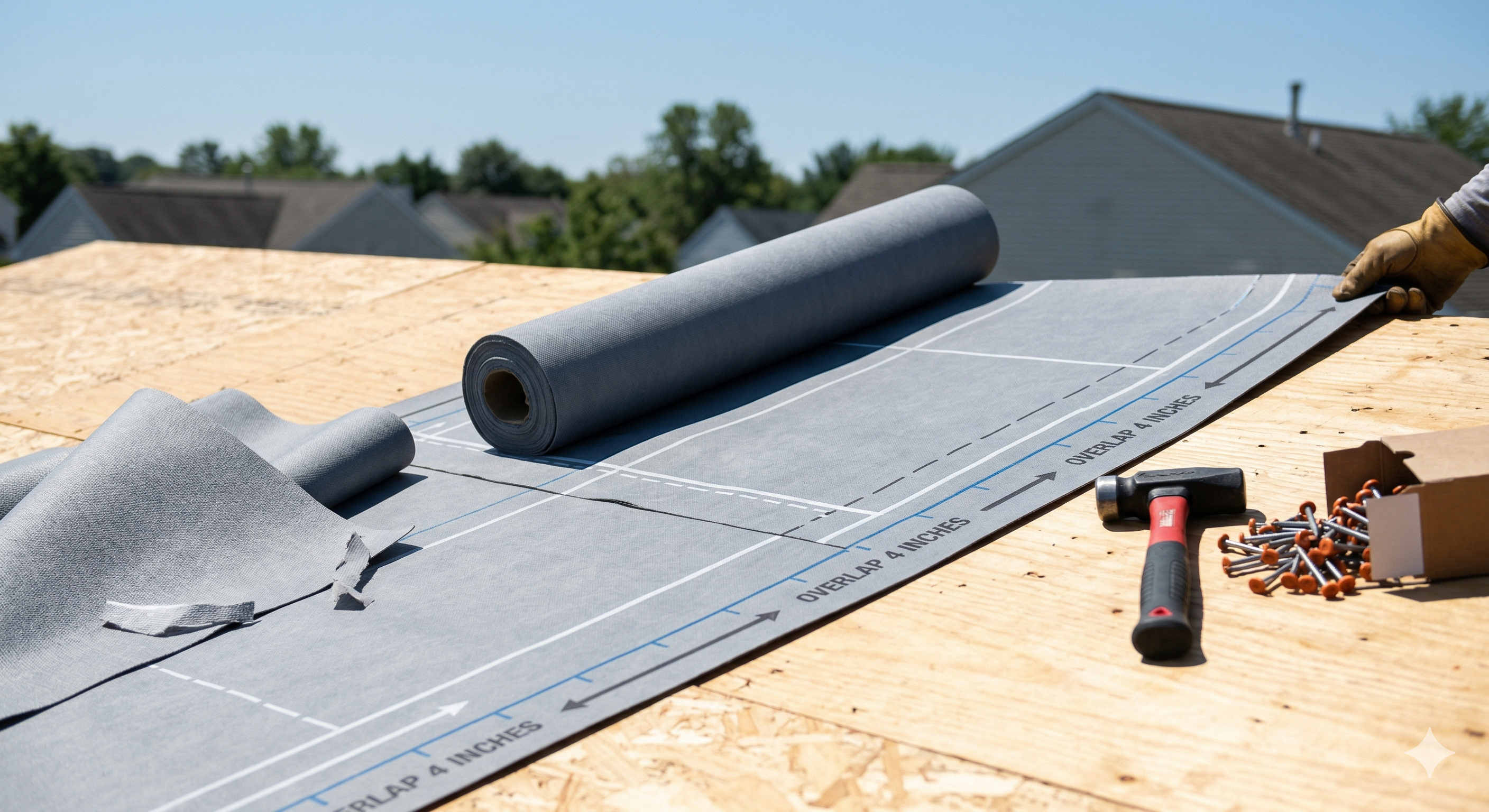
How is synthetic roofing underlayment installed? Start at the eave and roll out horizontally. Overlap each row by at least 4 inches. Fasten with cap nails or cap staples every 12 to 18 inches. Tape all seams with manufacturer approved tape. For detailed installation steps, see our roof underlayment installation guide.
The Standard Has Changed. Has Your Roof Kept Up?
Synthetic roofing underlayment is not the future of roofing. It is the present. The majority of new roofs being installed today use synthetic, and the reasons are clear: it performs better, lasts longer, installs faster, and protects both the roof and the warranty that covers it.
If your next roofing project still specifies felt, it is time to reconsider. The cost difference is minimal. The performance difference is not.
At BCP Inc., our RoofLayer synthetic roofing underlayment is built for the way roofing actually works: tough job sites, unpredictable weather, and the expectation that the product under the shingles will last as long as the shingles themselves.
Ready to upgrade your roof's foundation? Call us at 877-540-5678 or visit bcpinc.us/roof-underlayment to compare our Eco, Standard, and Premium options and request a quote.
